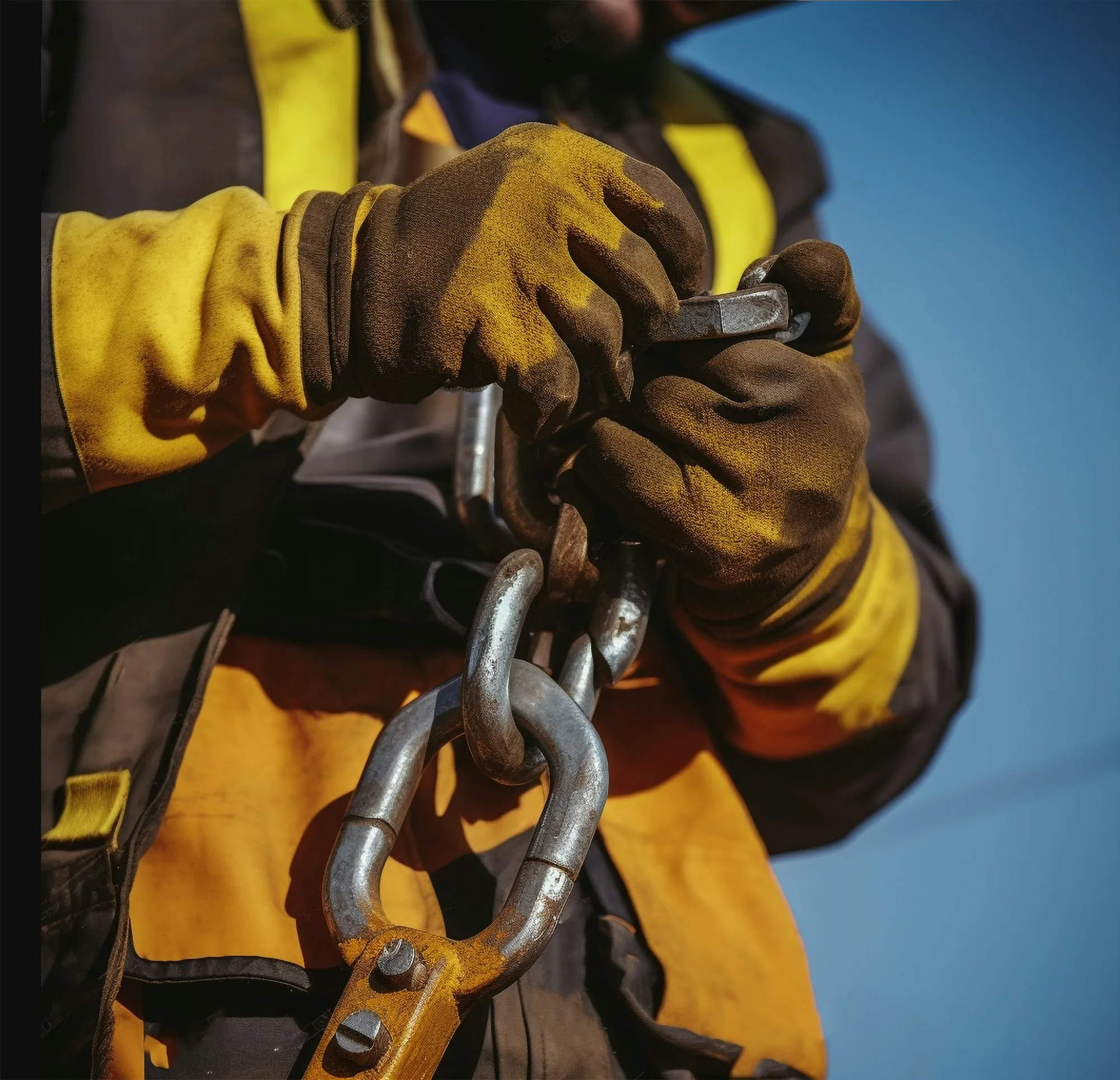
Product groups
- Personal Protective Equipment76 products · 9 ranges
- Fire Fighting & Fire Protection53 products · 6 ranges
- Gas Detection & Environmental34 products · 4 ranges
- Emergency & Rescue23 products · 3 ranges
- Site Safety & Industrial Supplies37 products · 5 ranges
9 ranges
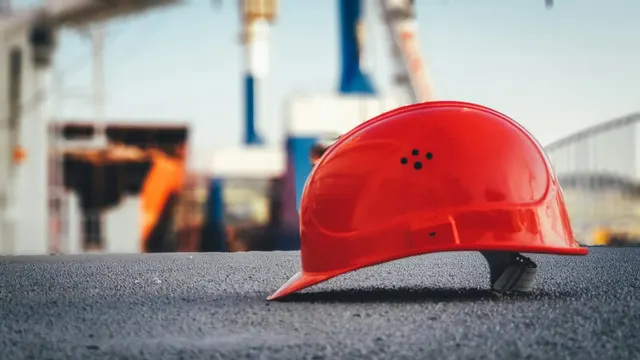
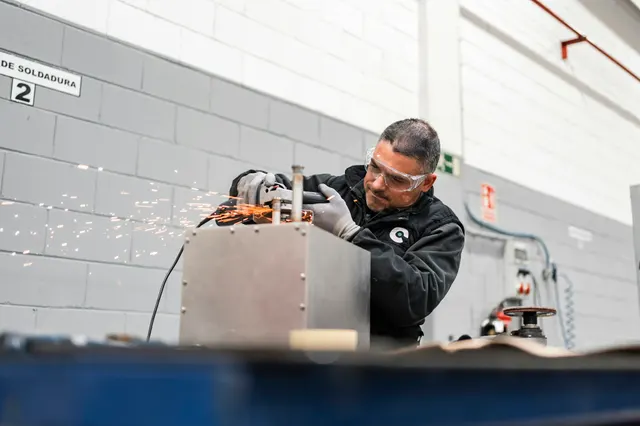
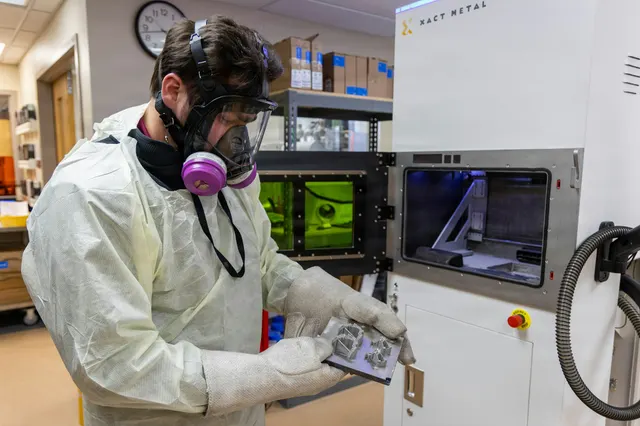
Personal Protective Equipment
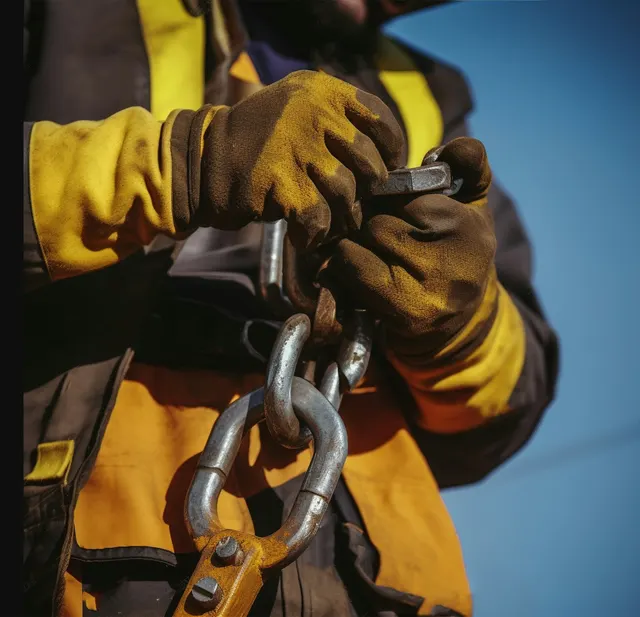
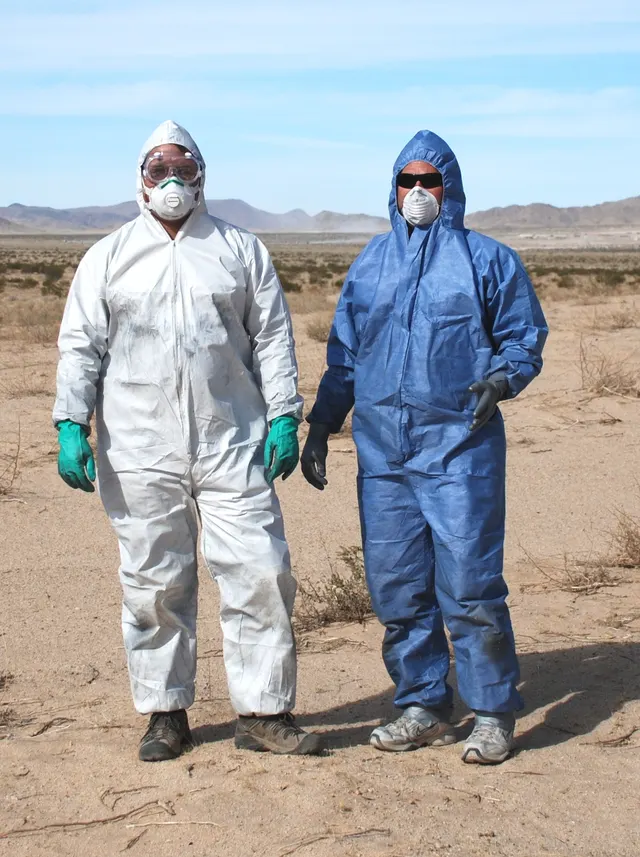
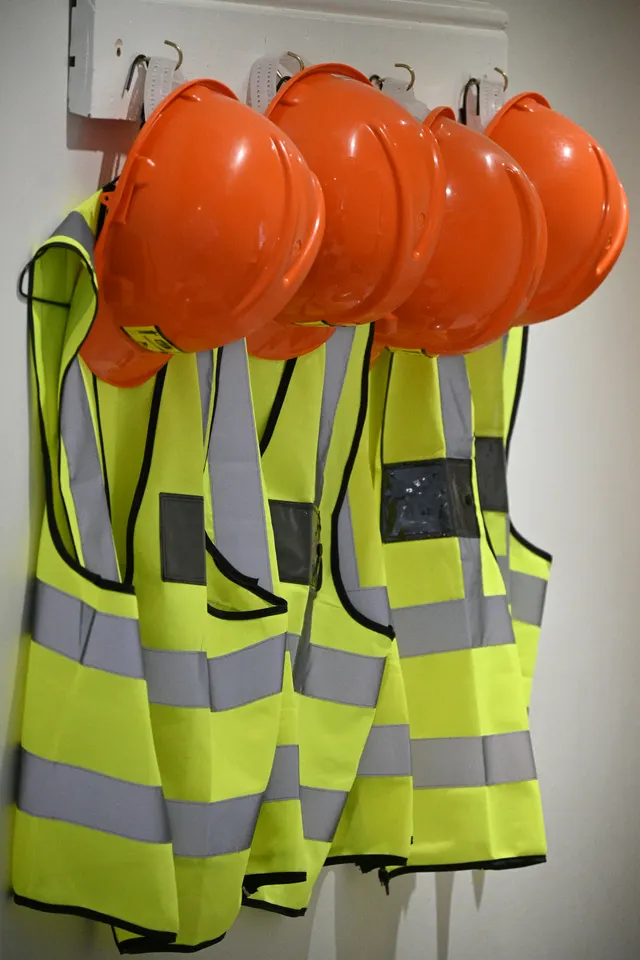
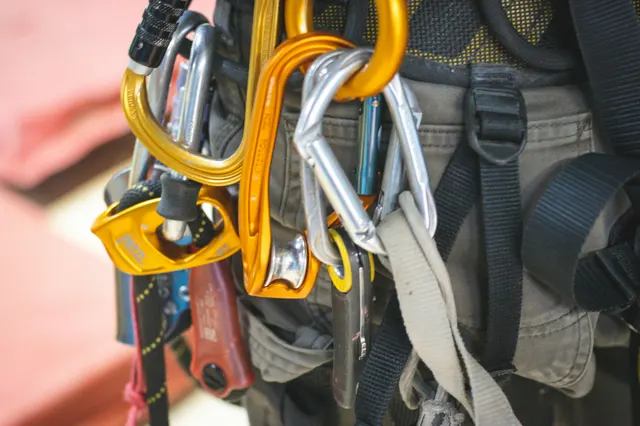
Head-to-toe protection specified to EN and ANSI/ISEA standards for industrial, construction and energy sites.


Have a full list or a BOM?
Send it in one RFQ — we quote every line with datasheets and compliance documents.
Submit an RFQServices
One partner, end to end
- Safety Equipment & PPE SupplyHead-to-toe PPE specified for the hazard, sized for your workforce and delivered with full documentation.
- Fire Fighting & Fire ProtectionExtinguishers, hose reels, detection and alarm, suppression components and emergency lighting for every type of facility.
- HSE Training & Workplace SafetyInduction, awareness and competence courses that change behaviour on site — delivered in English or Arabic.
- Emergency Response & Specialised TrainingFire, first aid, work-at-height, confined-space and chemical response training — clearly marked practical or awareness.
- Industrial Safety & Environmental EquipmentGas detection, emergency showers, spill control, barriers, signage and hazardous-material storage.
- Industrial Procurement & Supply ChainSourcing, RFQ and tender support, bulk procurement, import coordination and MRO supply.
- HSE Consulting, Audits & Compliance SupportInspections, risk assessments, HSE procedures, audit support, incident investigation and contractor safety.
- Inspection, Installation & MaintenancePPE and equipment inspection, extinguisher servicing, alarm installation, gas detector calibration coordination and replacement programmes.
HSE & emergency-response training
Practical and awareness courses delivered at your site or in the classroom, in English or Arabic.
View courses Talk to a specialist