

Personal Protective Equipment
Buying guide
Hand injuries are among the most common on industrial sites, and glove choice is a balance between protection, dexterity and grip. Choose gloves by the specific task, using the performance ratings of EN 388, EN ISO 374-1, EN 407 and other standards.
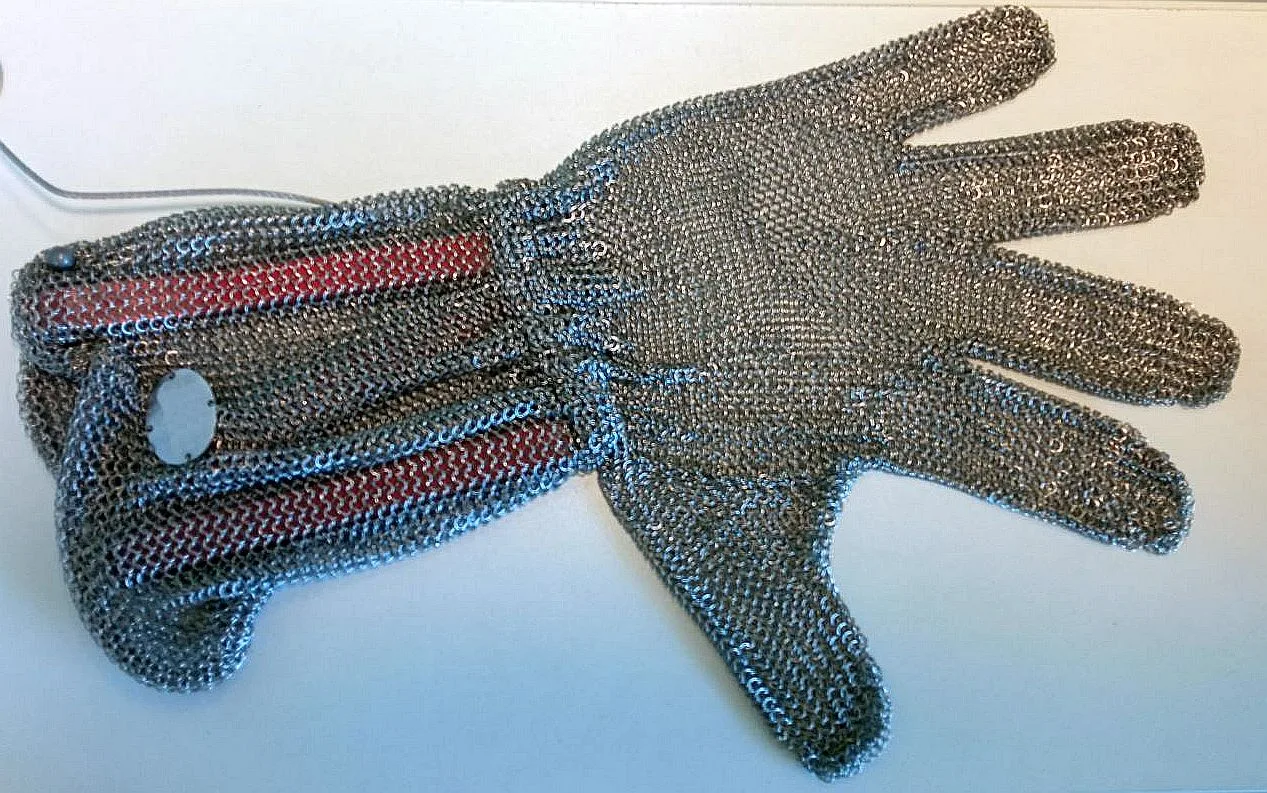
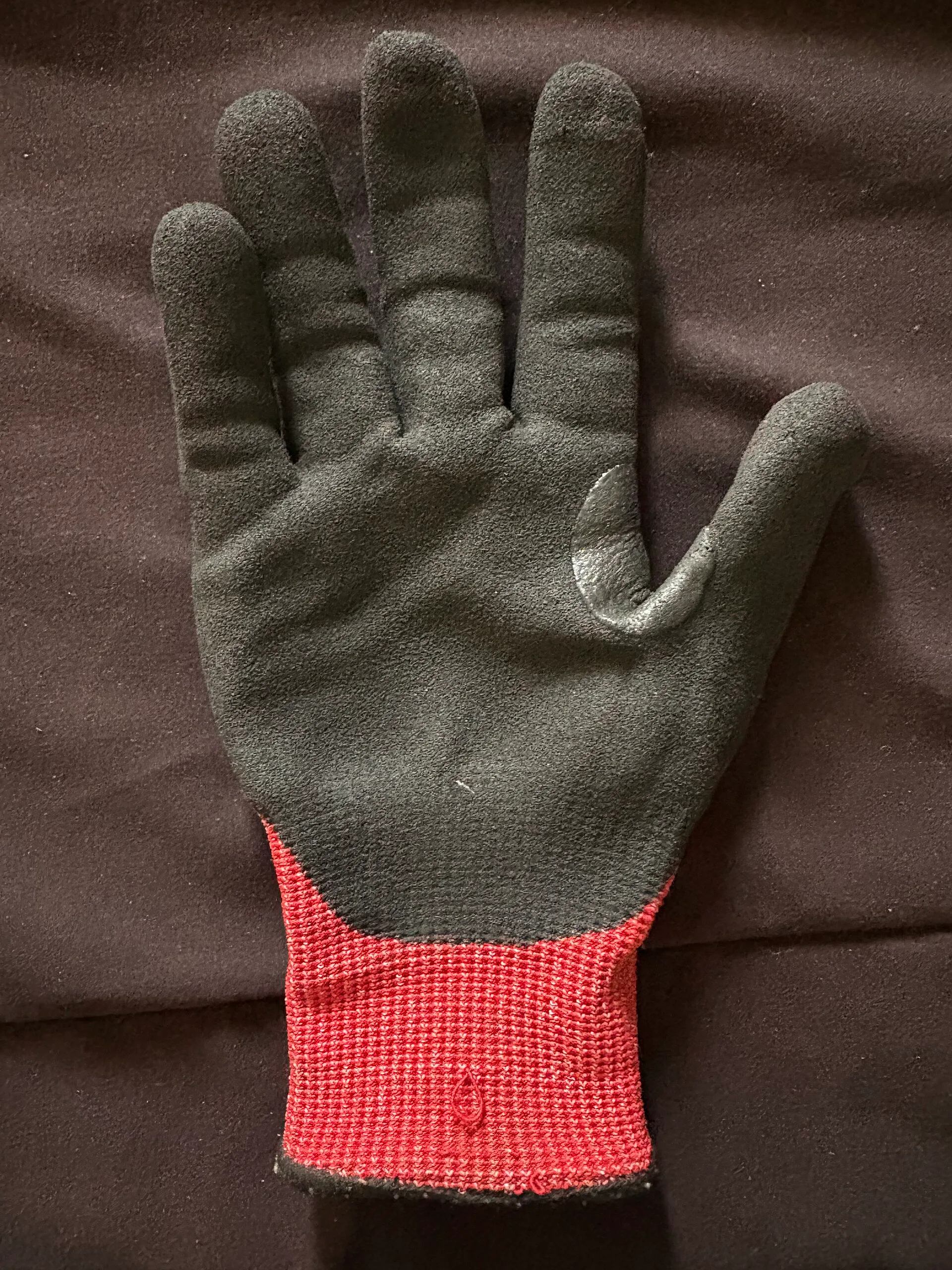
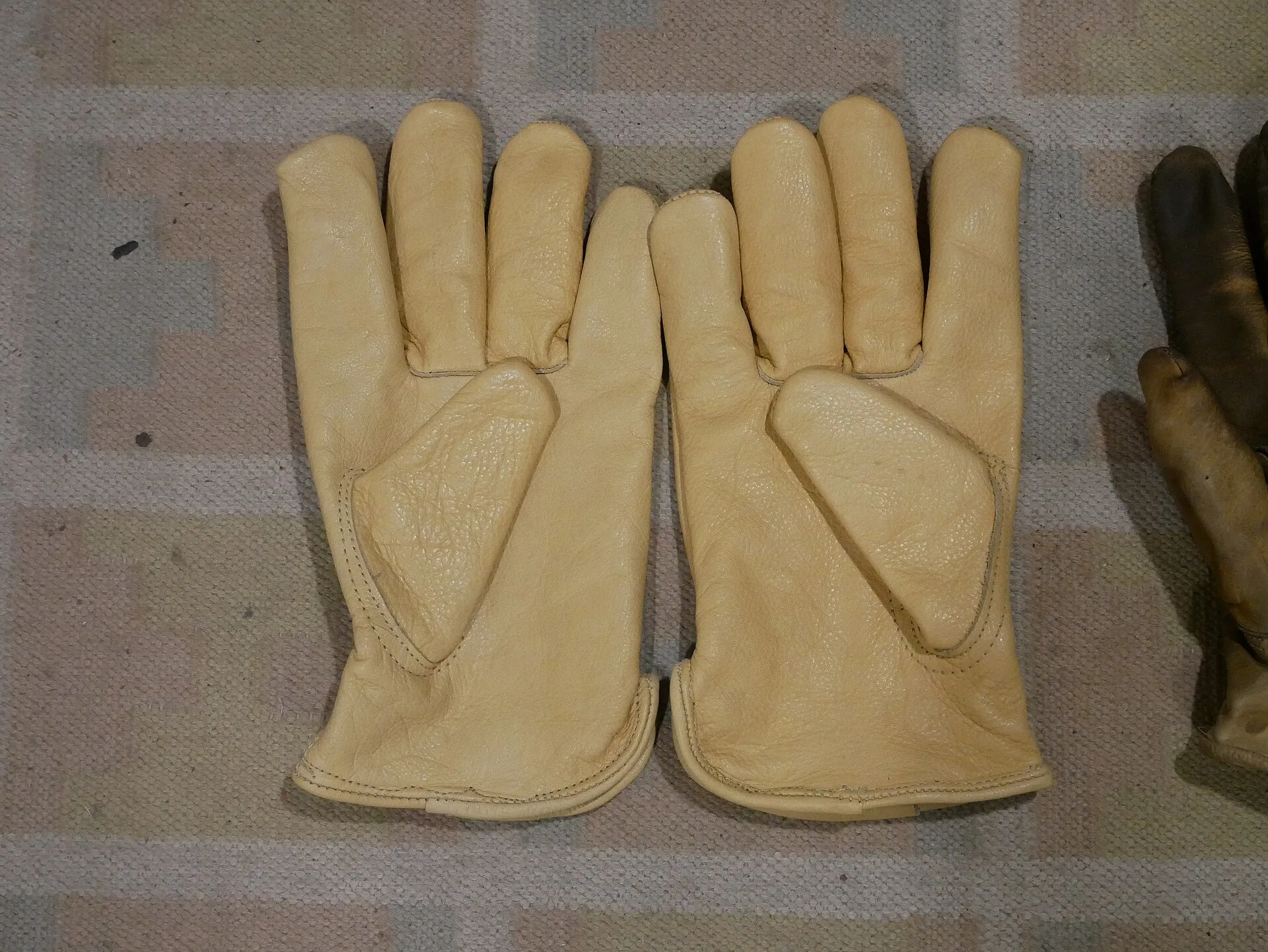
Read the EN 388 code: abrasion, cut, tear and puncture, then the ISO cut level A-F. Handling sheet metal or glass usually needs cut level C-E; general handling often needs only level A or B. ANSI/ISEA 105 A-levels are the US equivalent.
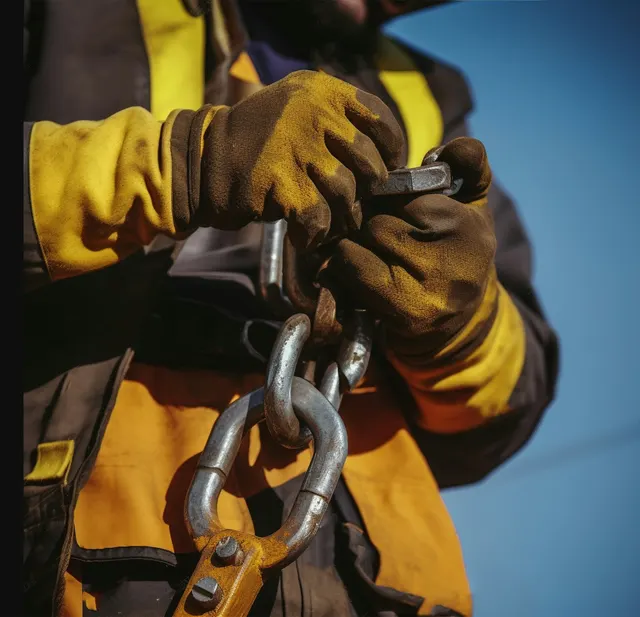
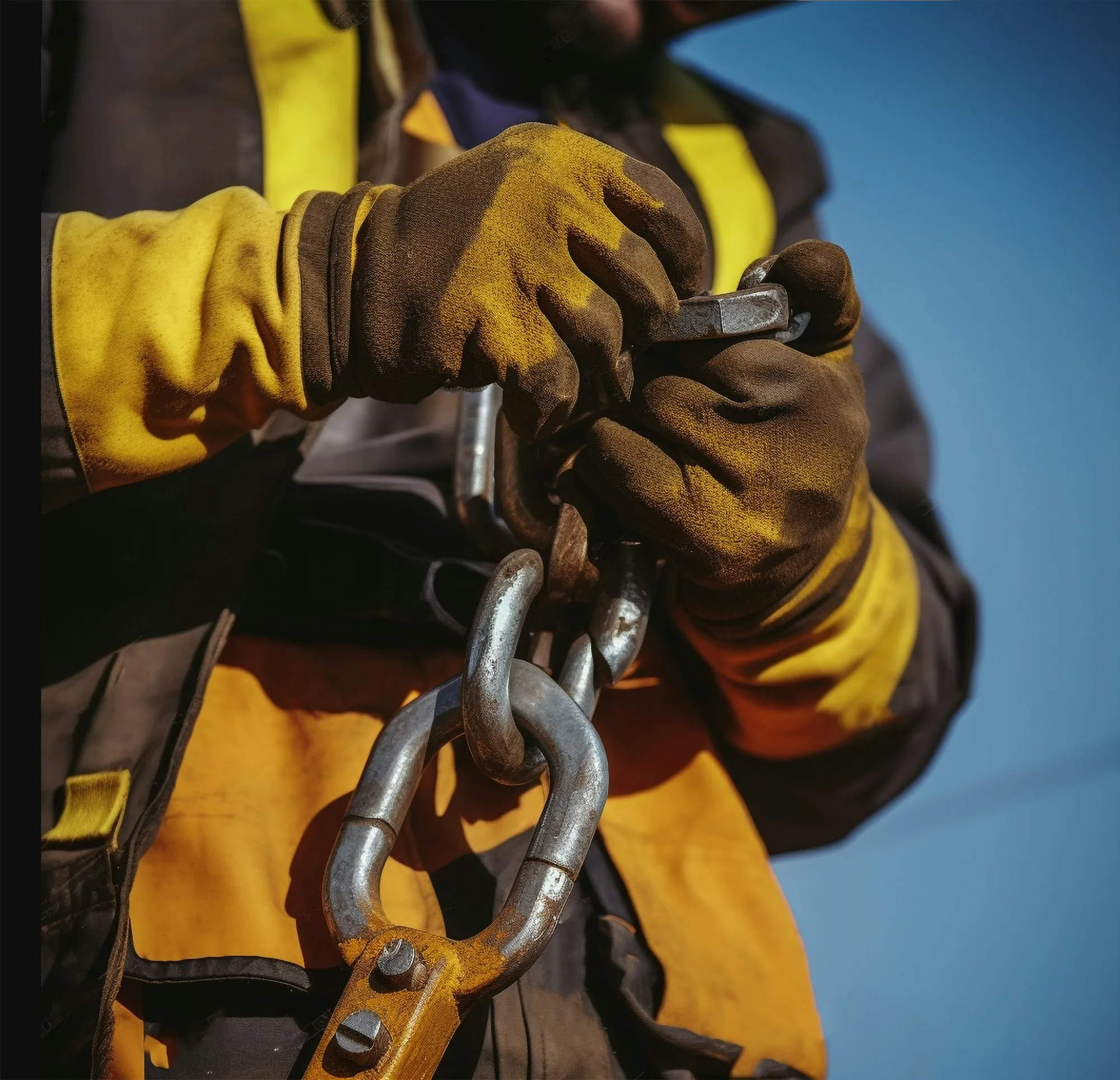
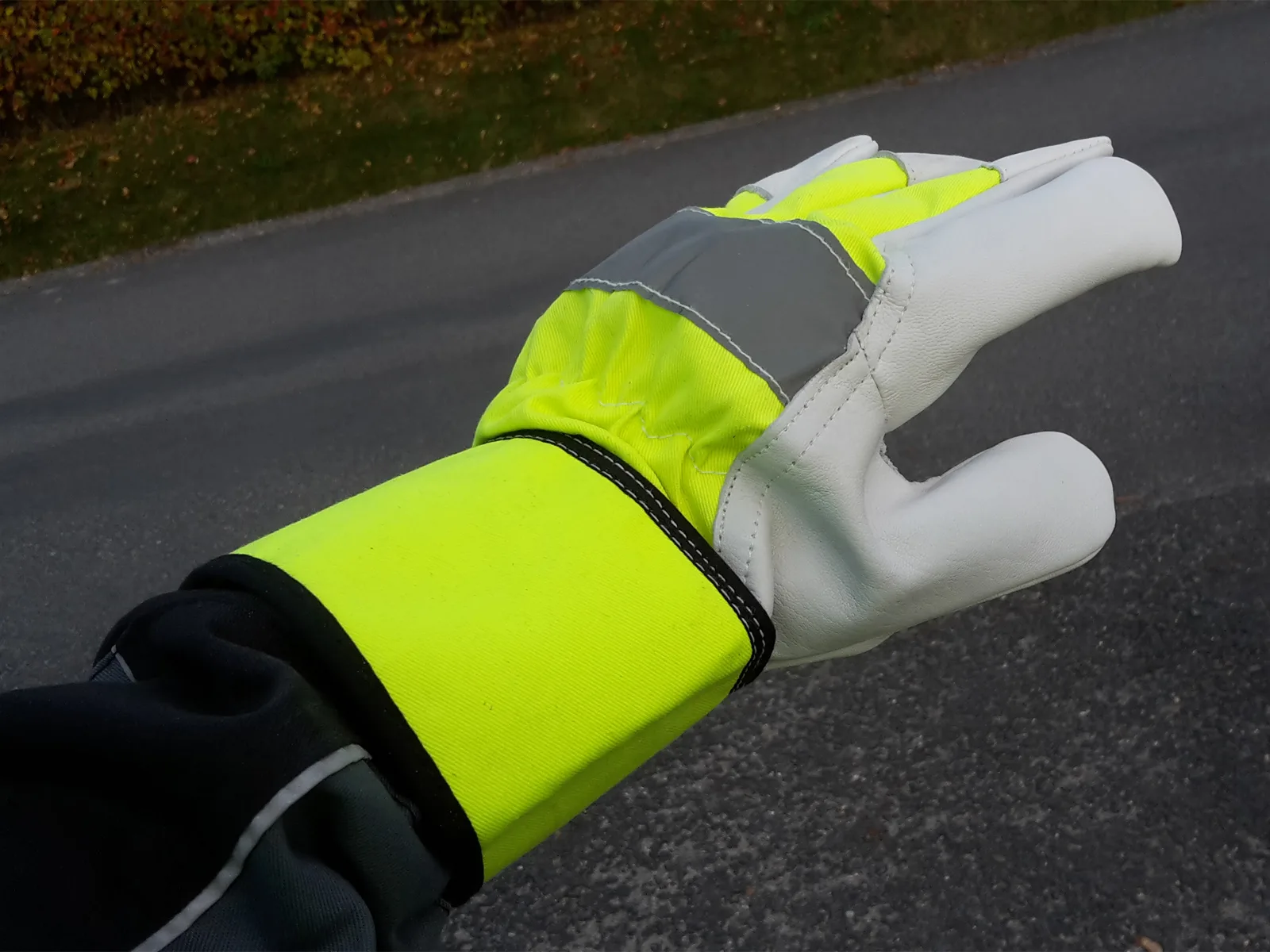
For rigging, drilling and pipe handling, specify impact gloves marked P under EN 388 or rated to ANSI/ISEA 138.
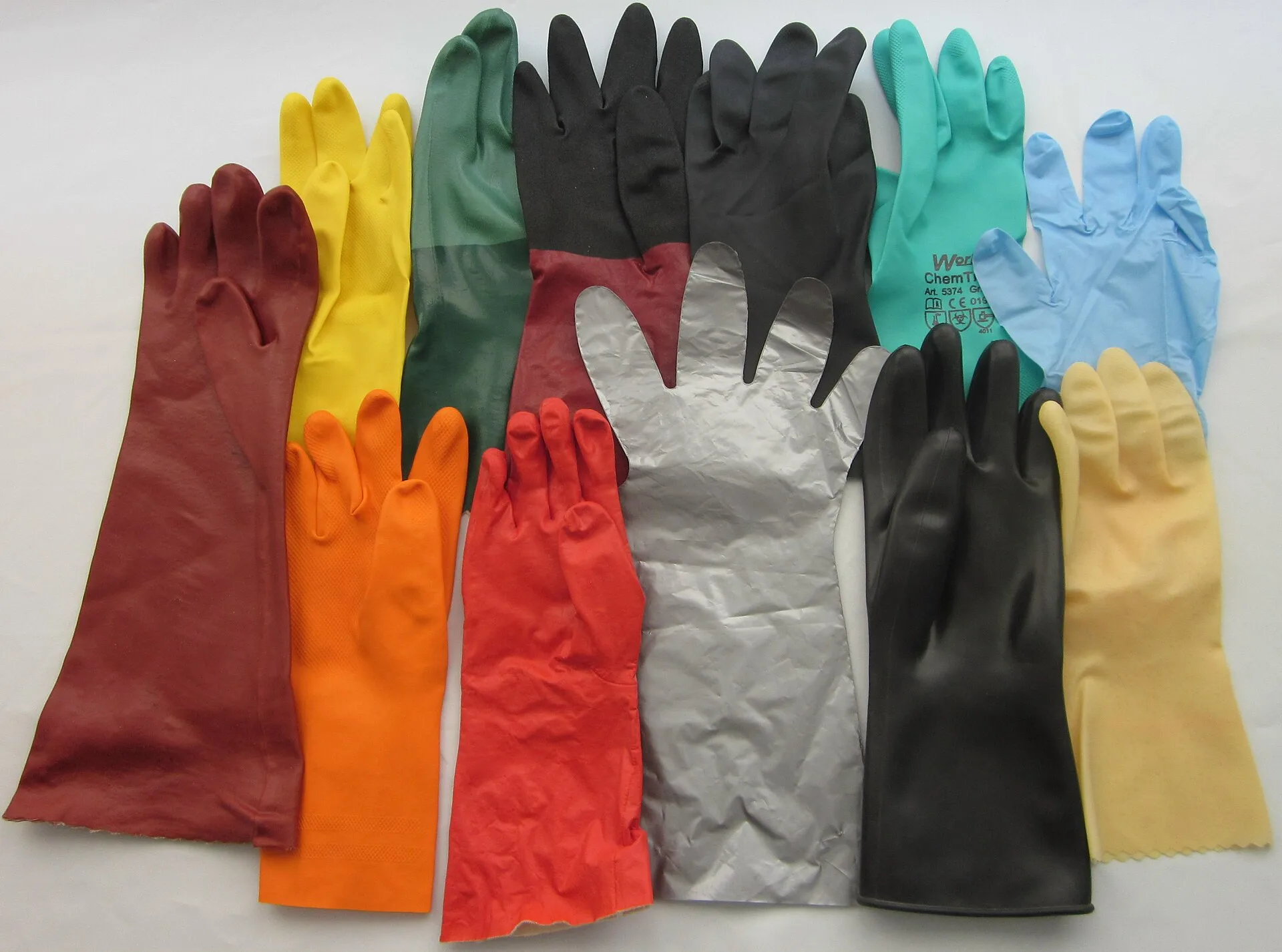
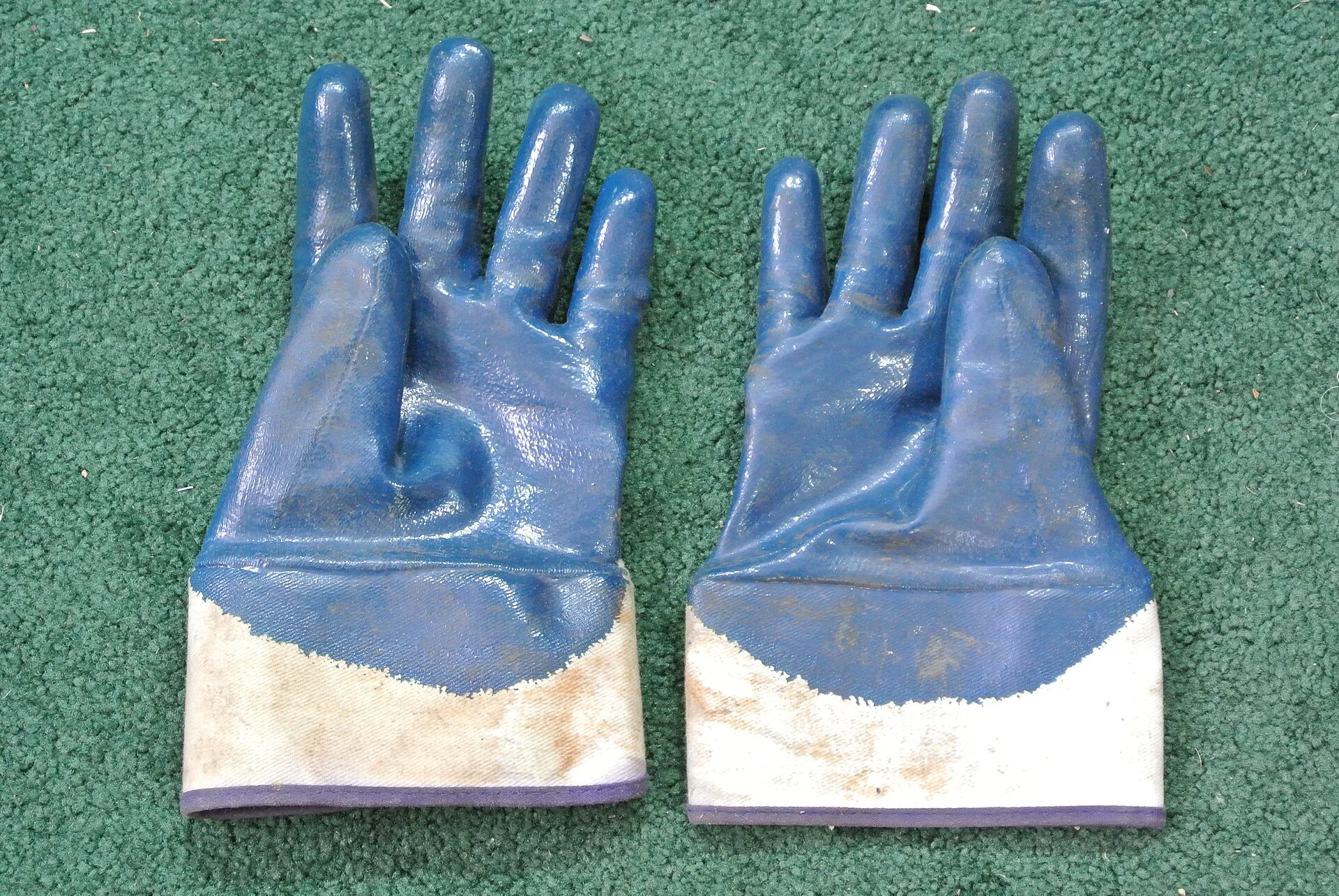
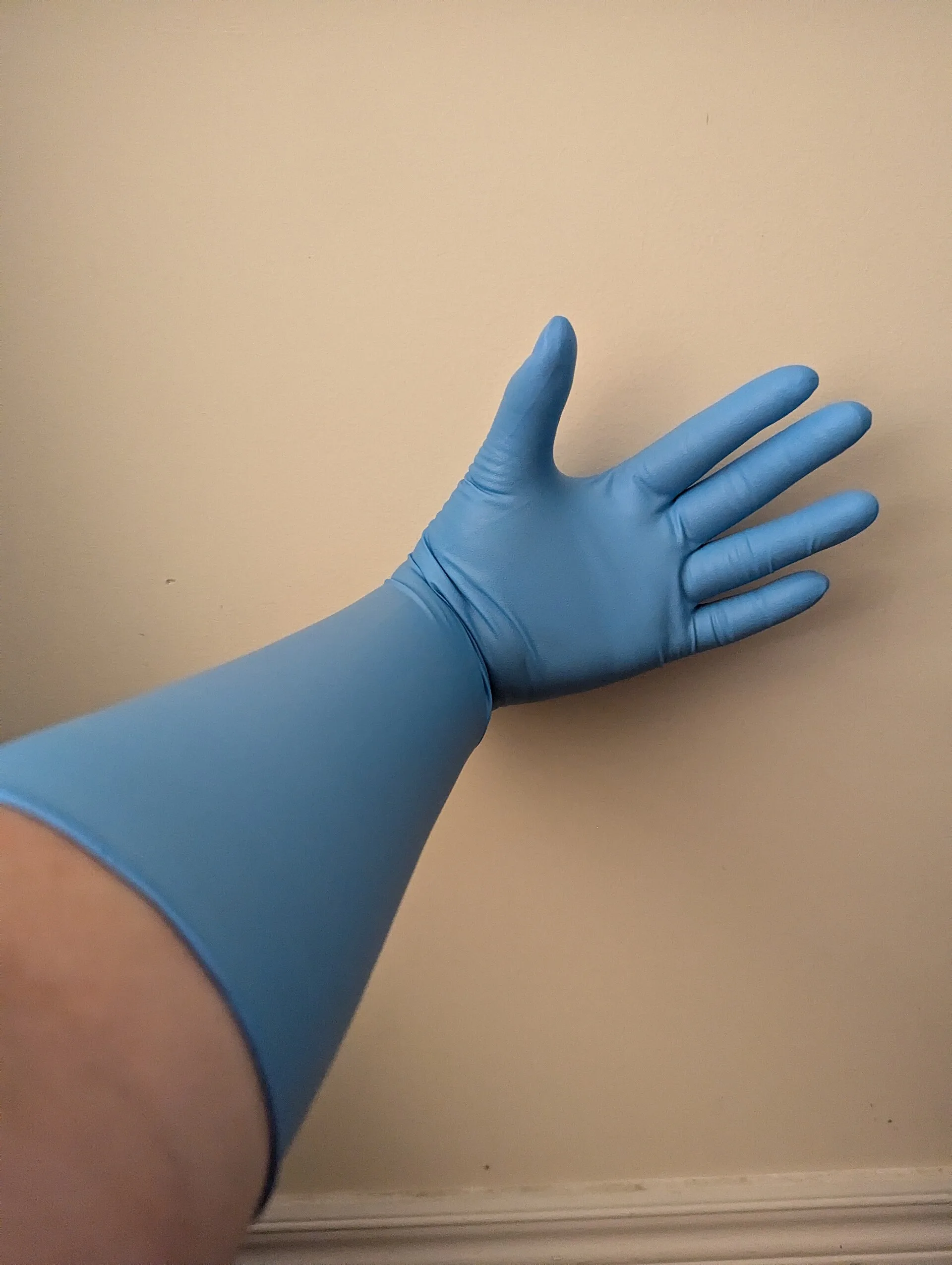
Check EN ISO 374-1 Type A, B or C and confirm breakthrough times for the actual chemicals with the manufacturer's permeation data. Nitrile suits oils and many solvents; neoprene and butyl suit some acids and ketones.
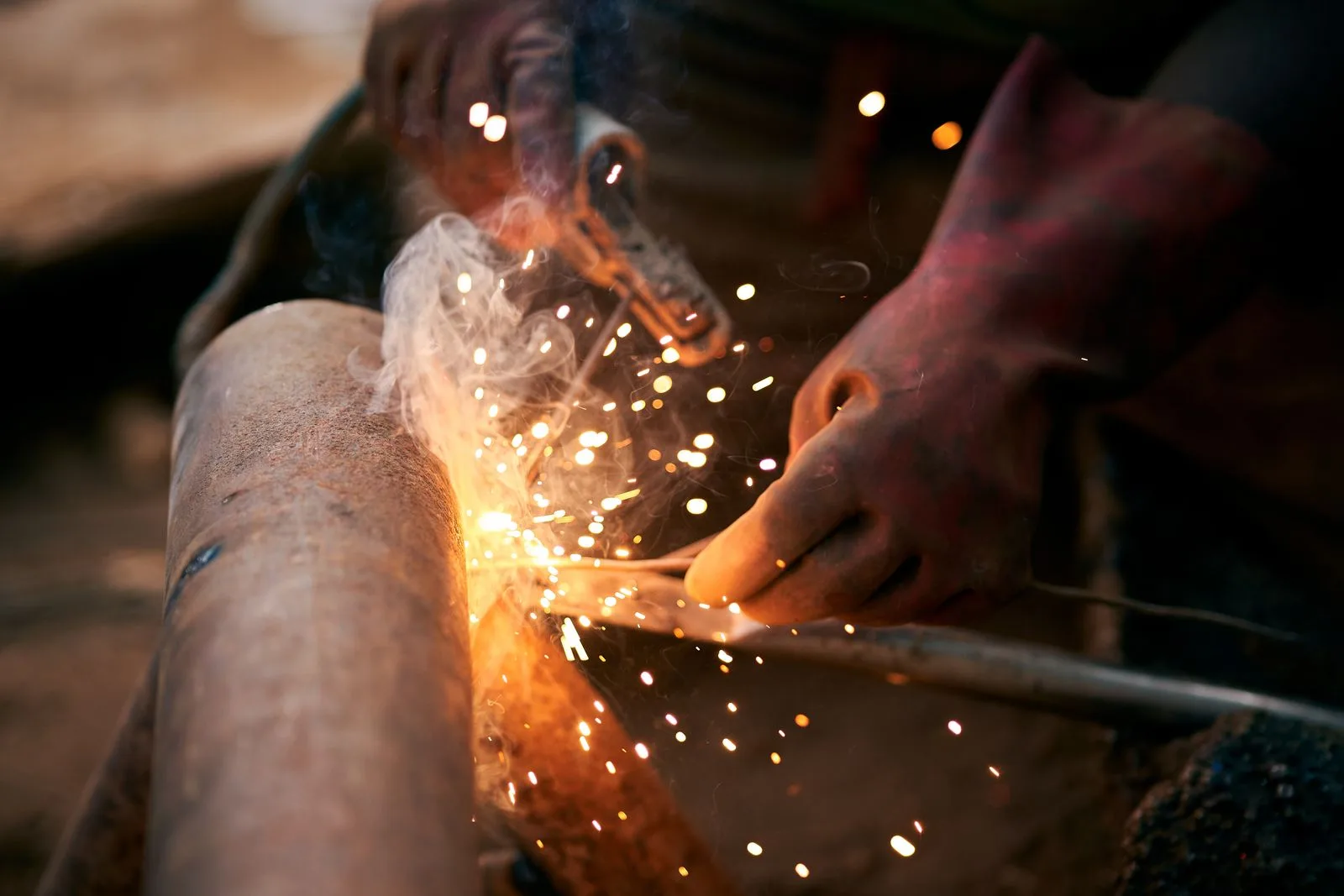
Use EN 407 gloves for hot parts, EN 12477 Type A or B for welding, and EN 60903 insulating gloves of the correct class for electrical work, worn with leather protectors and tested regularly.
Hand ProtectionPPE-HN-503
EN 388 · ANSI/ISEA 138 Level
Hand ProtectionPPE-HN-504
EN ISO 374-1 · EN ISO 374-5
Hand ProtectionPPE-HN-508
EN 388 · ANSI/ISEA 105 A6

Hand ProtectionPPE-HN-506
EN 60903 · ASTM D120
In hot conditions, choose breathable knitted liners and coatings that grip when oily or wet. Sweat reduces grip and dexterity, so provide enough pairs for changes during a shift.
Gloves that are too large reduce dexterity and can be caught in machinery. Supply a full size range (EN ISO 21420 sizes 6-11) and replace gloves when coatings wear through or are contaminated.