
 Featured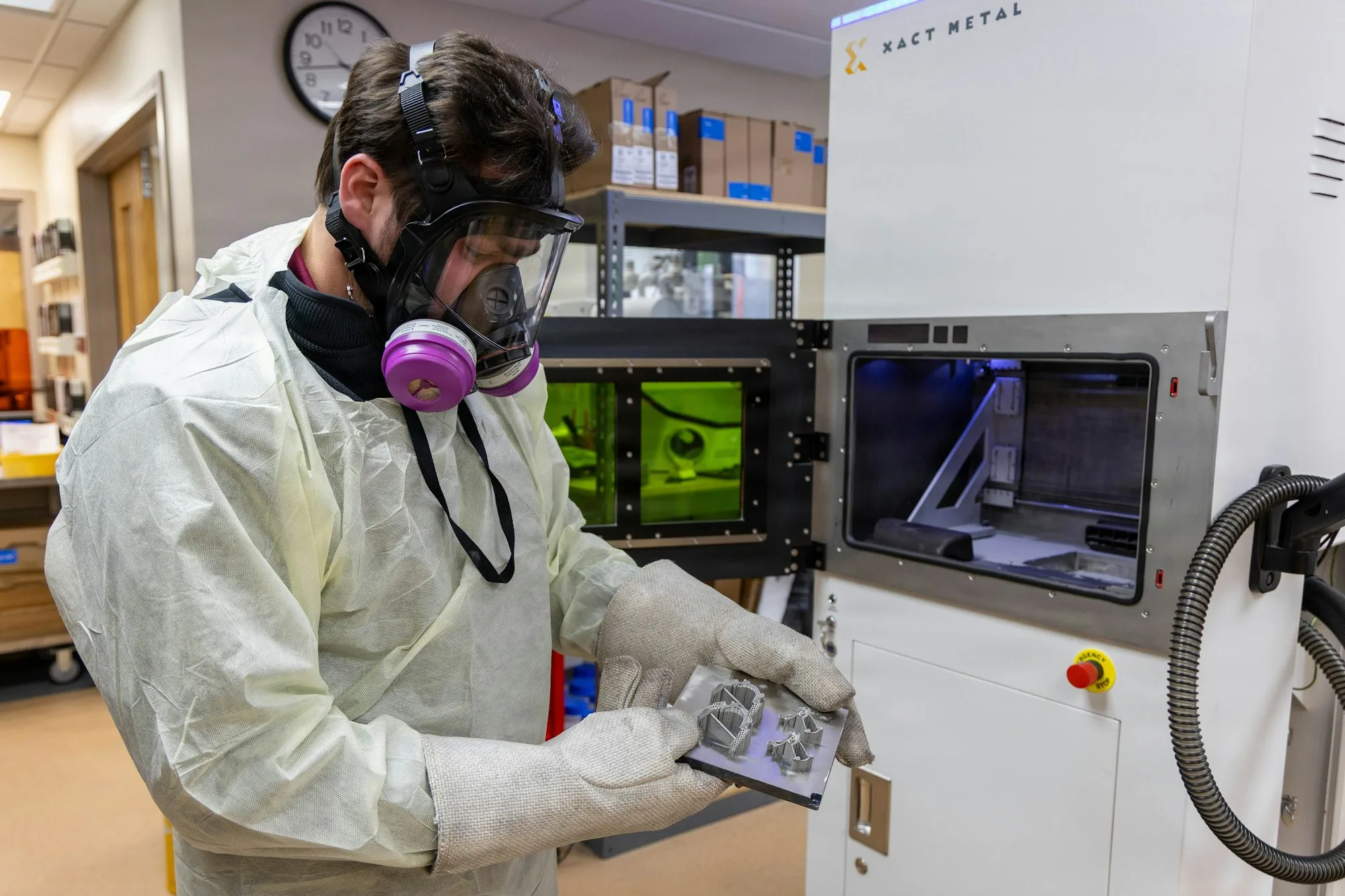
Personal Protective Equipment
Showing 1–10 of 10 products
ENFeatured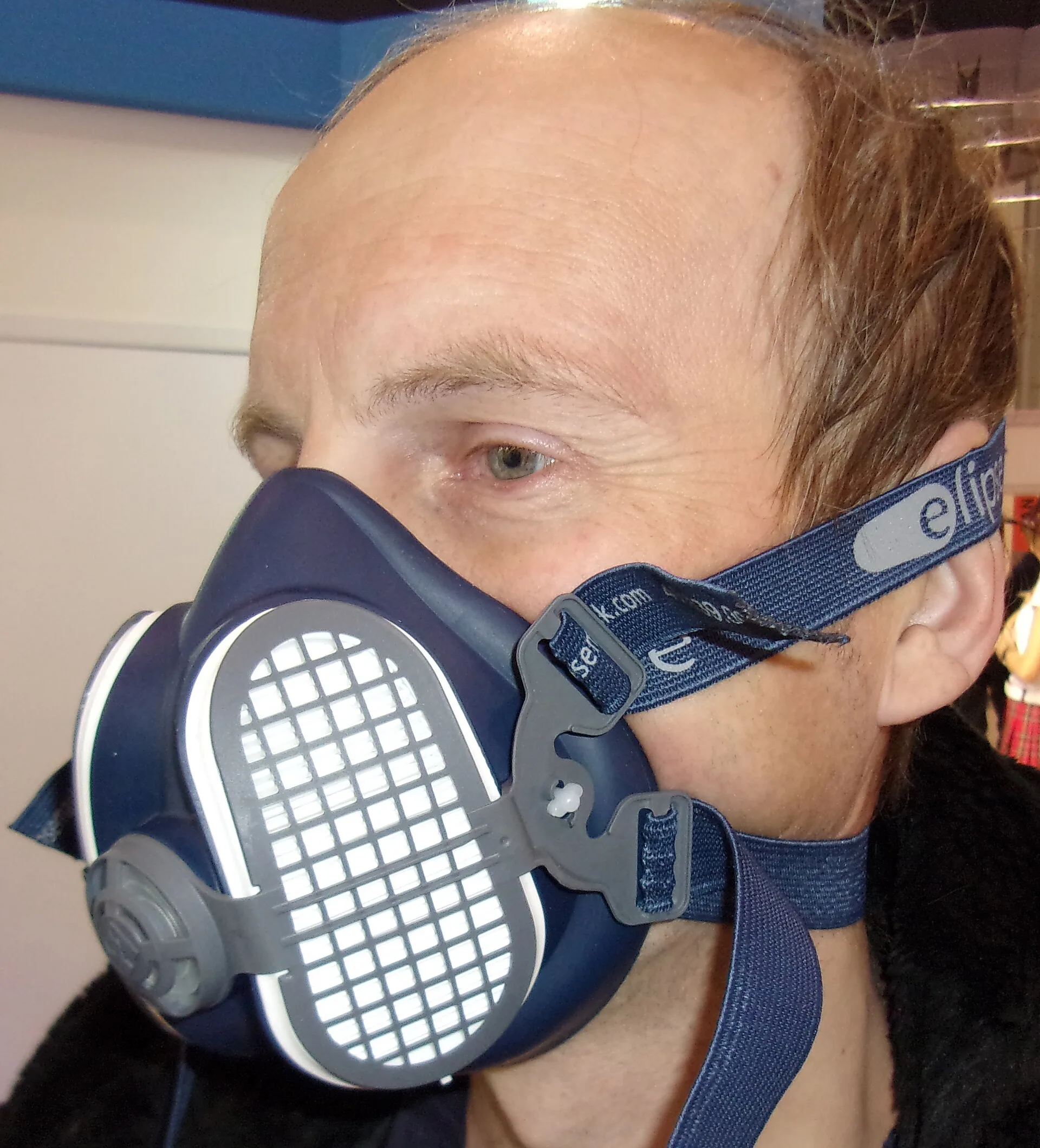
Respiratory ProtectionPPE-RS-410
EN 14594 · EN 12021
Respiratory ProtectionPPE-RS-407
ISO 23269-1 · EN 1146
Respiratory ProtectionPPE-RS-409
EN 12941
Buying guide
Respirator selection starts with the contaminant, its concentration and the oxygen level. Filtering devices clean the surrounding air and cannot be used in oxygen-deficient or immediately dangerous atmospheres, where supplied-air equipment is needed.
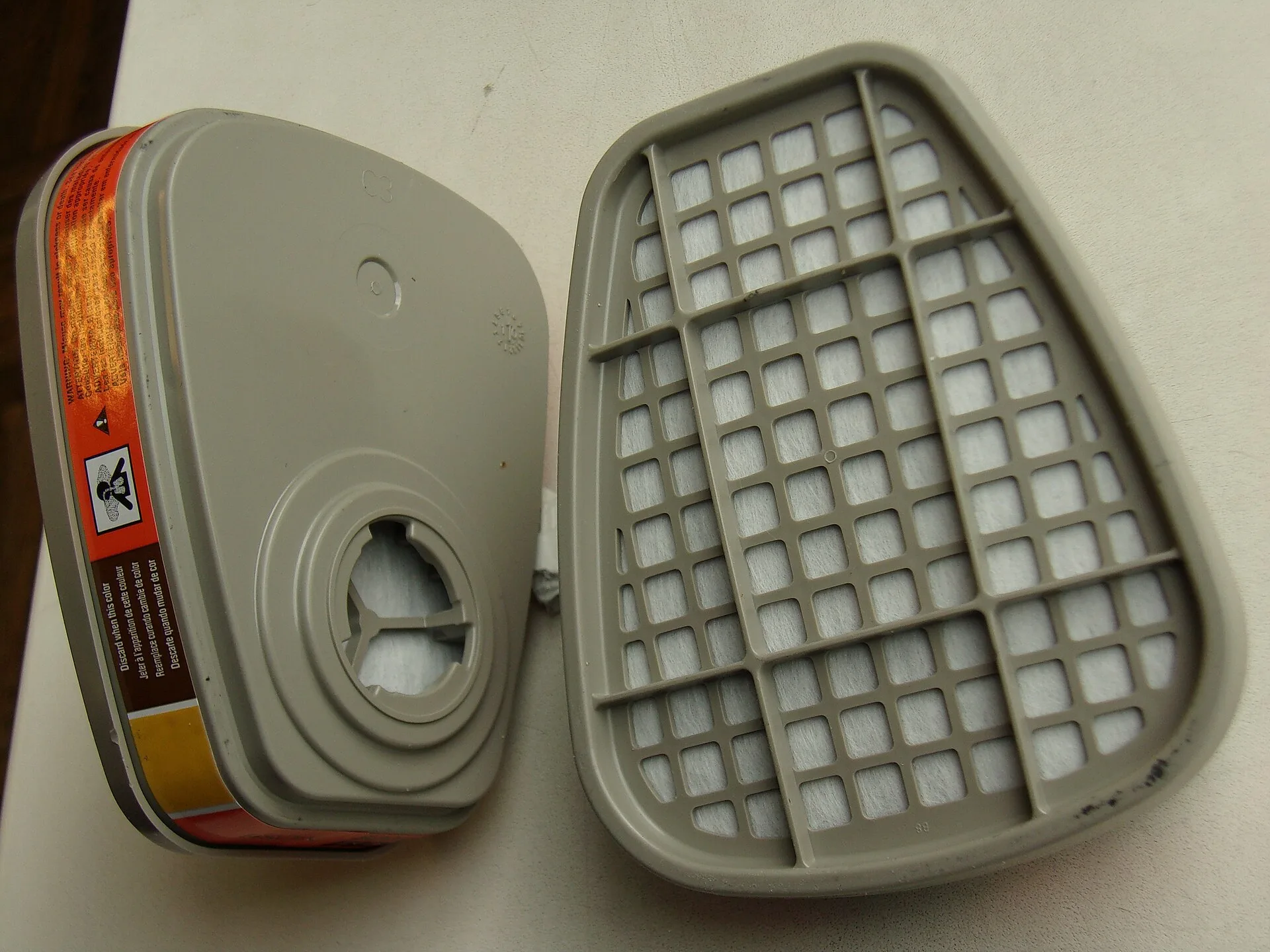
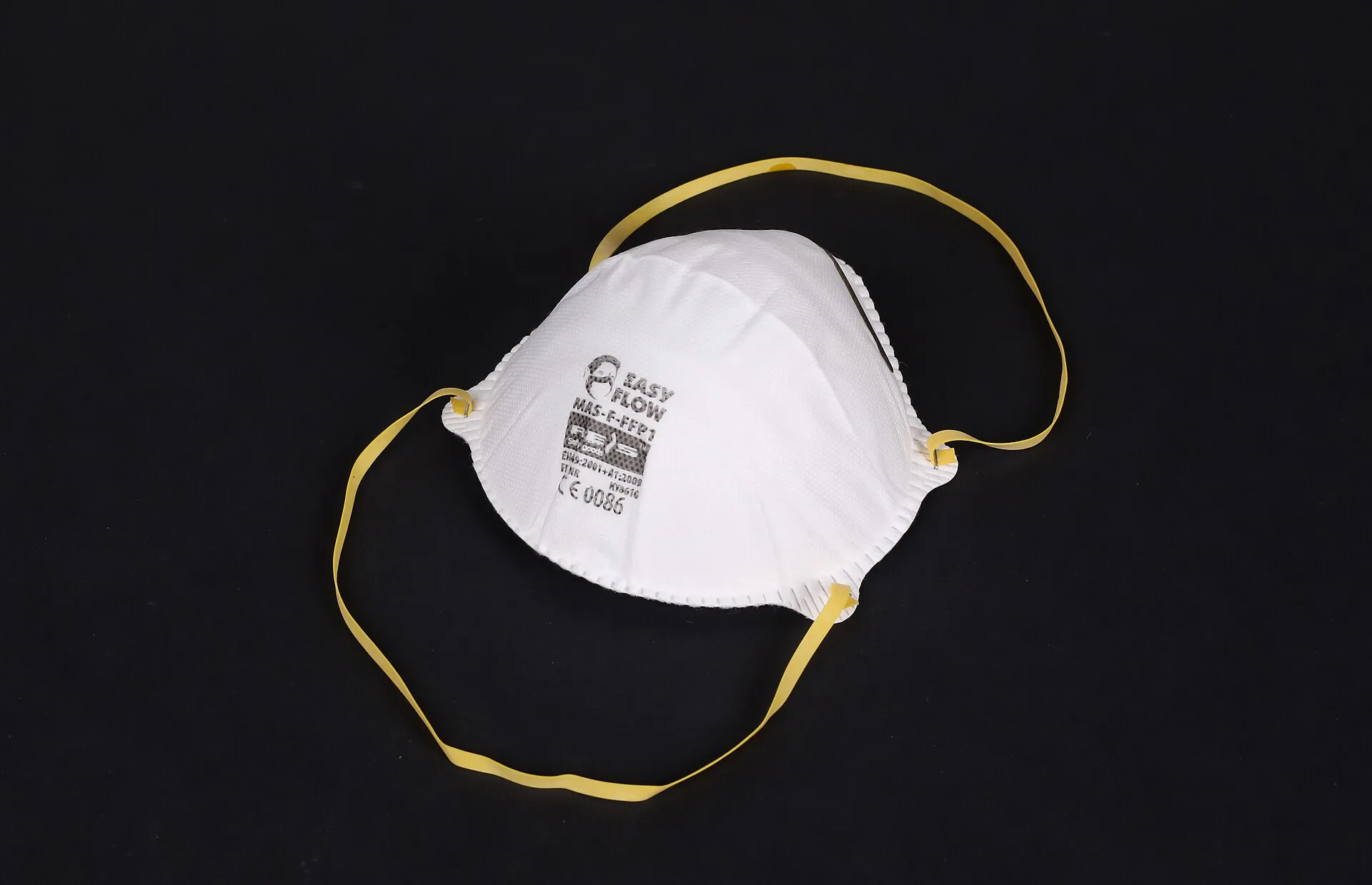
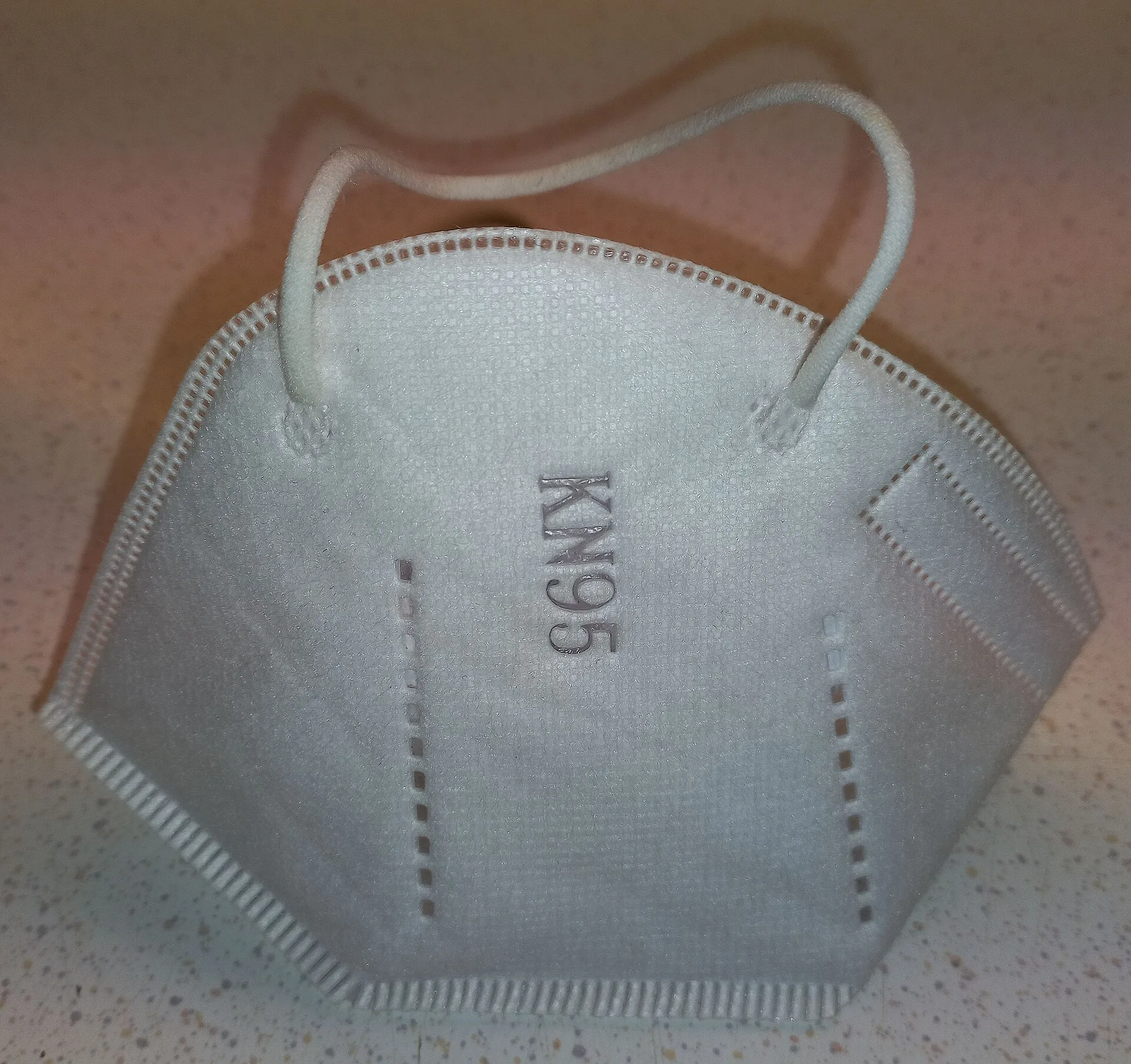
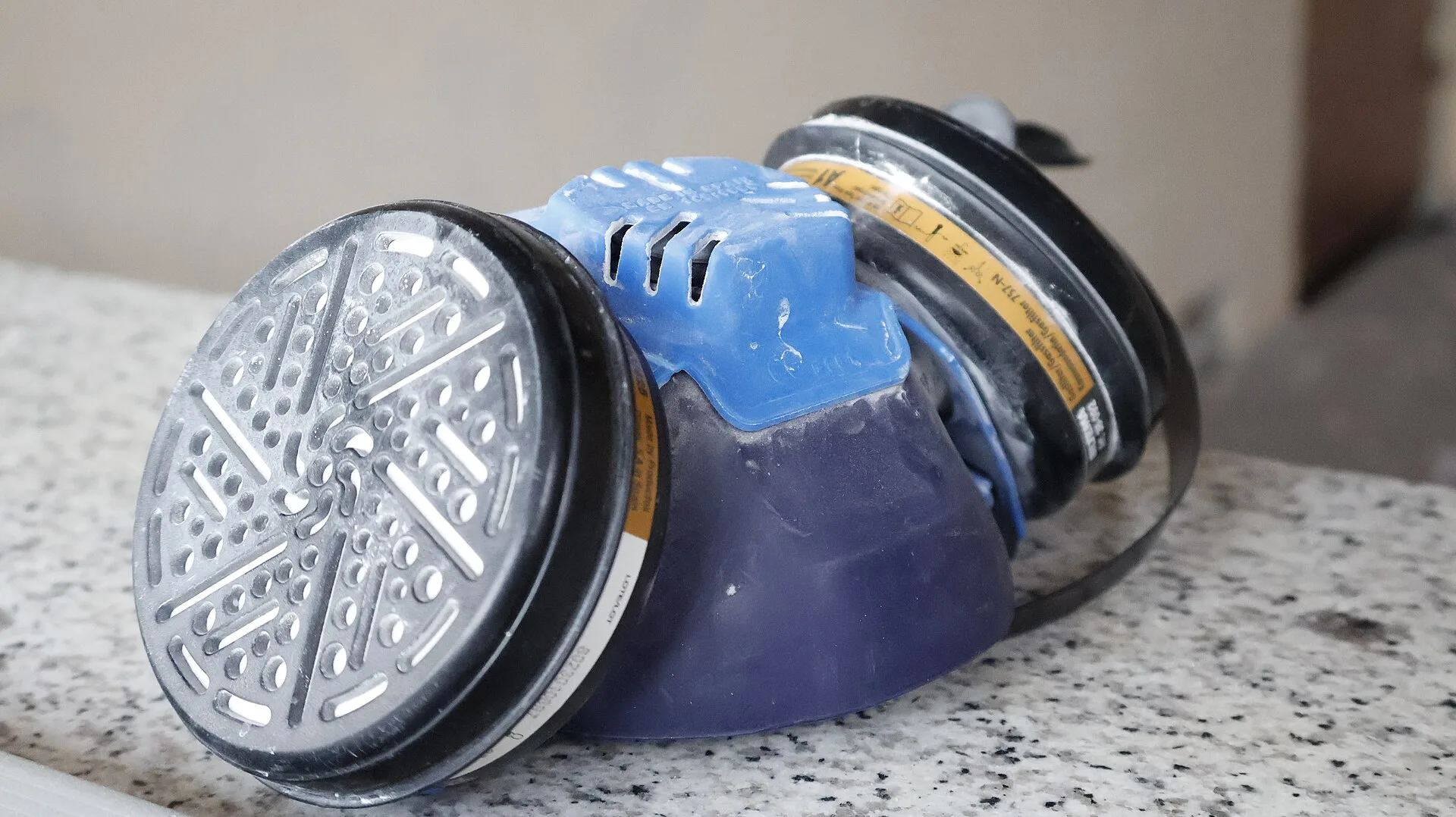
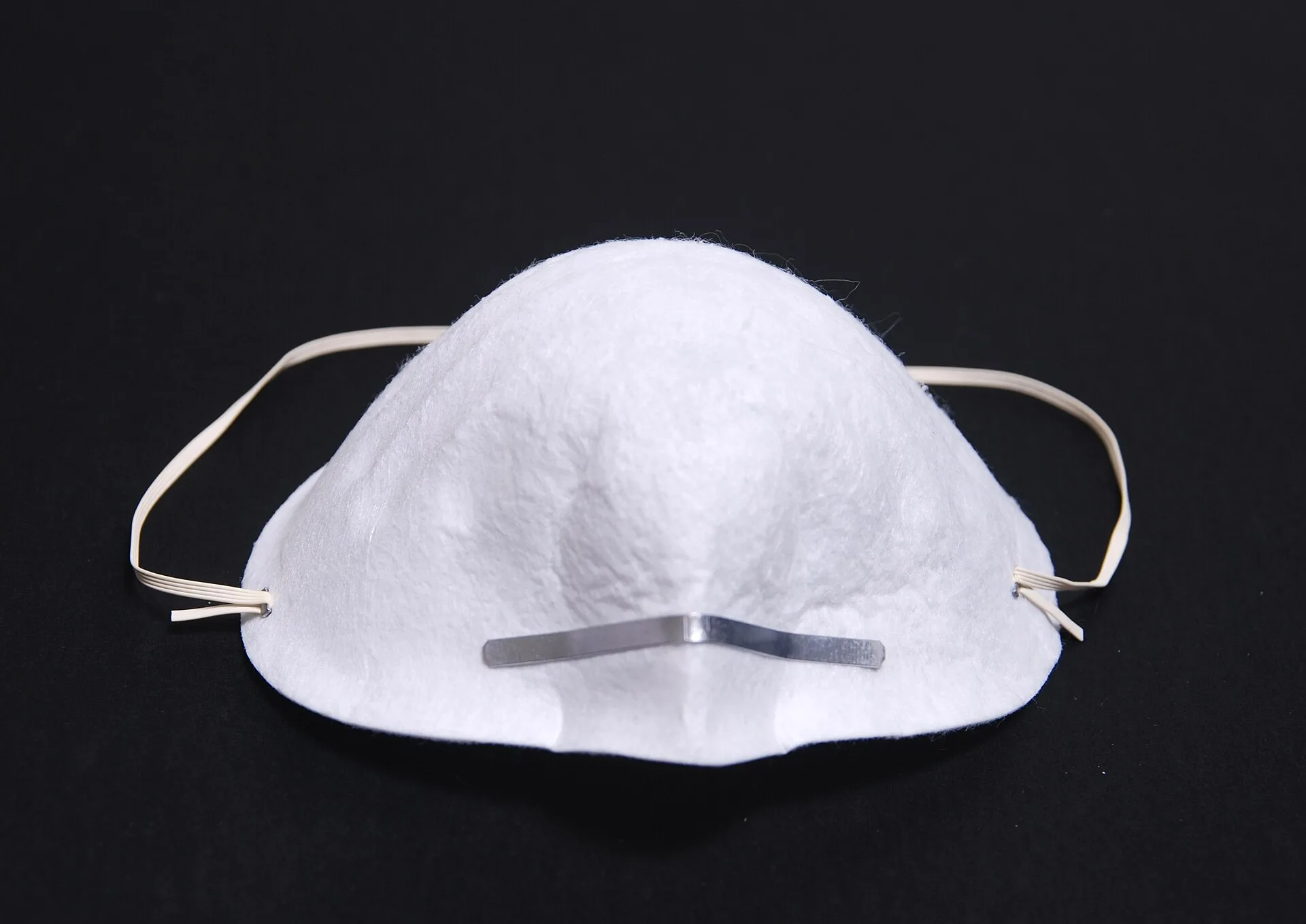
Particles (dust, fume, mist) need particle filters such as EN 149 FFP masks or EN 143 P filters. Gases and vapours need EN 14387 gas filters of the correct type, e.g. A for organic vapours or B for H2S. Many tasks need a combined filter such as ABEK1-P3.
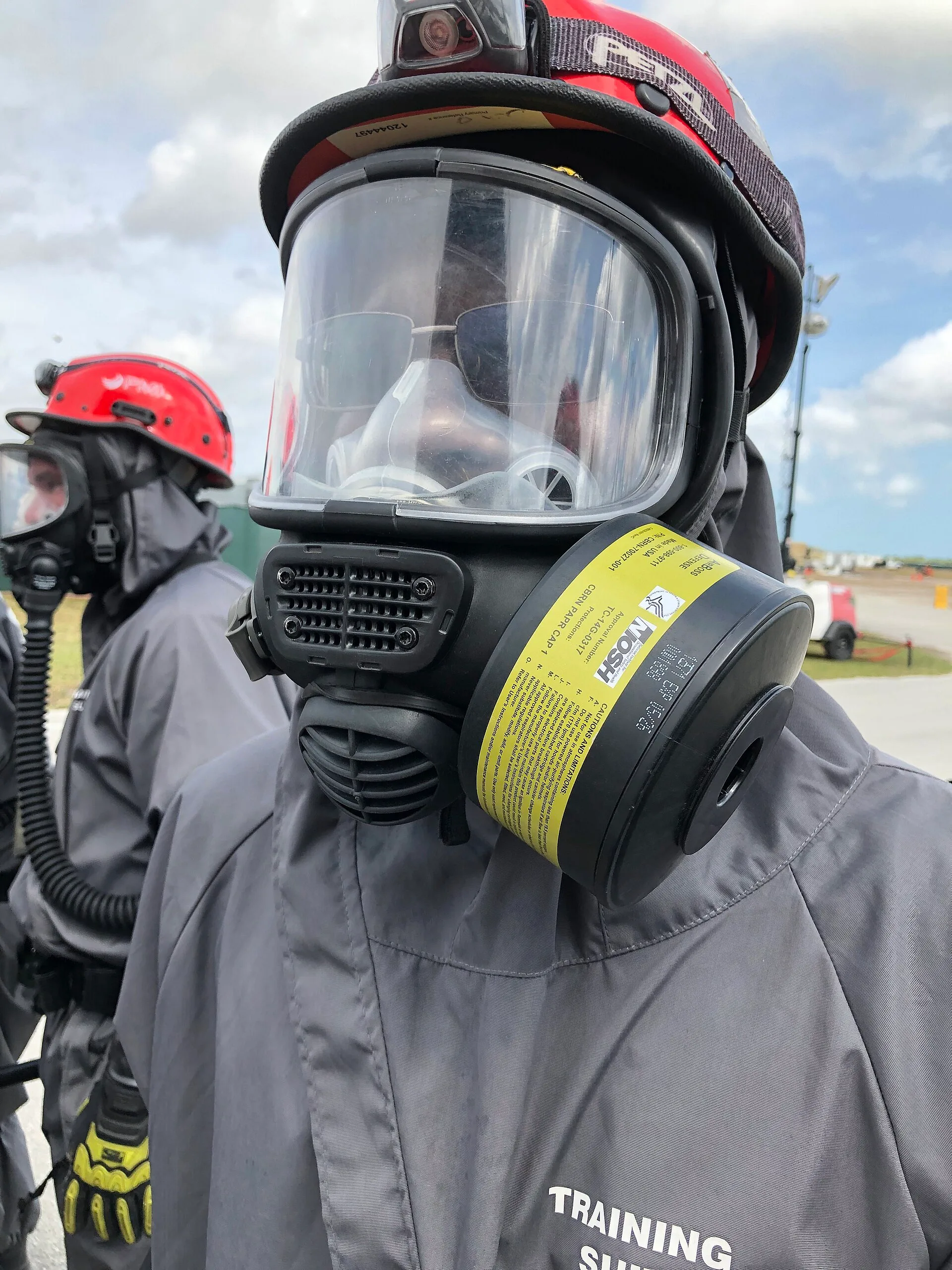
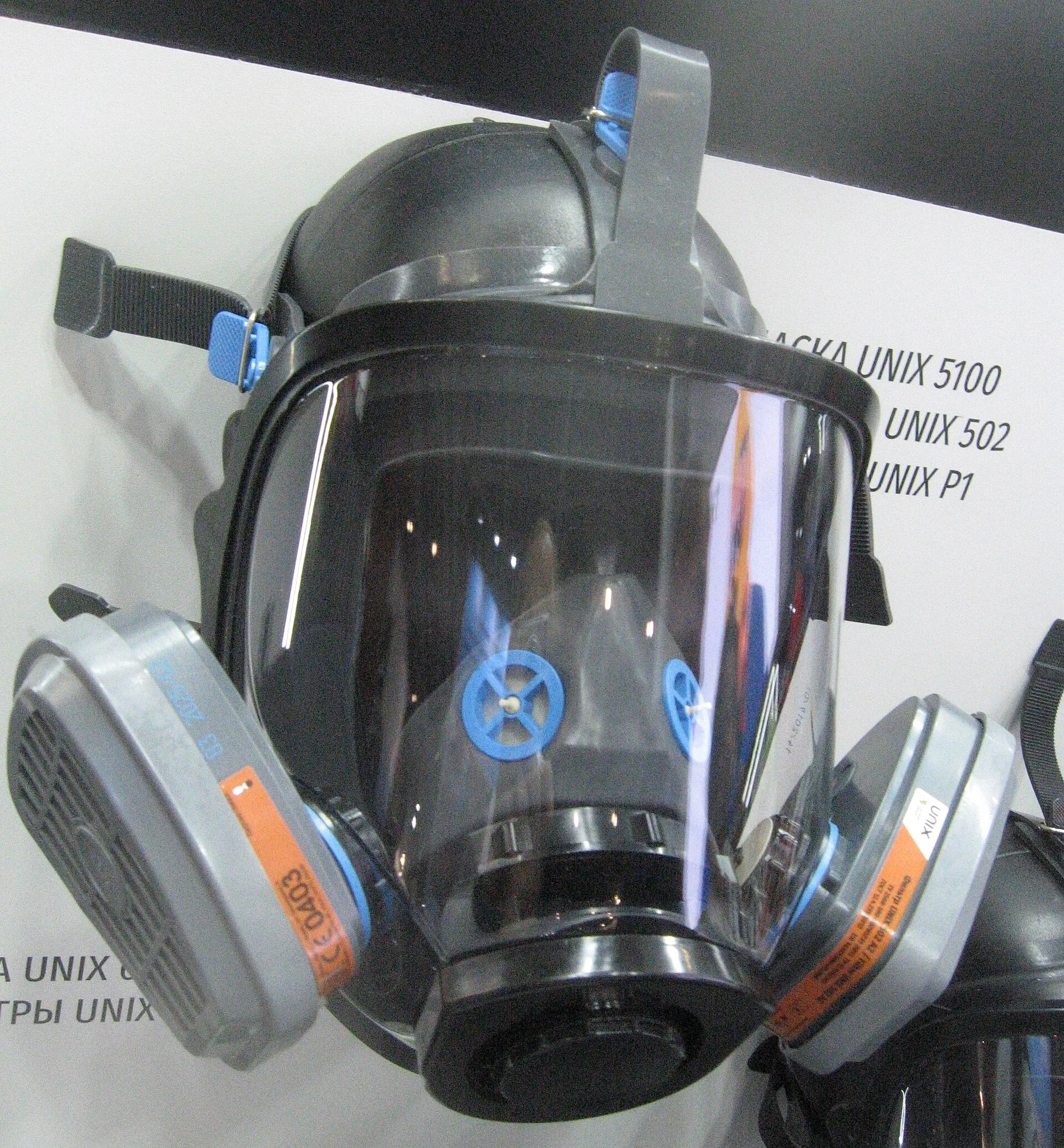
Compare measured concentration with the exposure limit to find the protection factor required. FFP3 and P3 half masks give more protection than FFP2; full face masks (EN 136) and TH3 powered respirators (EN 12941) give more again.
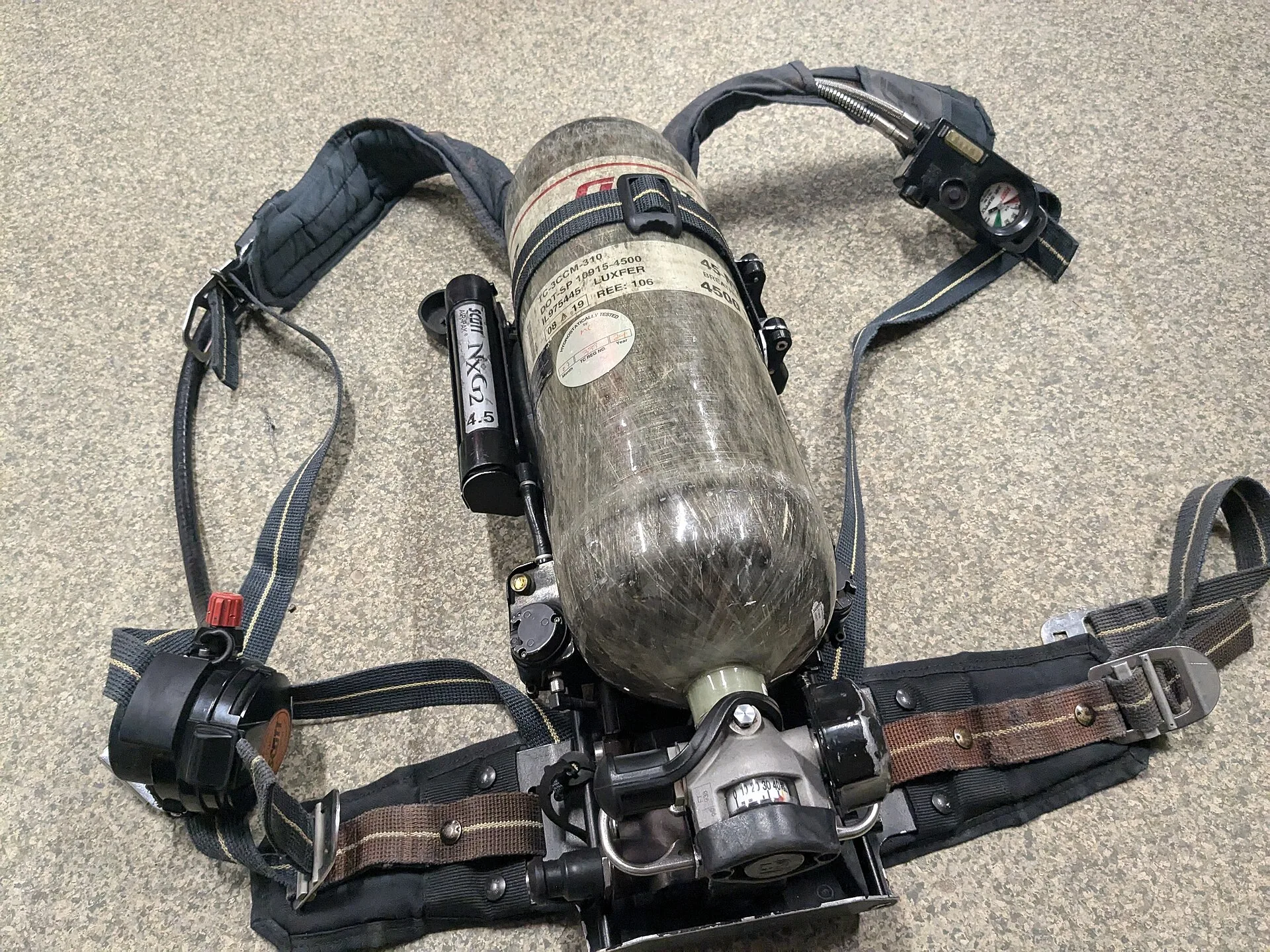
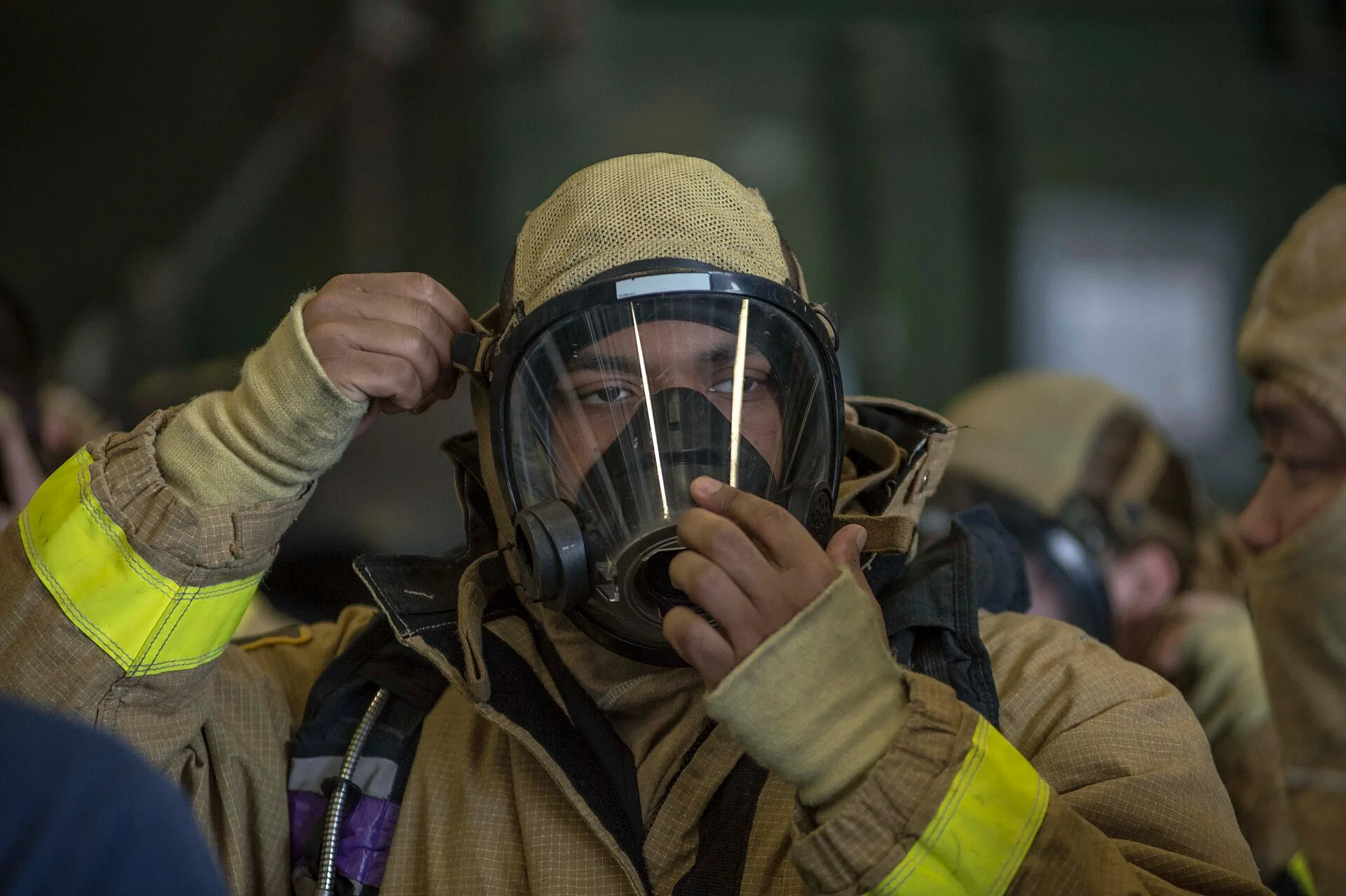
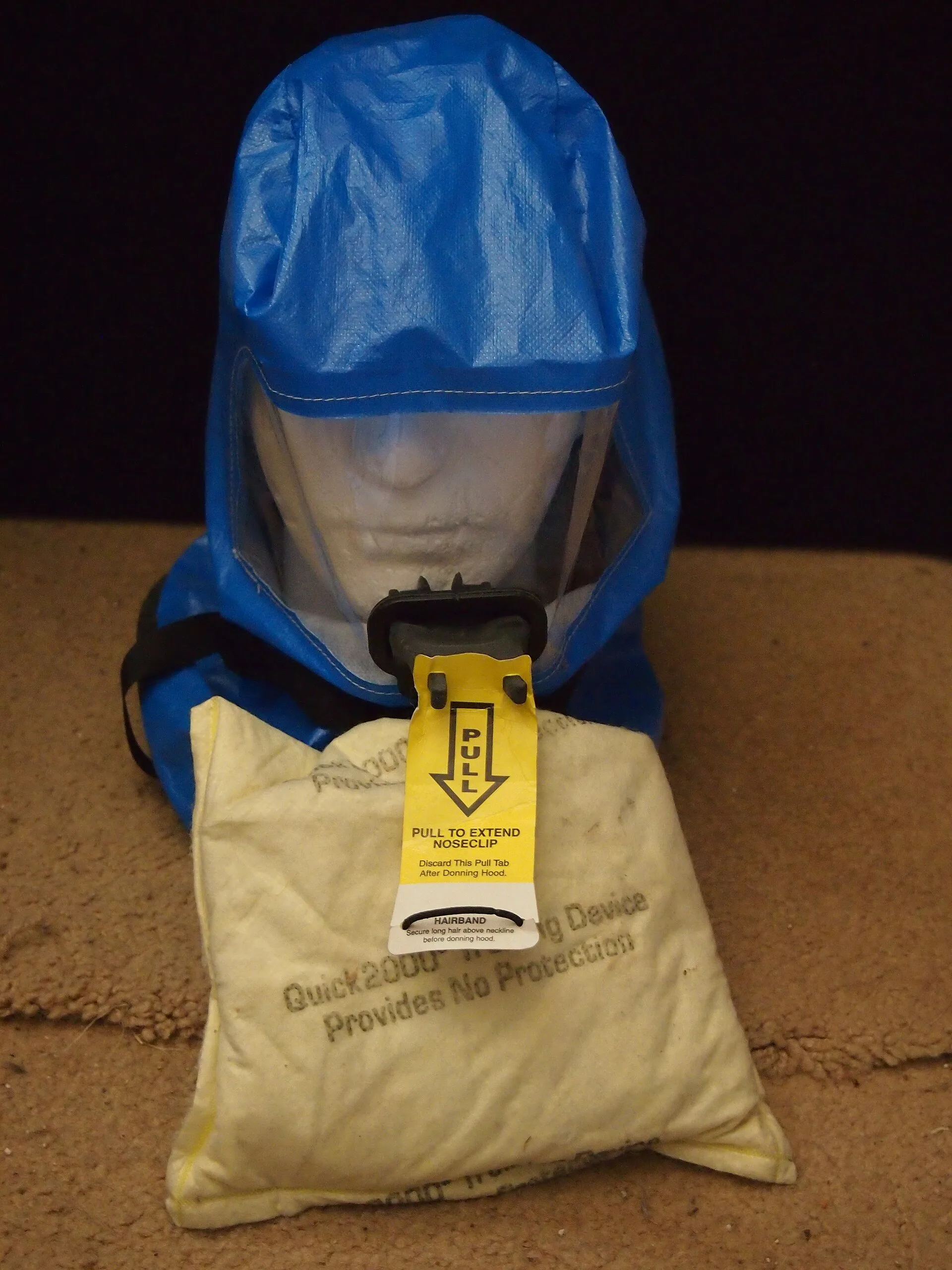
For confined spaces, tank entry, H2S release or fire, use SCBA (EN 137) or airline equipment (EN 14594) with breathing air meeting EN 12021. Escape sets (EN 1146) are for escape only.
Tight-fitting masks need a fit test for each wearer and a clean-shaven seal area. Where beards are worn, or heat makes tight masks hard to tolerate, use loose-fitting powered or supplied-air hoods.
In high temperatures, breathing resistance and heat build-up reduce wear time. Masks with exhalation valves, low-resistance filters or powered units improve compliance during heavy work.
Set a filter change schedule based on contaminant and use, as gas filters give no reliable warning when exhausted. Clean and store reusable masks in sealed containers, and service SCBA as the manufacturer requires.