 Featured
Protective ClothingPPE-CL-701
Flame-Retardant Coverall
EN ISO 11612 · EN ISO 11611
Available on request
Personal Protective Equipment
Showing 1–8 of 8 products
FeaturedProtective ClothingPPE-CL-701
EN ISO 11612 · EN ISO 11611
Protective ClothingPPE-CL-702
IEC 61482-2 · NFPA 70E
Buying guide
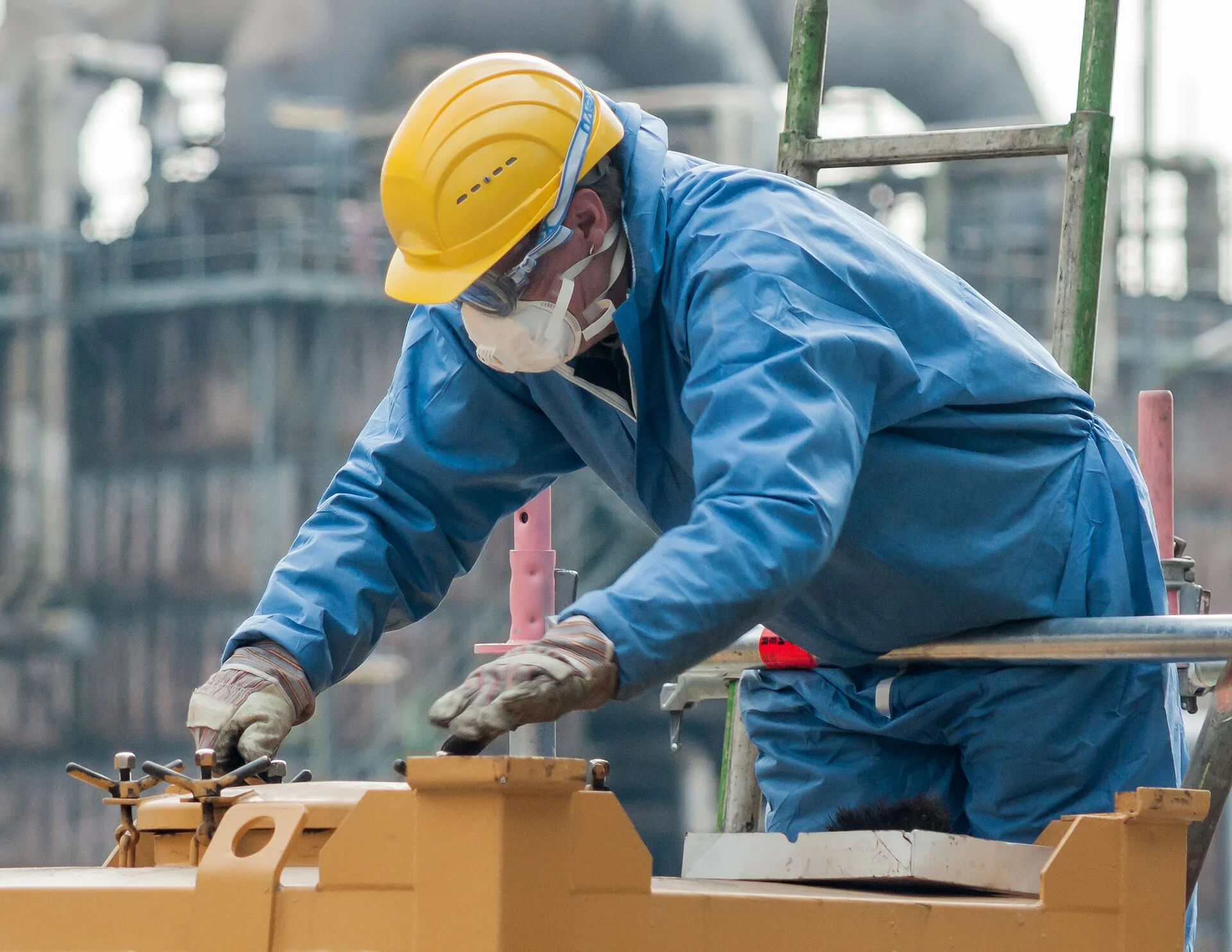
Protective clothing is chosen by the dominant hazard: flame and heat, electric arc, chemicals, welding spatter or weather. Each hazard has its own standard, and a garment rated for one is not protective against the others unless it carries multiple certifications.
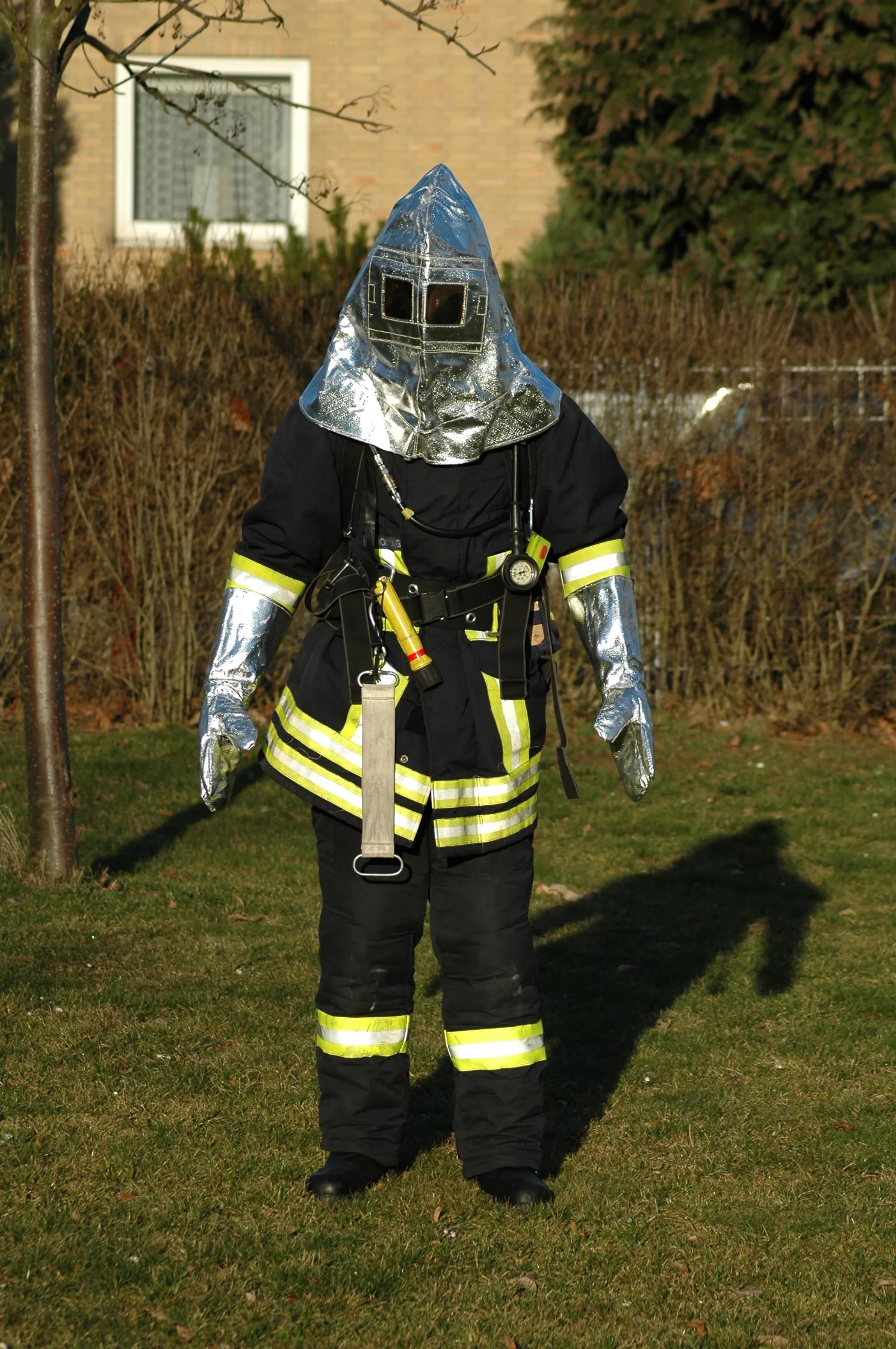
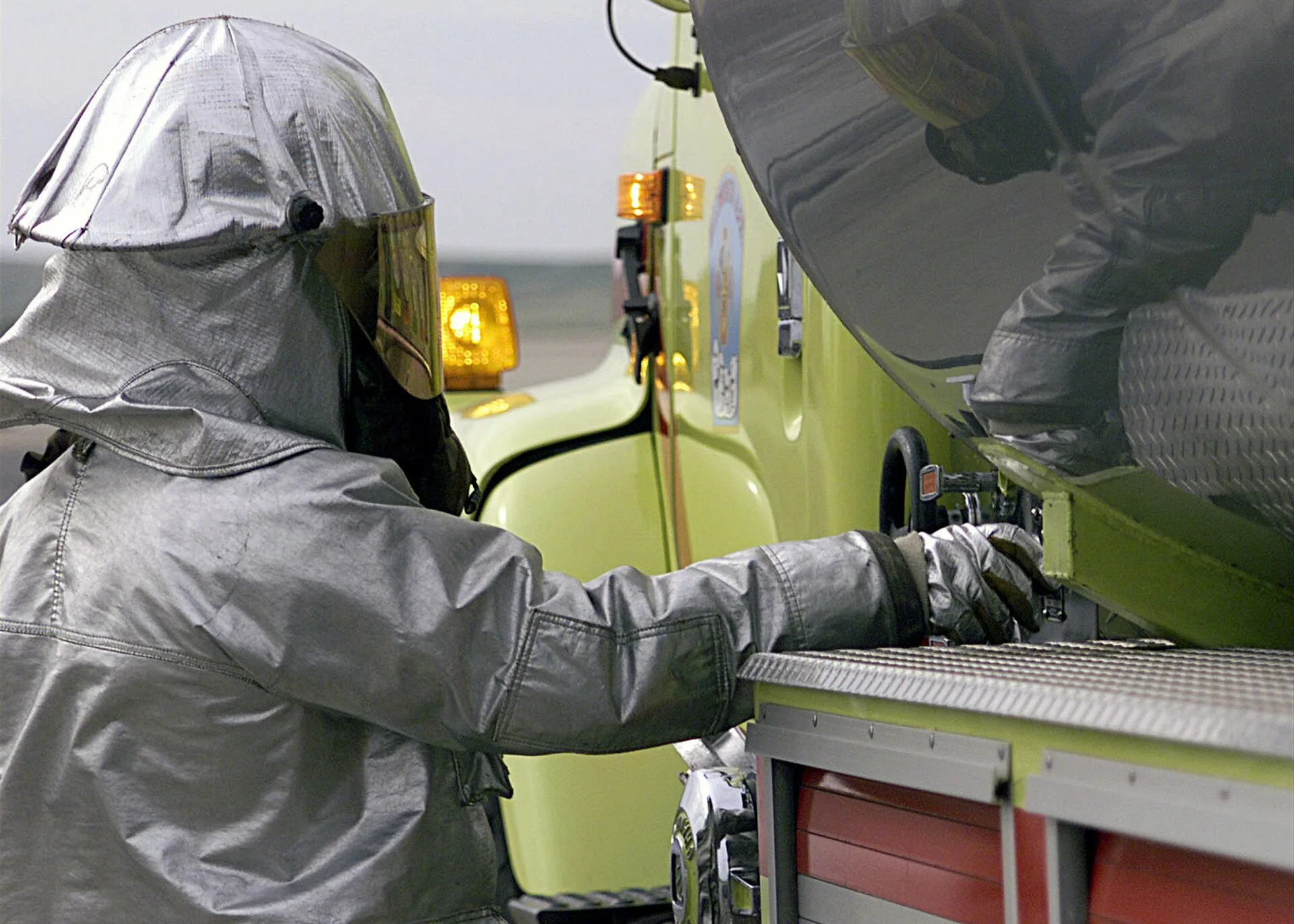
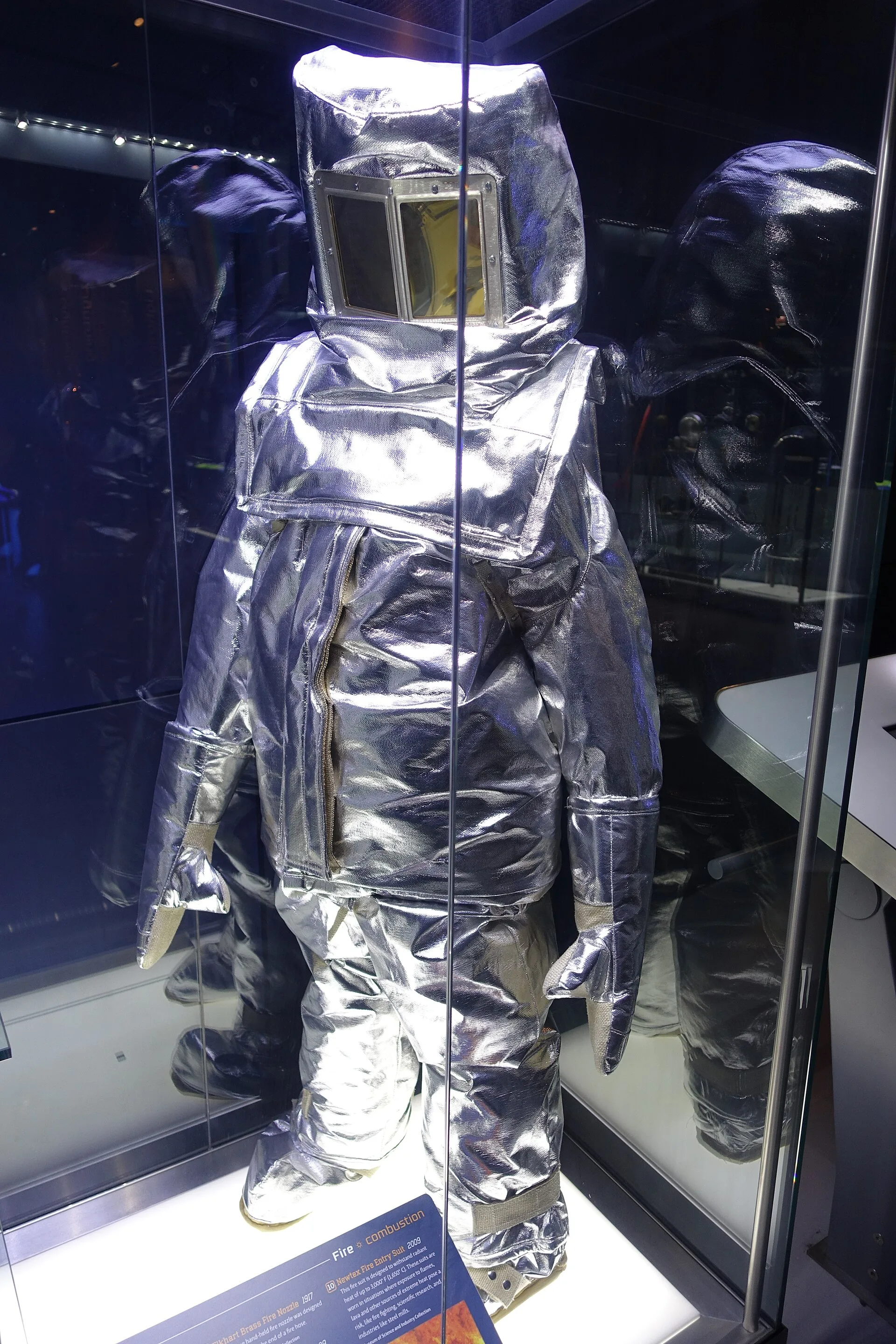
For oil, gas and petrochemical sites, use flame-retardant garments to EN ISO 11612, checking the A-F codes against the actual hazard. For radiant heat at short range, use EN 1486 aluminised suits.
For electrical work, specify arc-rated clothing to IEC 61482-2 with an arc rating (cal/cm²) at or above the incident energy from your arc-flash study, or the NFPA 70E PPE category.
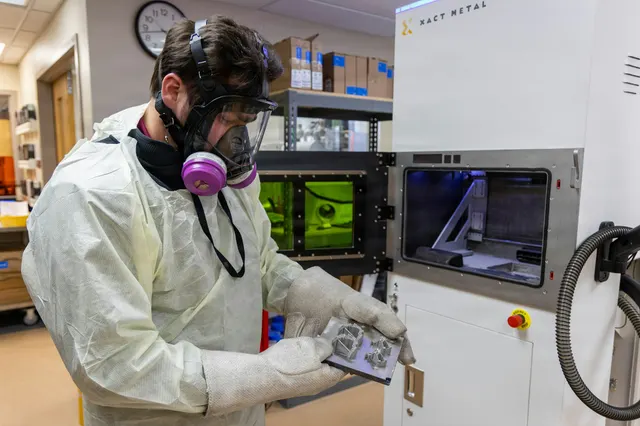
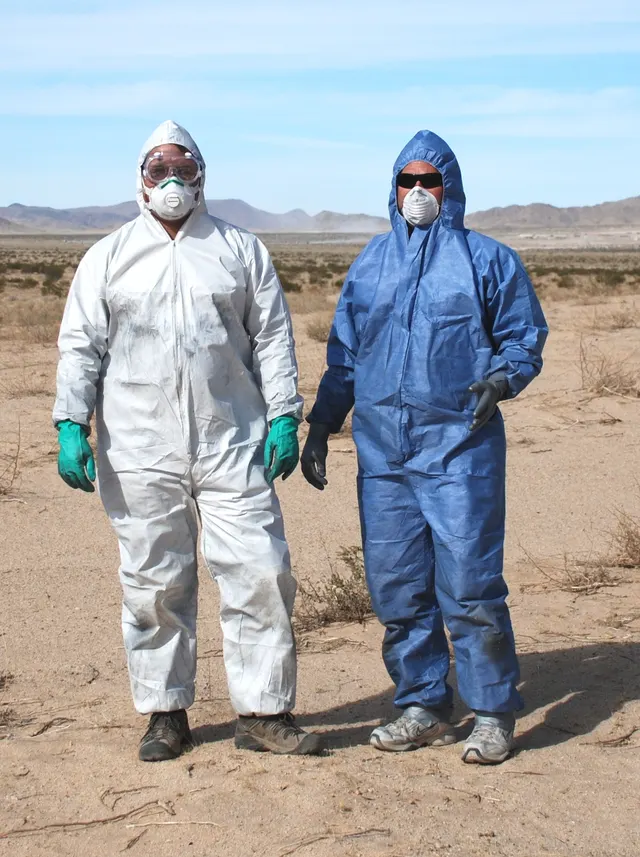
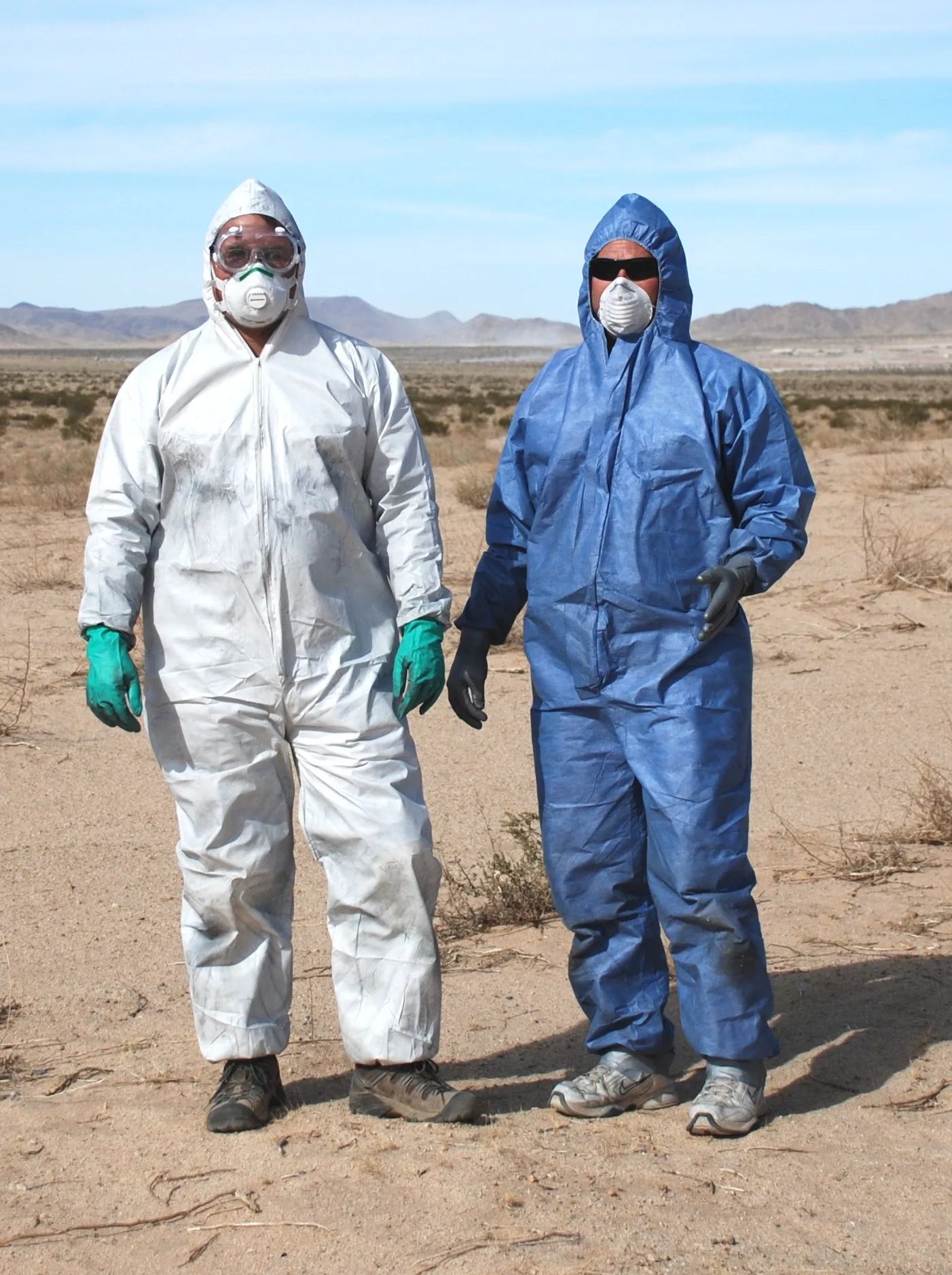
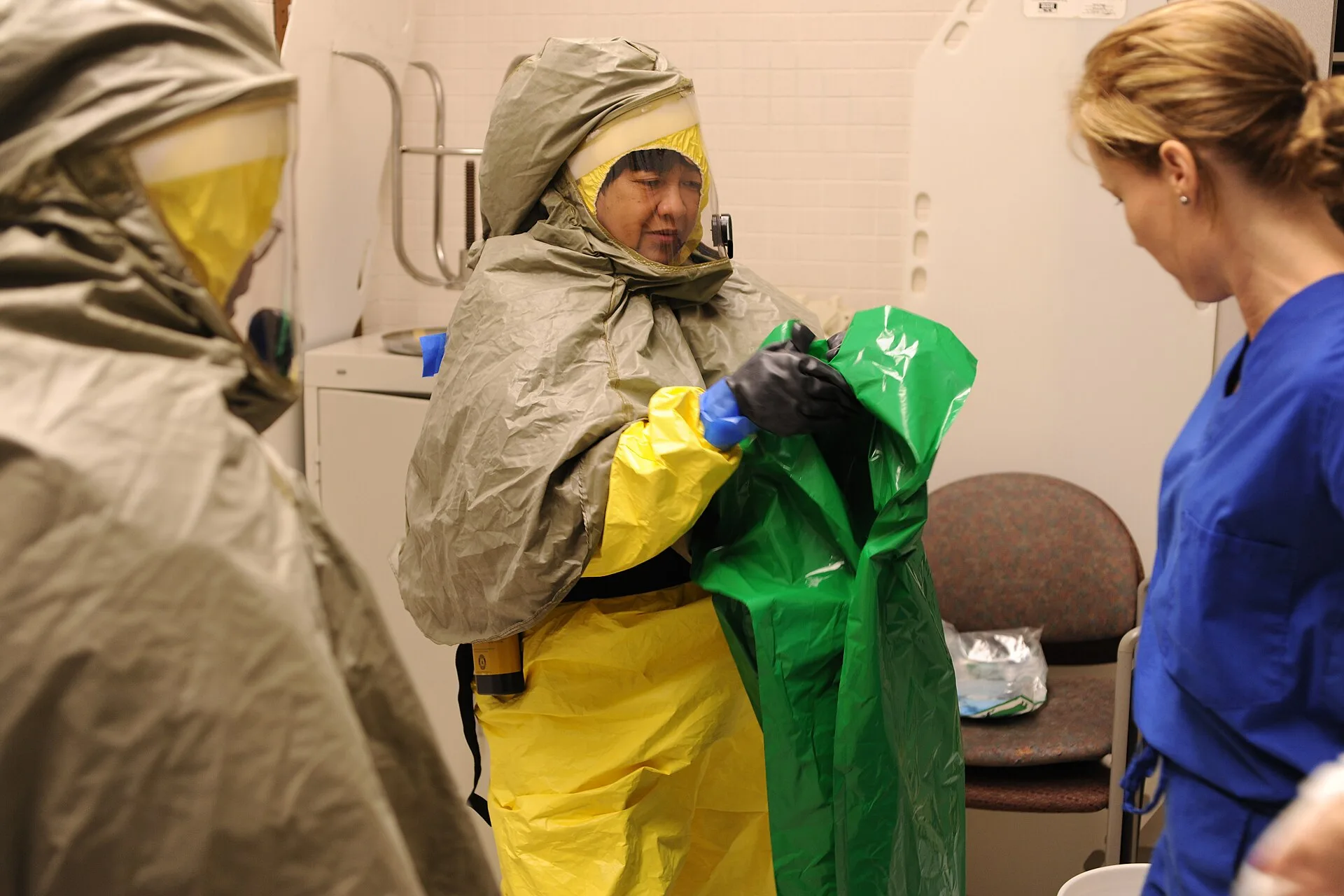
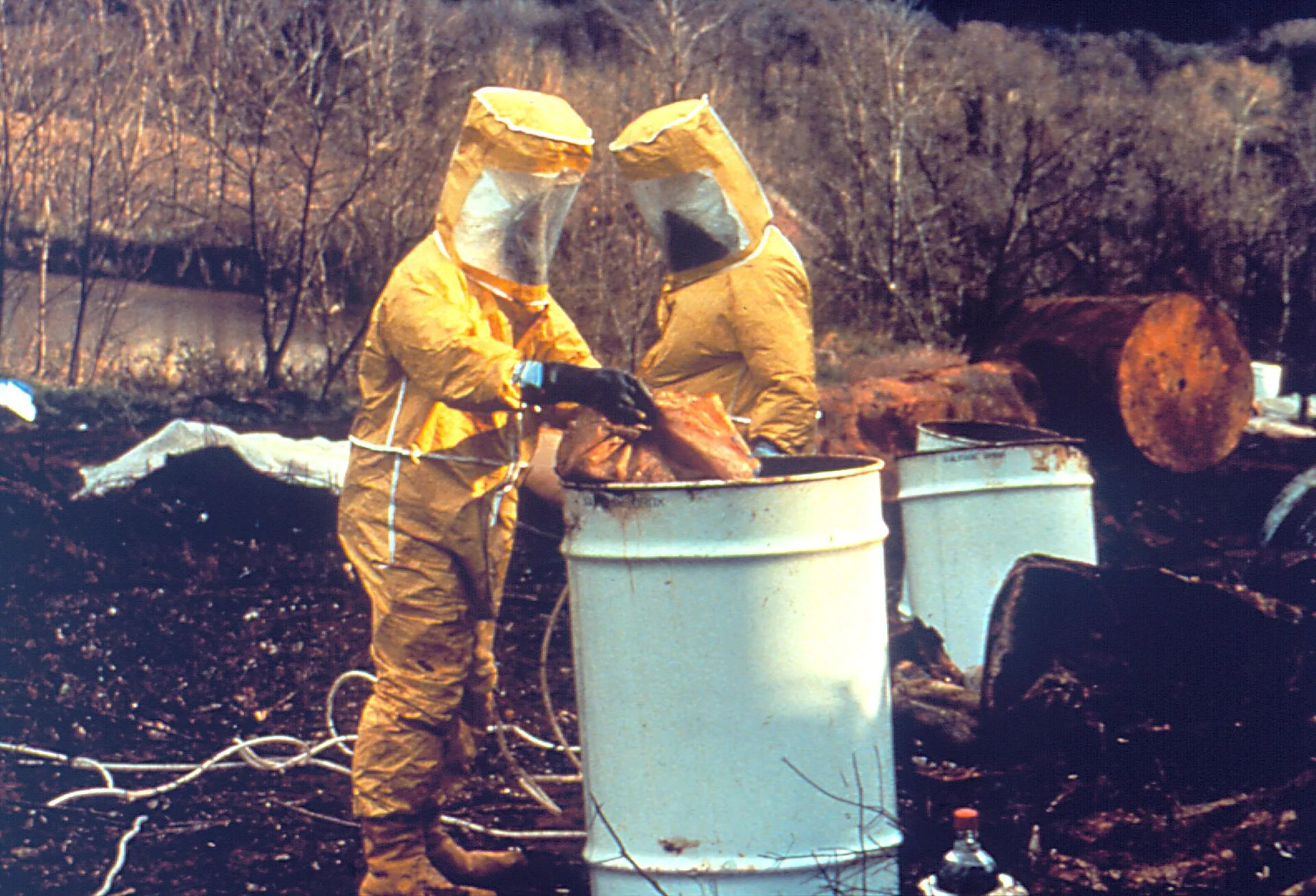
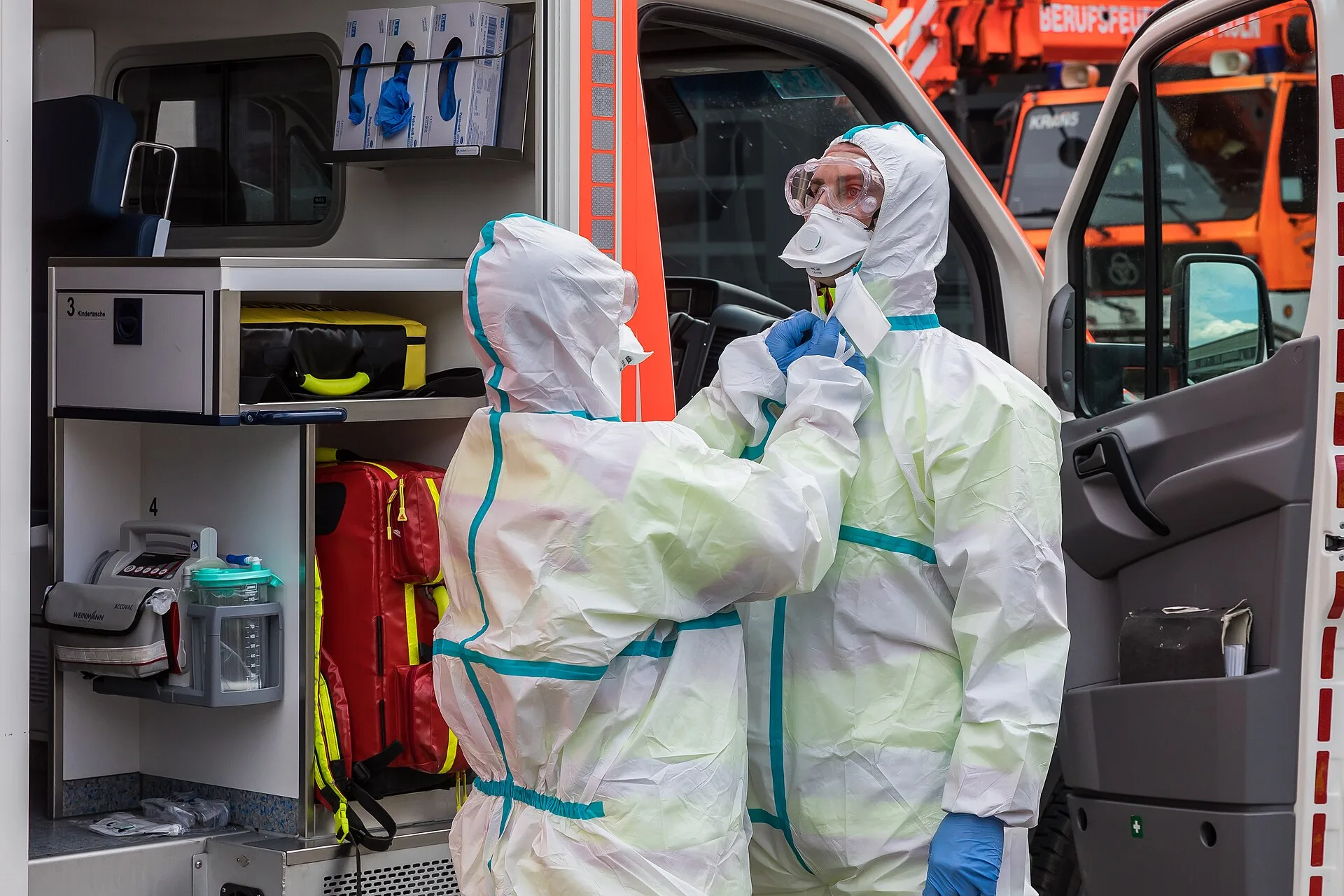
Choose the chemical type by exposure: Type 3 (jets, EN 14605), Type 4 (sprays), Type 5 (dry particles, EN ISO 13982-1) or Type 6 (light splash, EN 13034). Check the fabric permeation data for your chemicals.
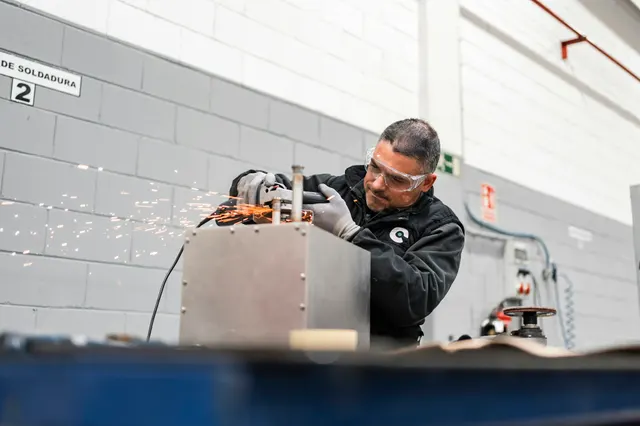
Use EN ISO 11611 Class 1 for light welding and Class 2 for heavy spatter, such as manual metal arc and gouging.
Protective clothing increases heat strain. Choose the lightest fabric that gives the protection needed, light colours for outdoor work, and plan work-rest cycles using WBGT (ISO 7243). Chemical suits can only be worn for short periods in high heat.
Follow the care label: some FR fabrics lose protection with incorrect washing. Remove garments that are torn, contaminated with flammable liquids or worn thin.