
 Featured
Catalog
Buying guide
Fire protection combines detection, first-aid firefighting, fixed suppression and safe evacuation. Equipment should match the fire classes present and be approved by the local civil defence or authority having jurisdiction.
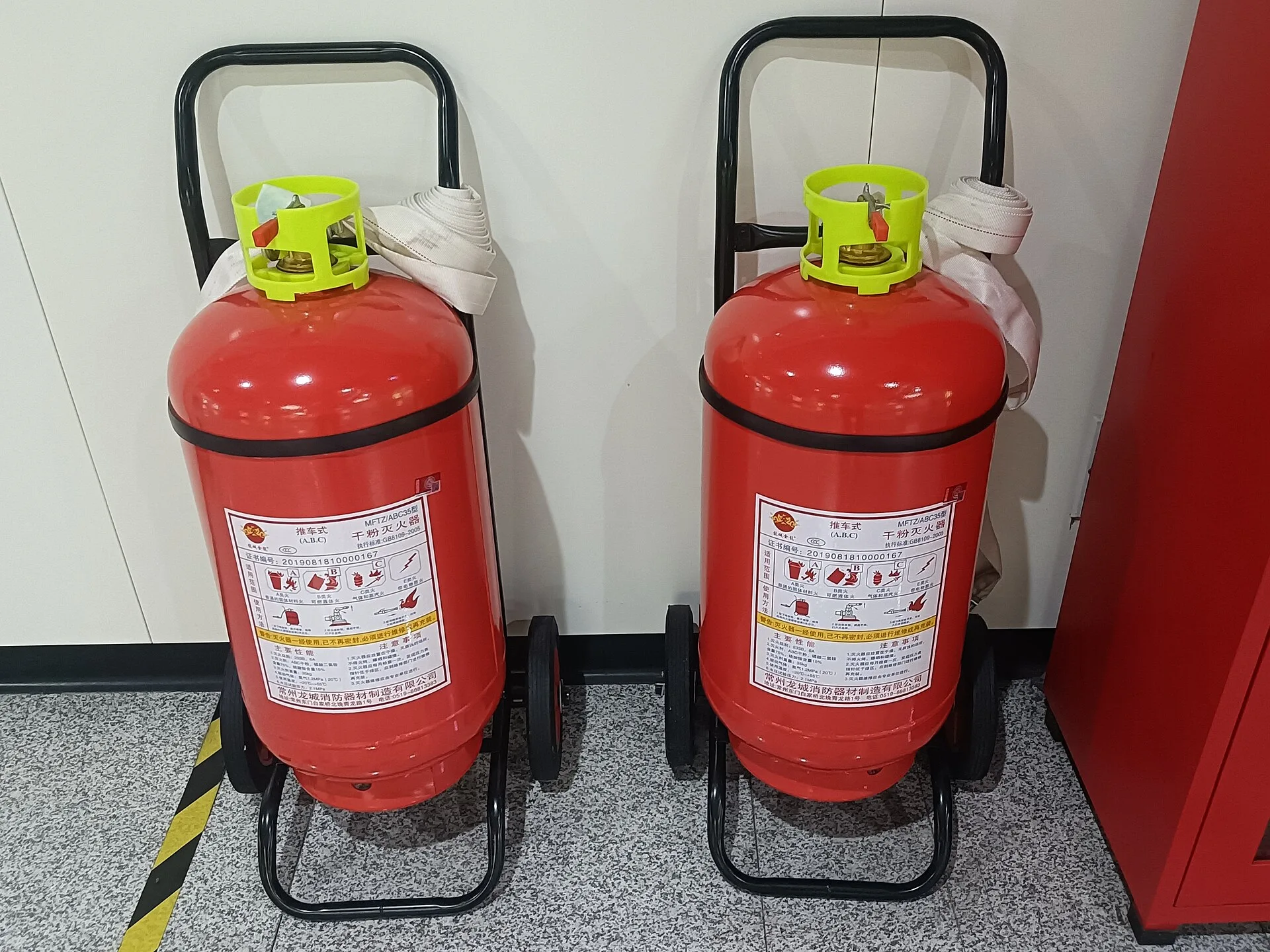
Identify the fuels and fire classes present: solids (A), liquids (B), gases (C), metals (D), electrical equipment and cooking oils (F). This determines extinguisher types, foam and suppression agents.
Ask for certifications such as EN 3-7, EN 54 or UL listings, and check local civil defence approval requirements before ordering.
High temperatures, dust and humidity affect equipment. Check the operating temperature range of extinguishers, detectors and batteries, and use outdoor cabinets for sun and sand protection.
Extinguisher spacing, detector coverage and emergency lighting levels depend on the design standard. Use a competent designer for systems.
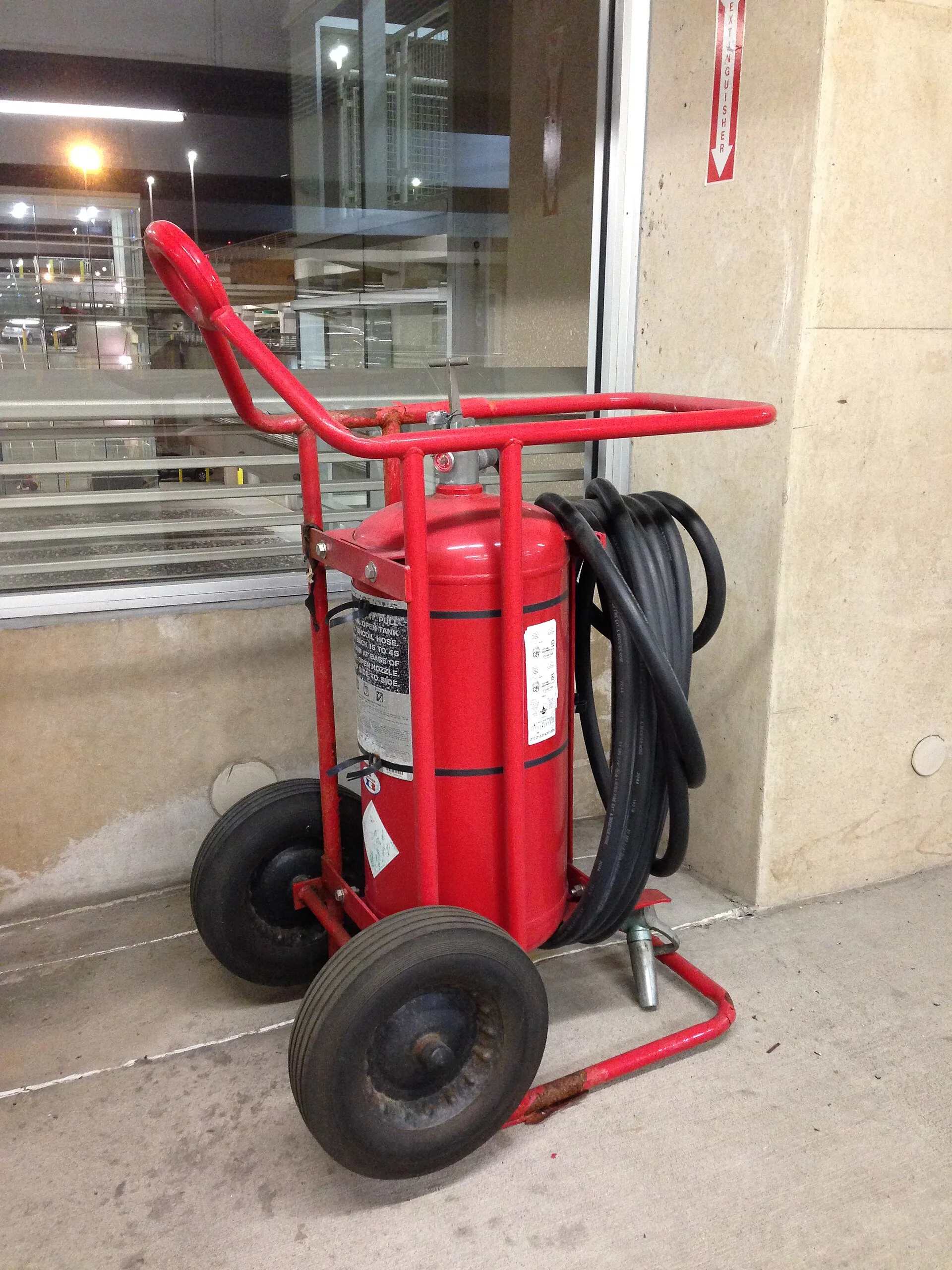
Plan routine inspections and servicing (e.g. monthly visual checks and annual maintenance for extinguishers under NFPA 10, regular alarm testing). Keep records for audits.
Showing 1–7 of 7 products
Made to orderFeatured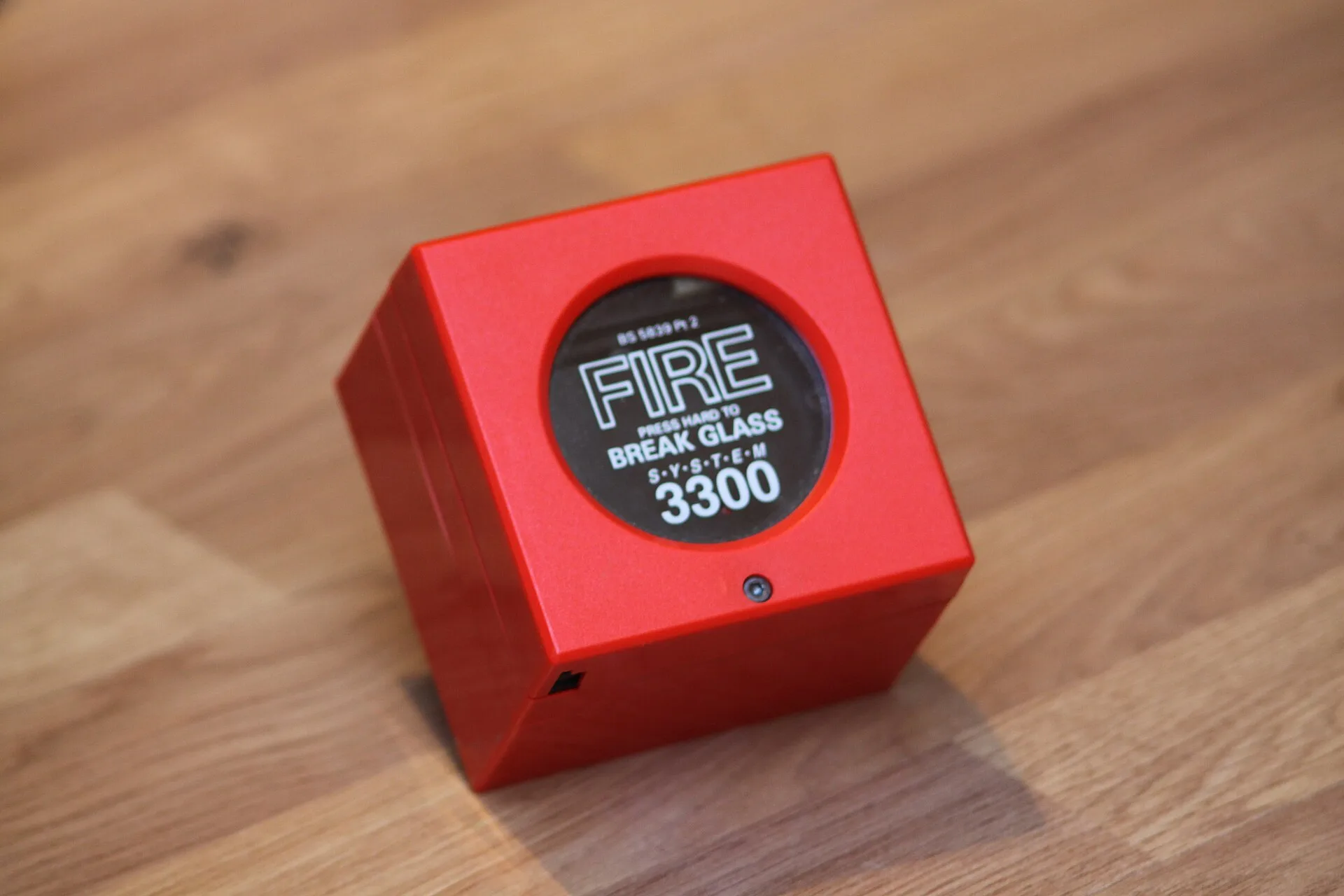
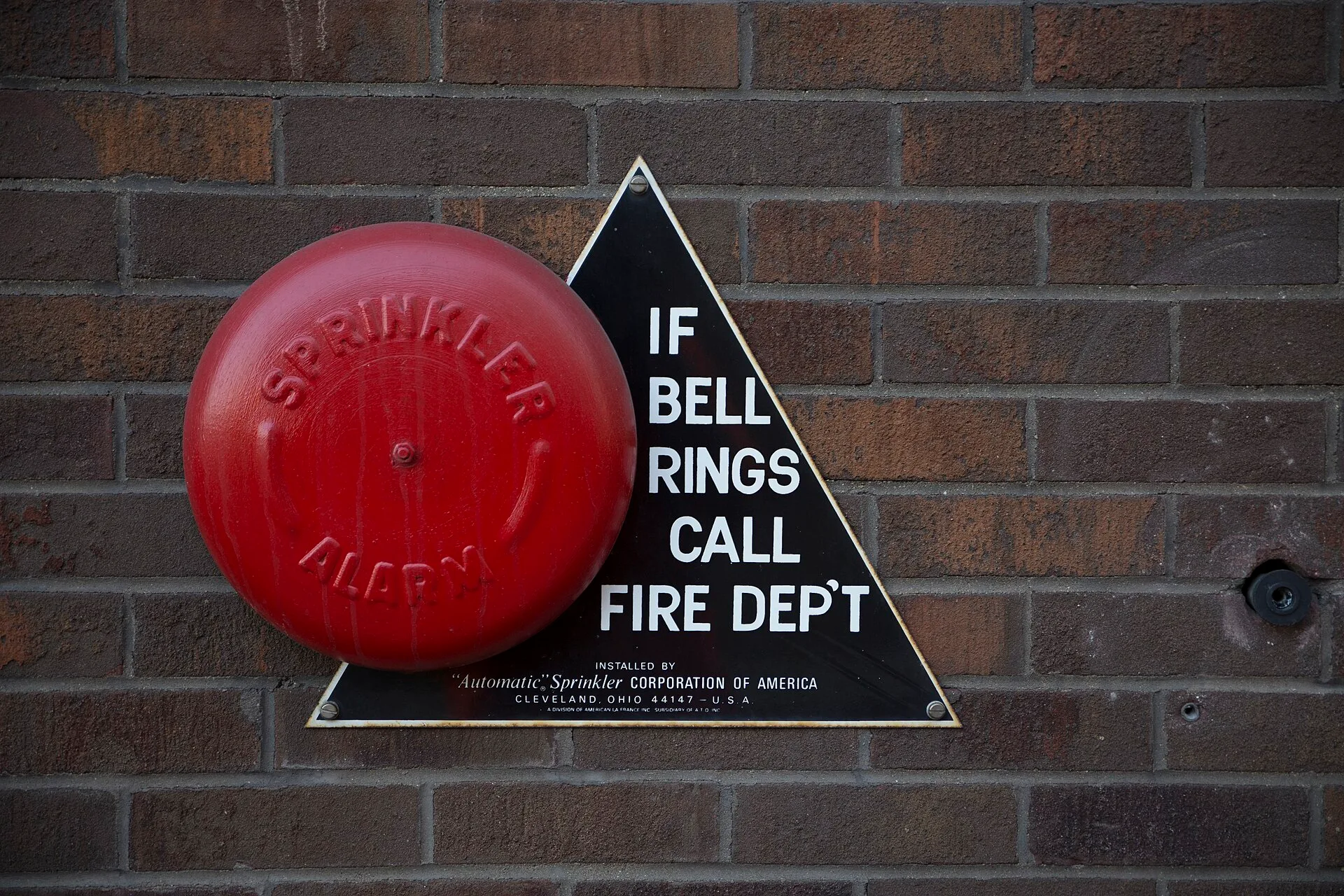
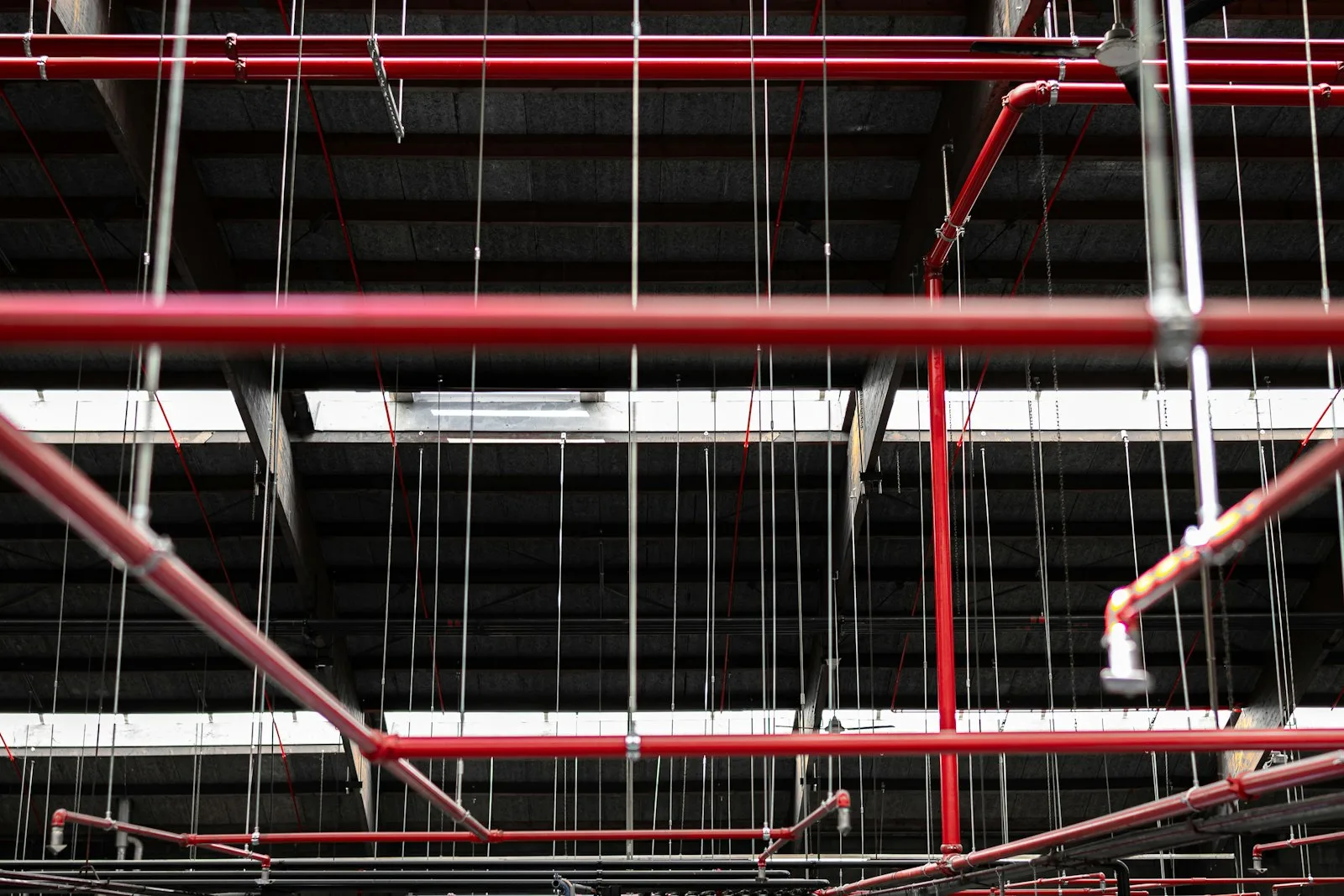
Fire SuppressionFF-SP-404
ISO 14520 · NFPA 2001
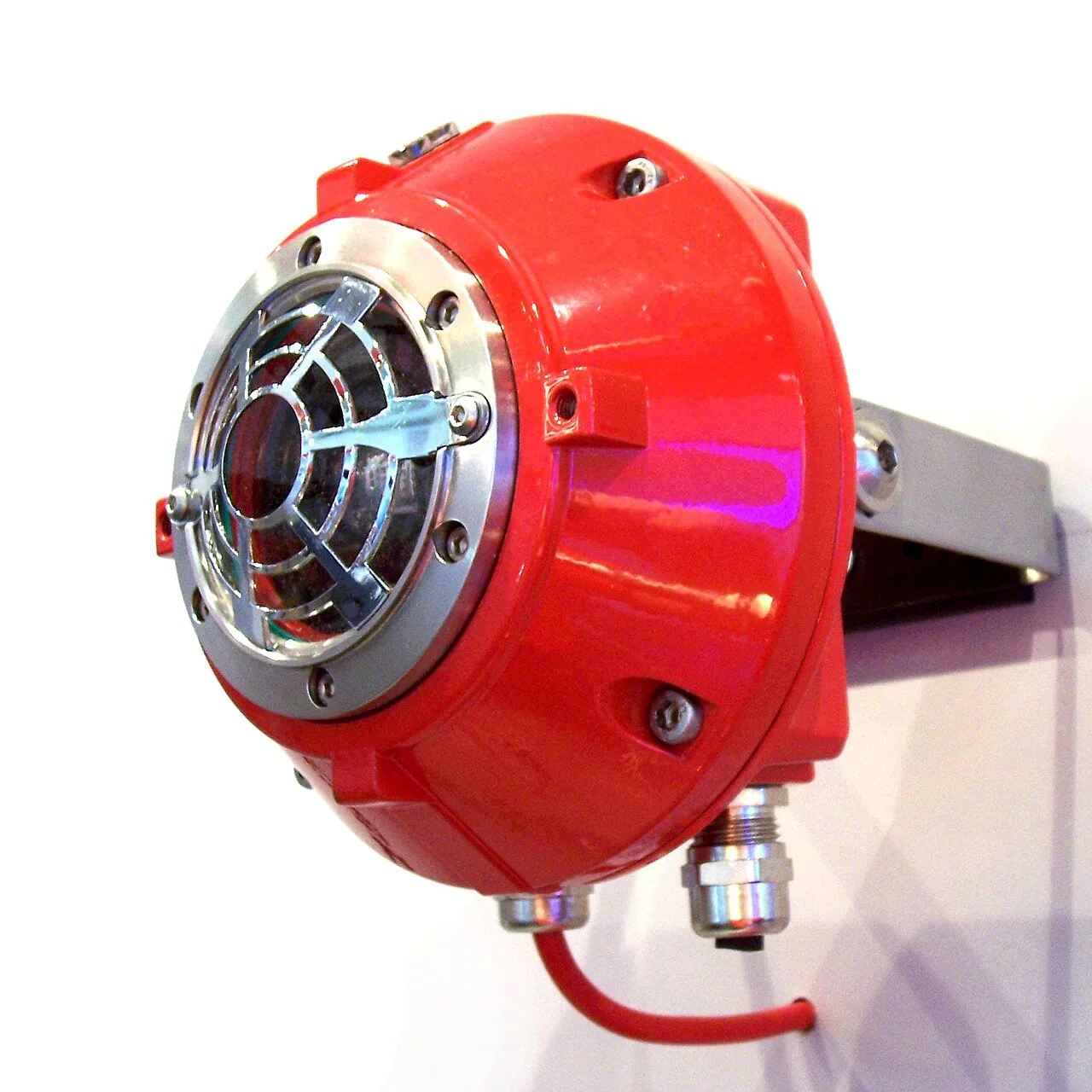
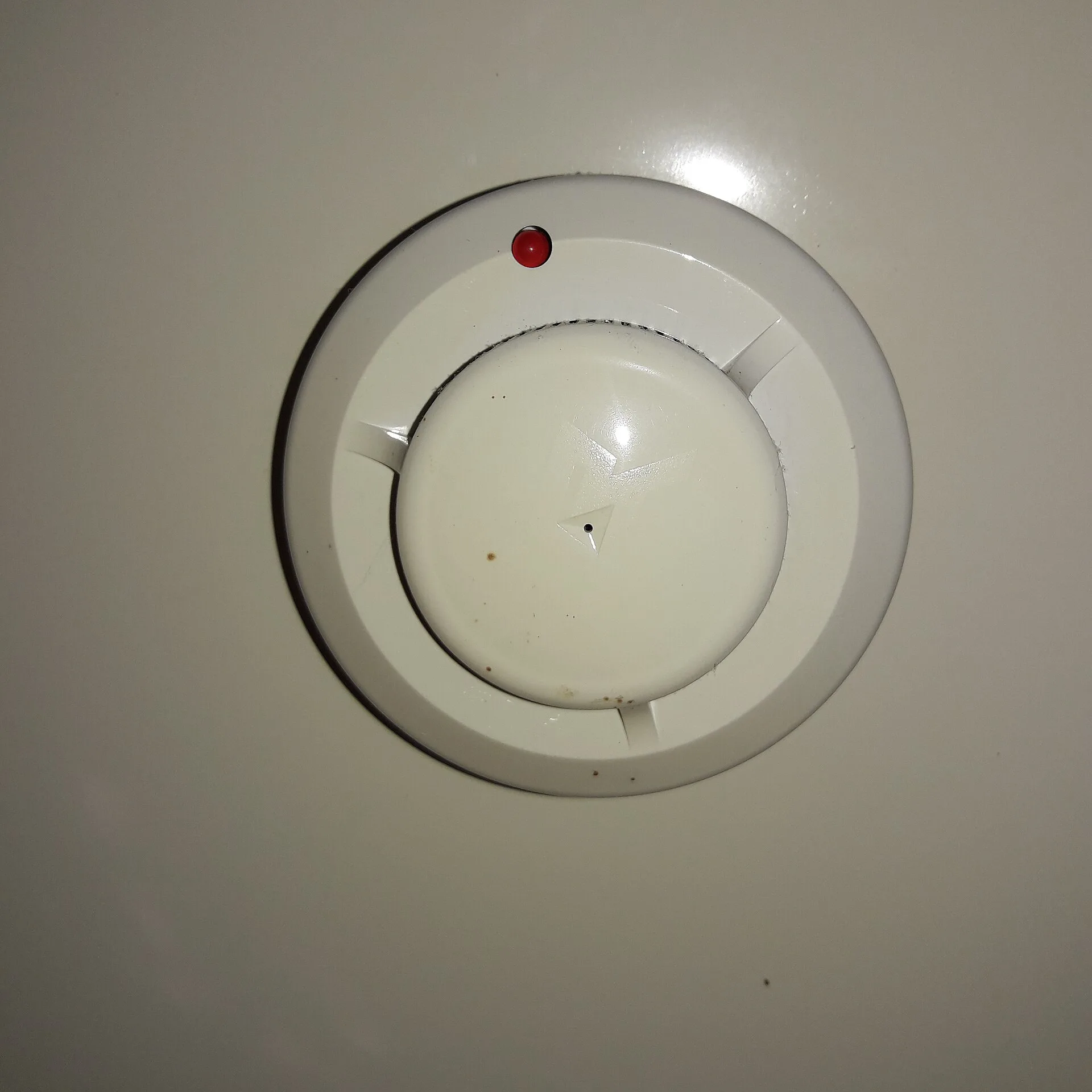
Fire Detection & AlarmFF-FA-503
EN 54-10 · ATEX/IECEx