

Personal Protective Equipment
Buying guide
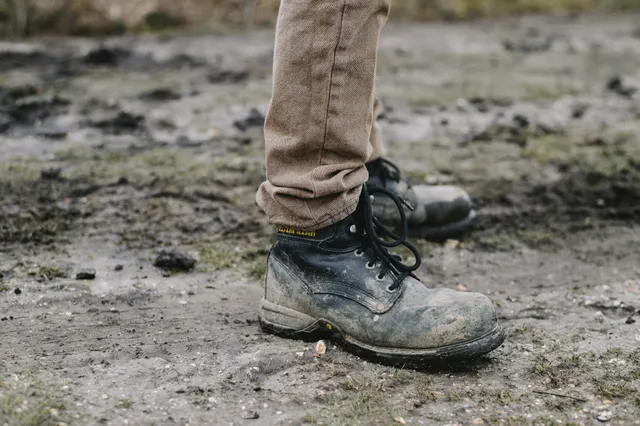
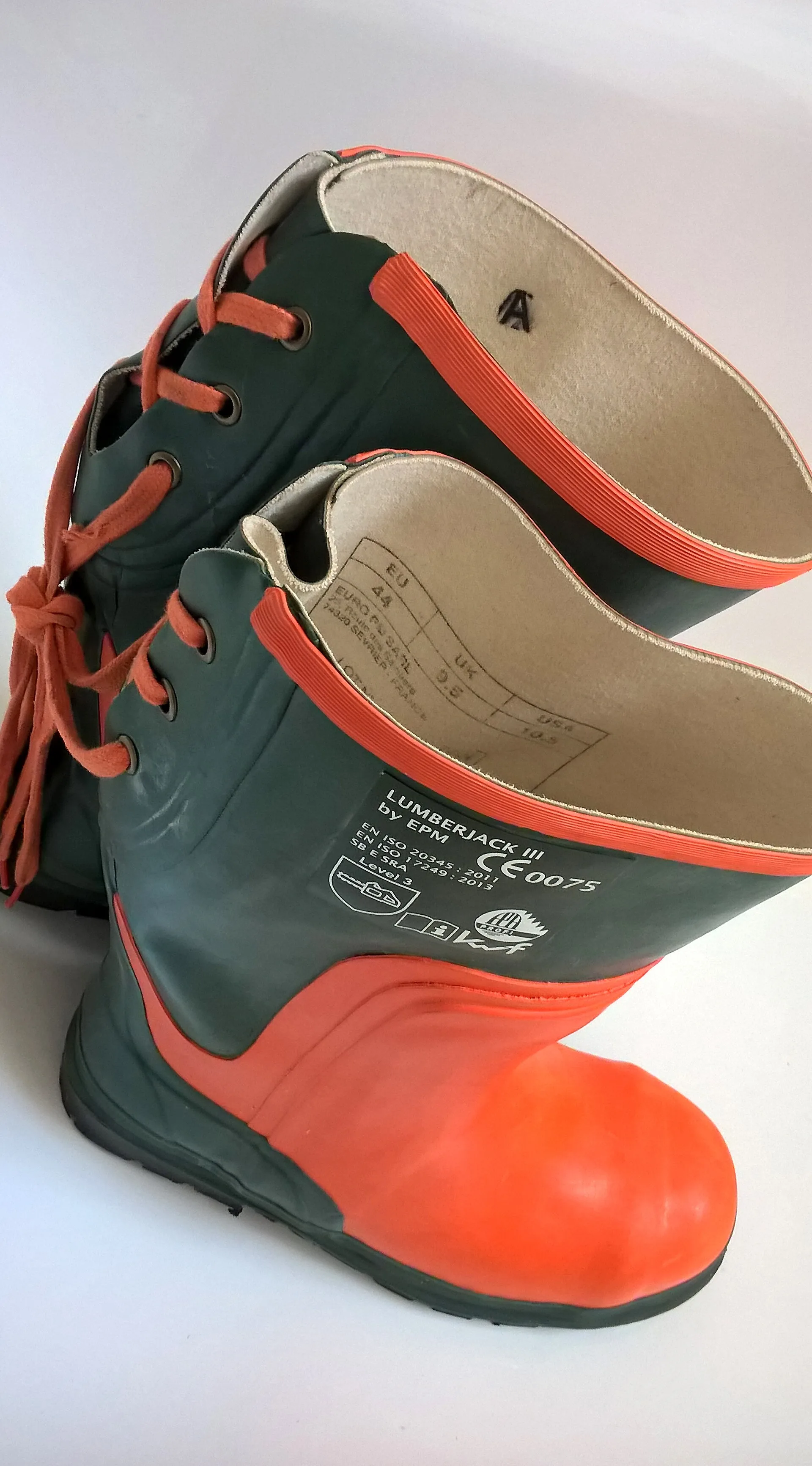
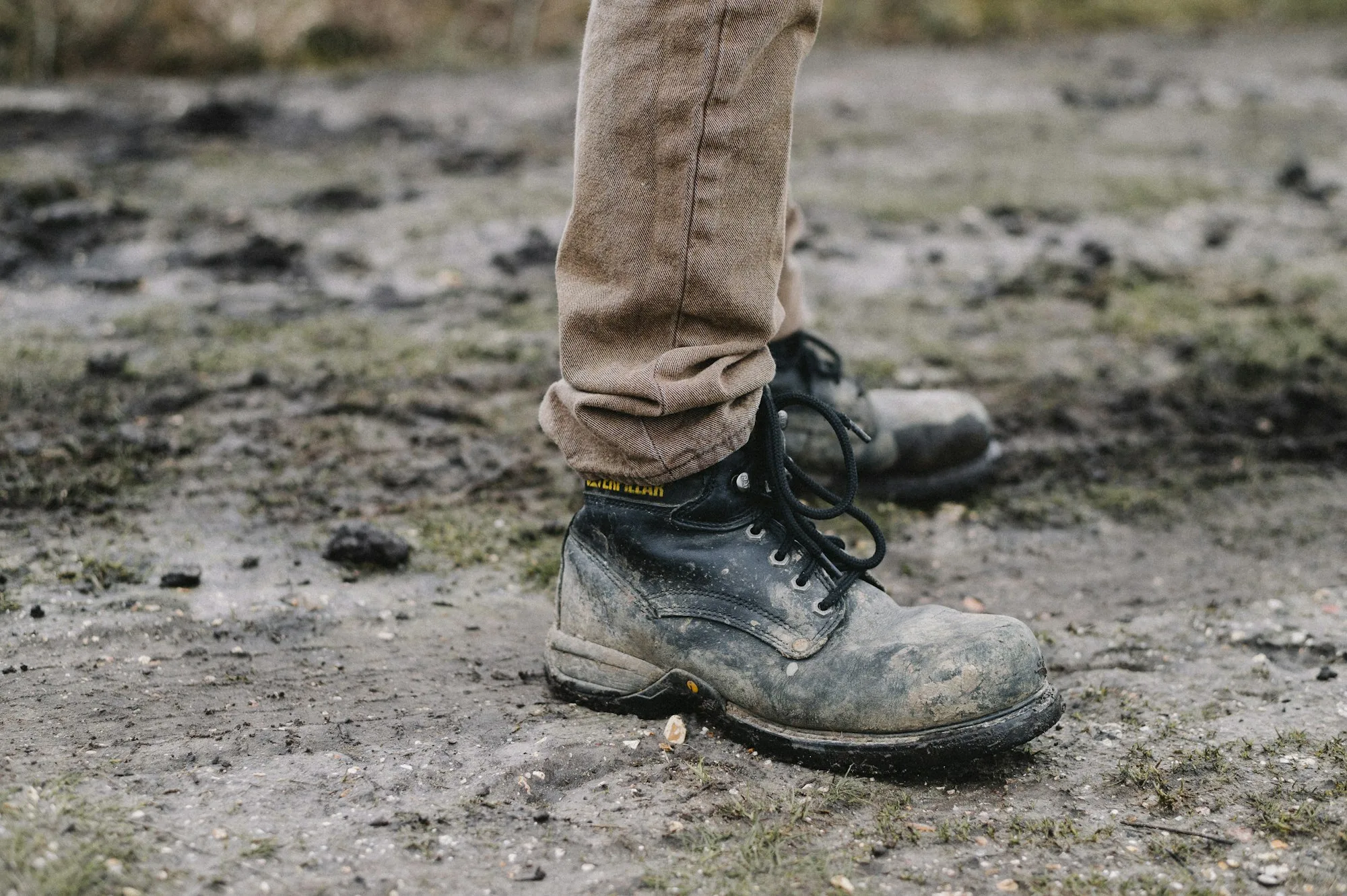
Safety footwear must protect against crushing, penetration, slips and site-specific hazards while being comfortable for a full shift. EN ISO 20345 classes such as S1P, S3 and S5 summarise the main protective features.
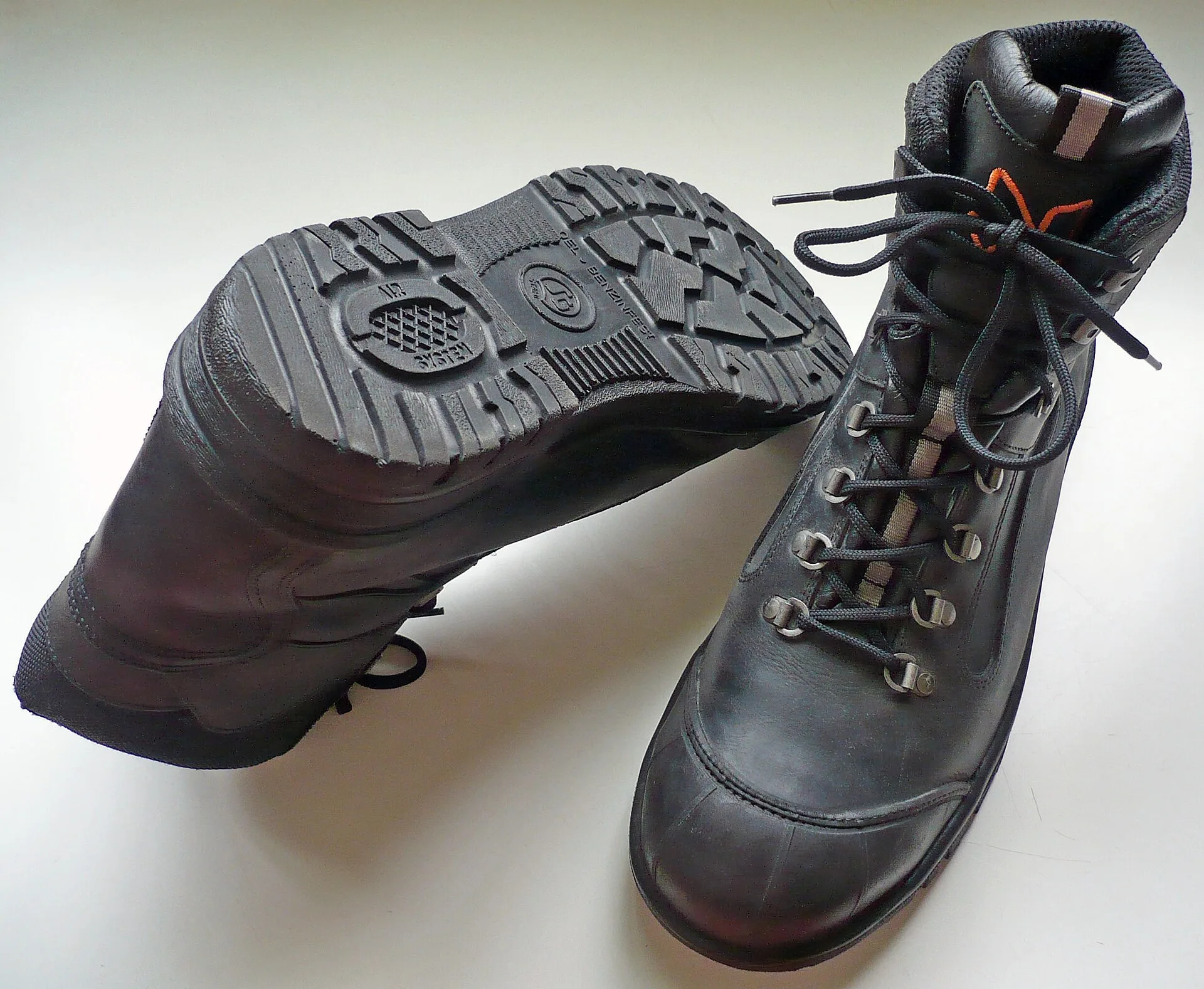
S1P suits dry indoor areas with nail or sharp-object risk. S3 adds water penetration resistance and a cleated sole for outdoor and construction sites. S5 (moulded rubber or PVC boots) suits wet, muddy or chemical areas.
Specify slip resistance (SR under EN ISO 20345:2022, or SRC under the 2011 edition) for oily, wet or polished floors, and match the sole pattern to the surface.
On sun-heated steel, asphalt or near hot work, specify HRO outsoles (resistant to 300 °C contact) and consider HI heat insulation. Breathable linings and lighter composite toecaps reduce heat and fatigue.
Antistatic footwear is standard in S1 and above. For electrical work, ASTM F2413 EH or insulating footwear may be required. For chemical handling, use EN 13832-3 boots.
Rigger boots are easy to put on but can come off in mud; lace-up or zip boots give better ankle support. Offer wide fittings and sizes for all workers to avoid foot problems.
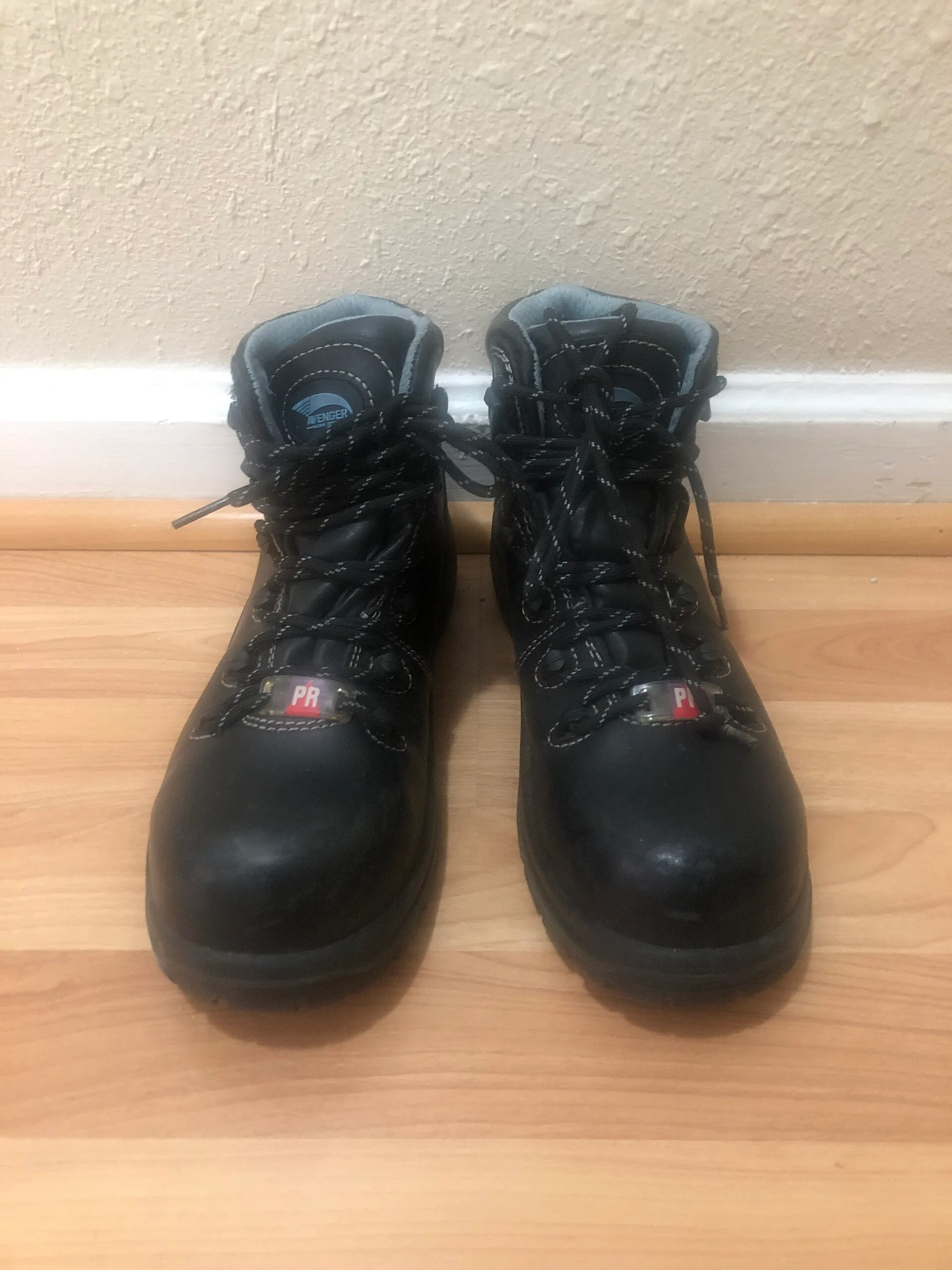
Foot ProtectionPPE-FT-606
EN ISO 20345 · EN 13832-3
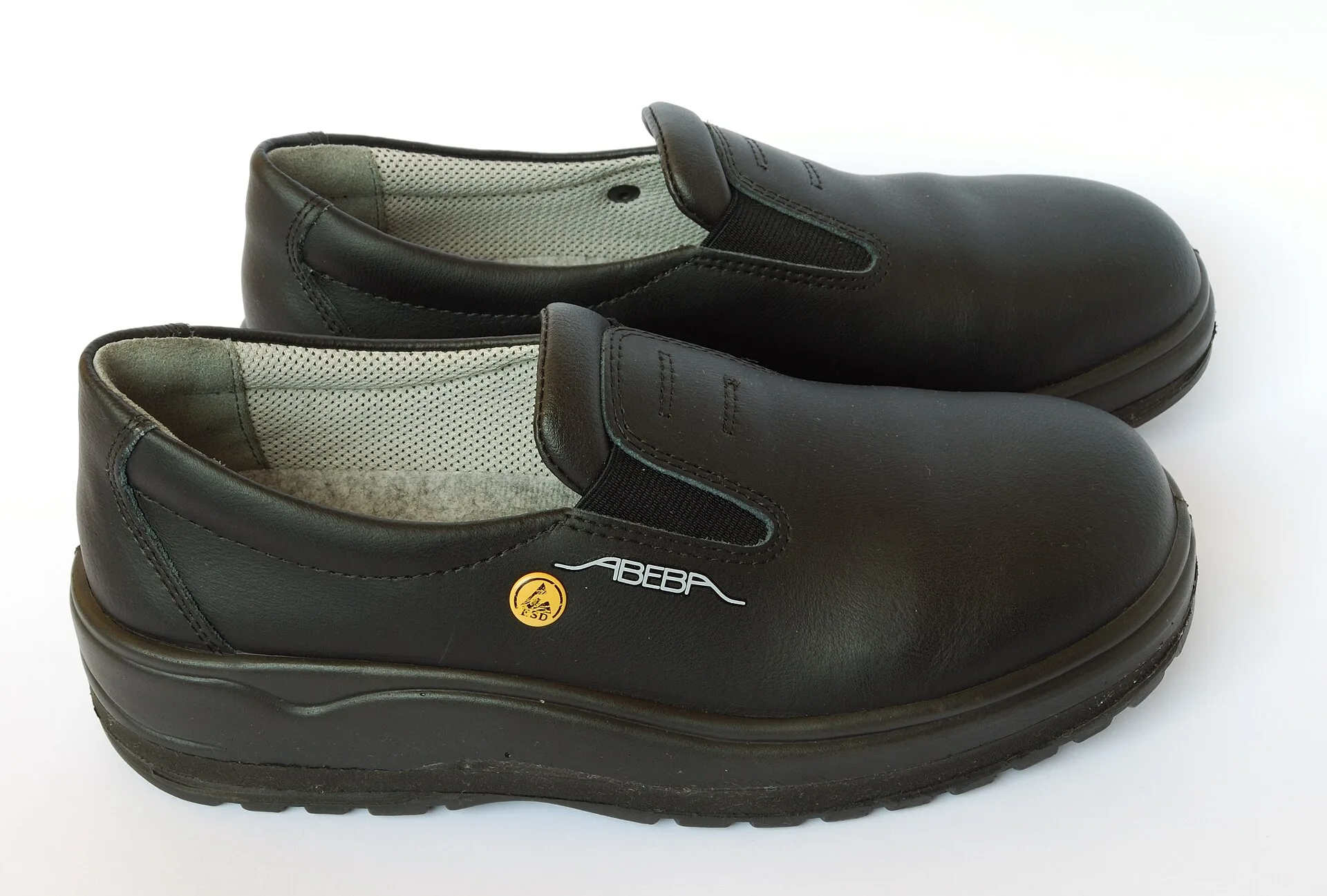
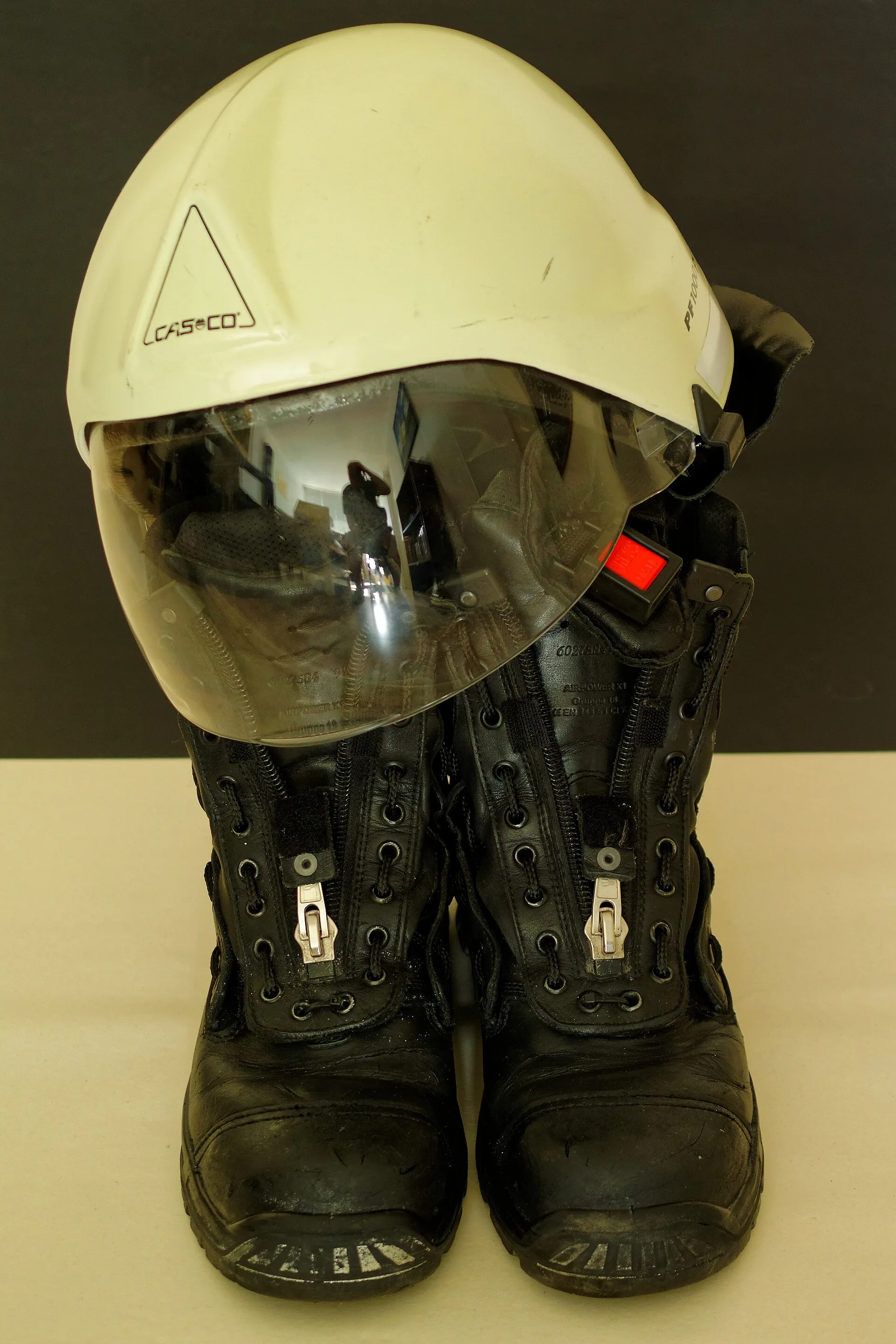
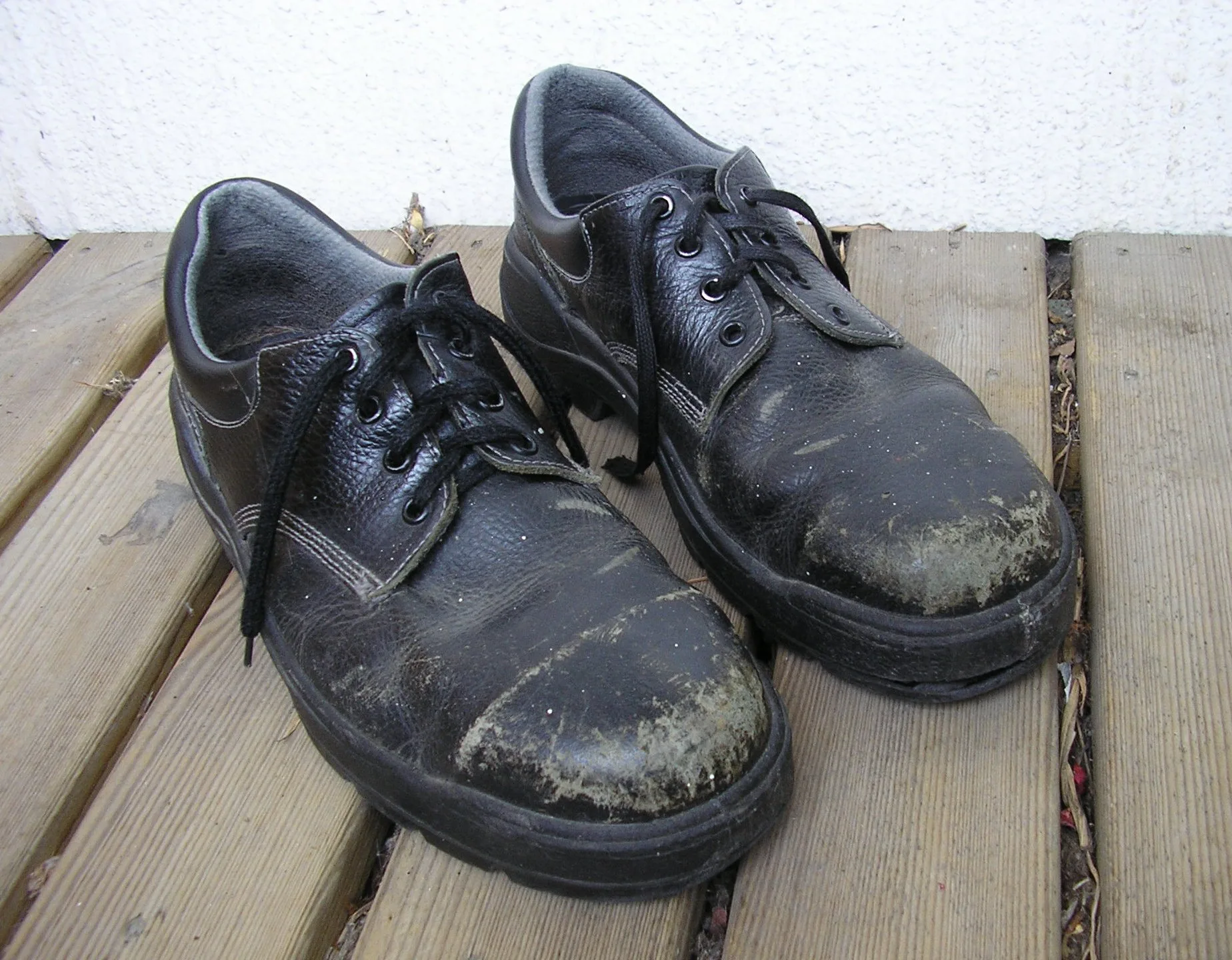
Foot ProtectionPPE-FT-607
EN ISO 20345
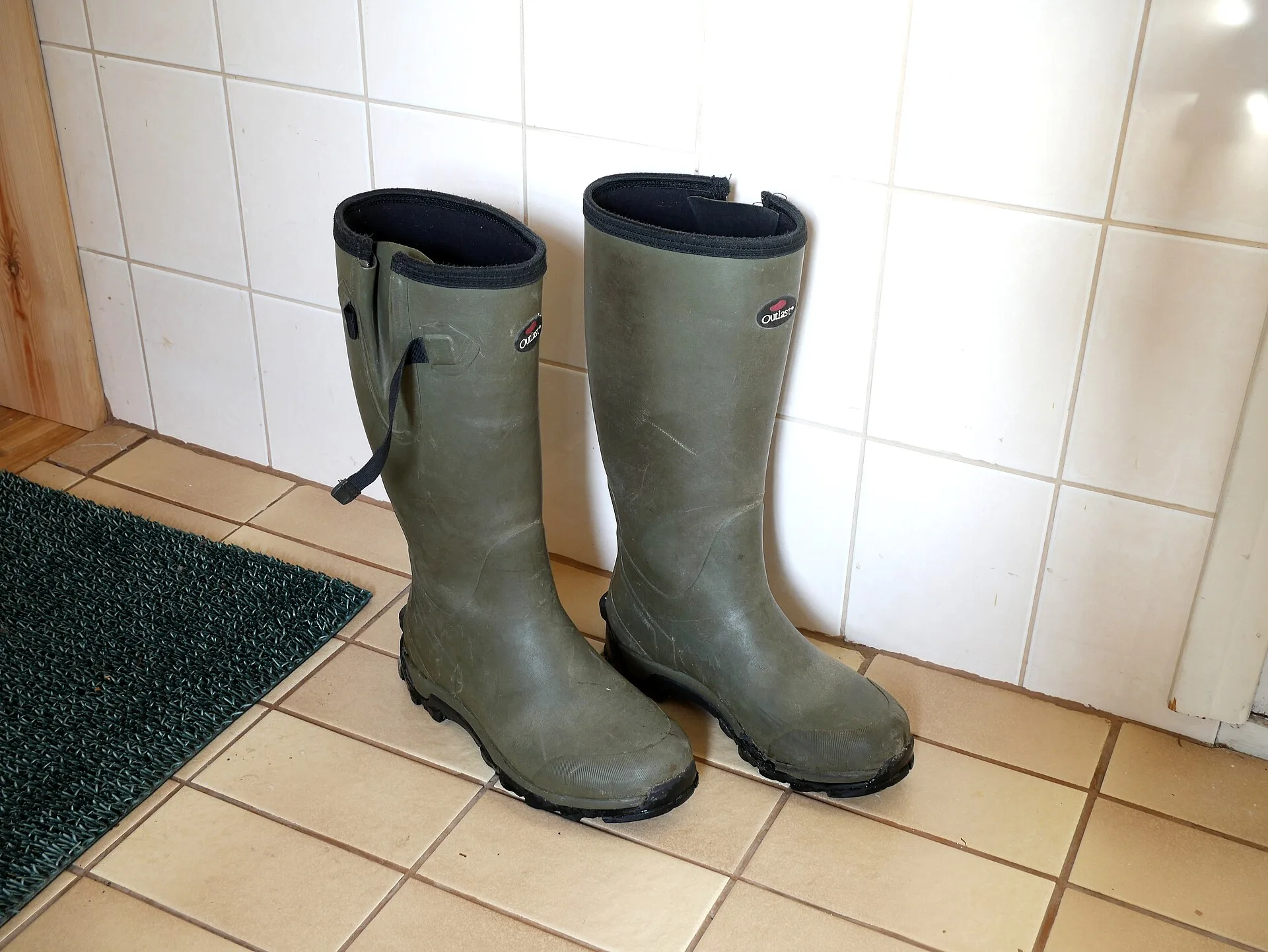
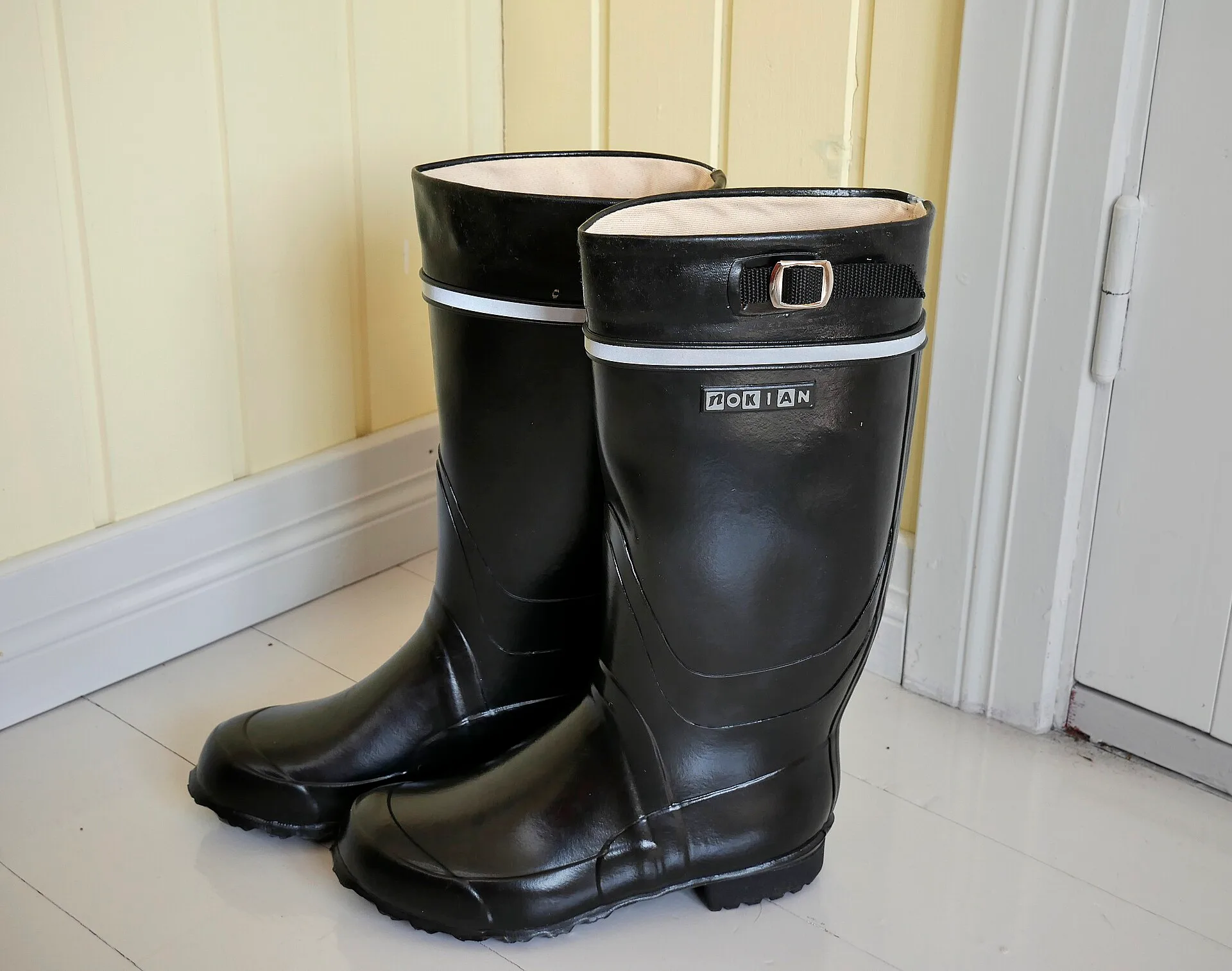
Replace footwear when soles are worn smooth, uppers are split, or the toecap is exposed or has taken a heavy impact. Heat and chemicals shorten sole life.