
Personal Protective Equipment
Buying guide
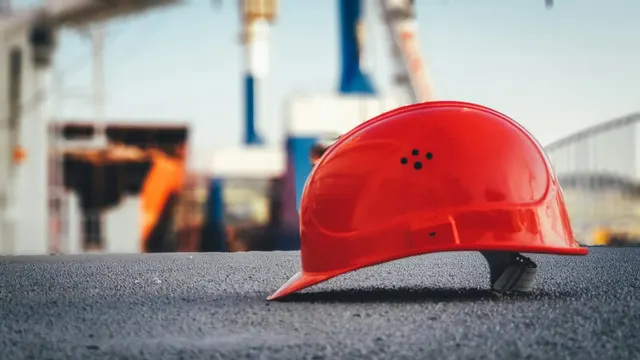
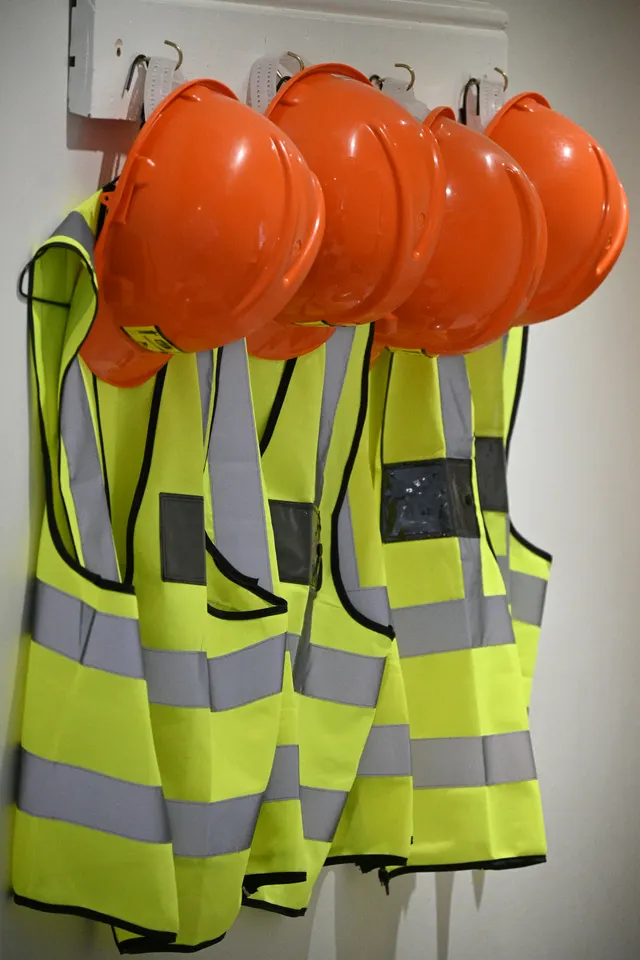
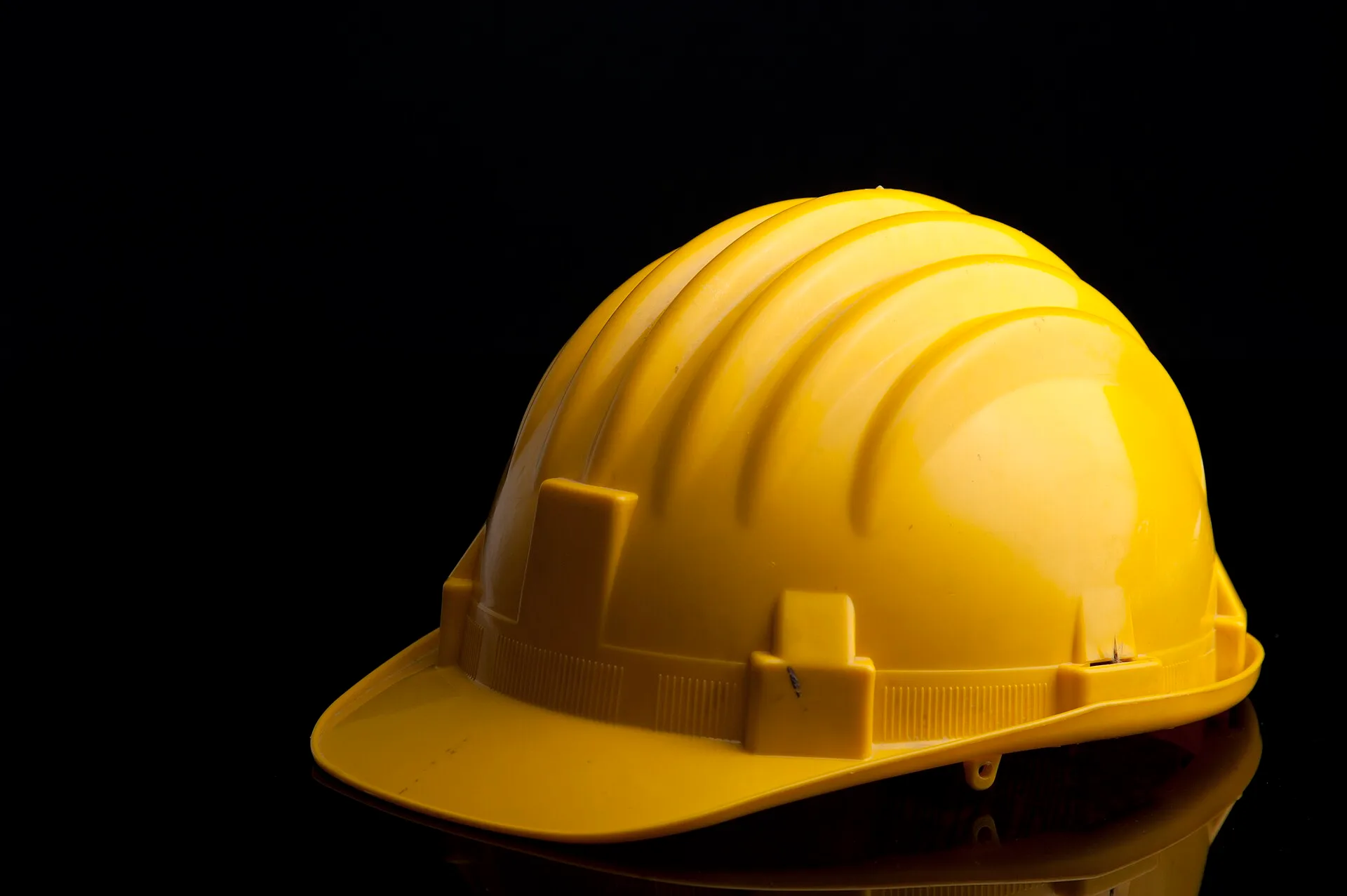
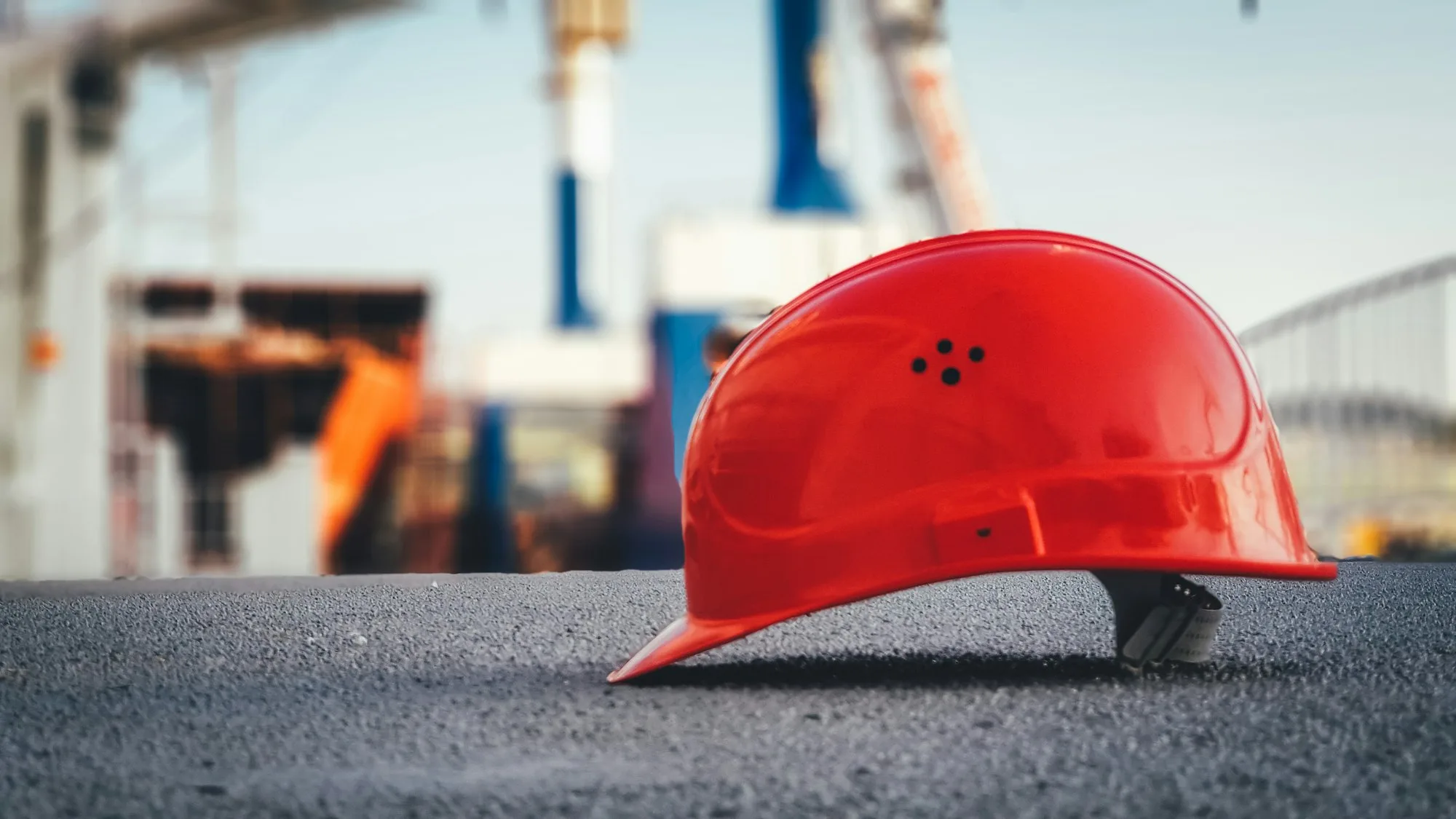
Safety helmets protect against falling objects and knocks to the head; the right model depends on the hazards, the work position and the climate. EN 397 is the baseline in most specifications, with ANSI/ISEA Z89.1 often added on US-specification projects.
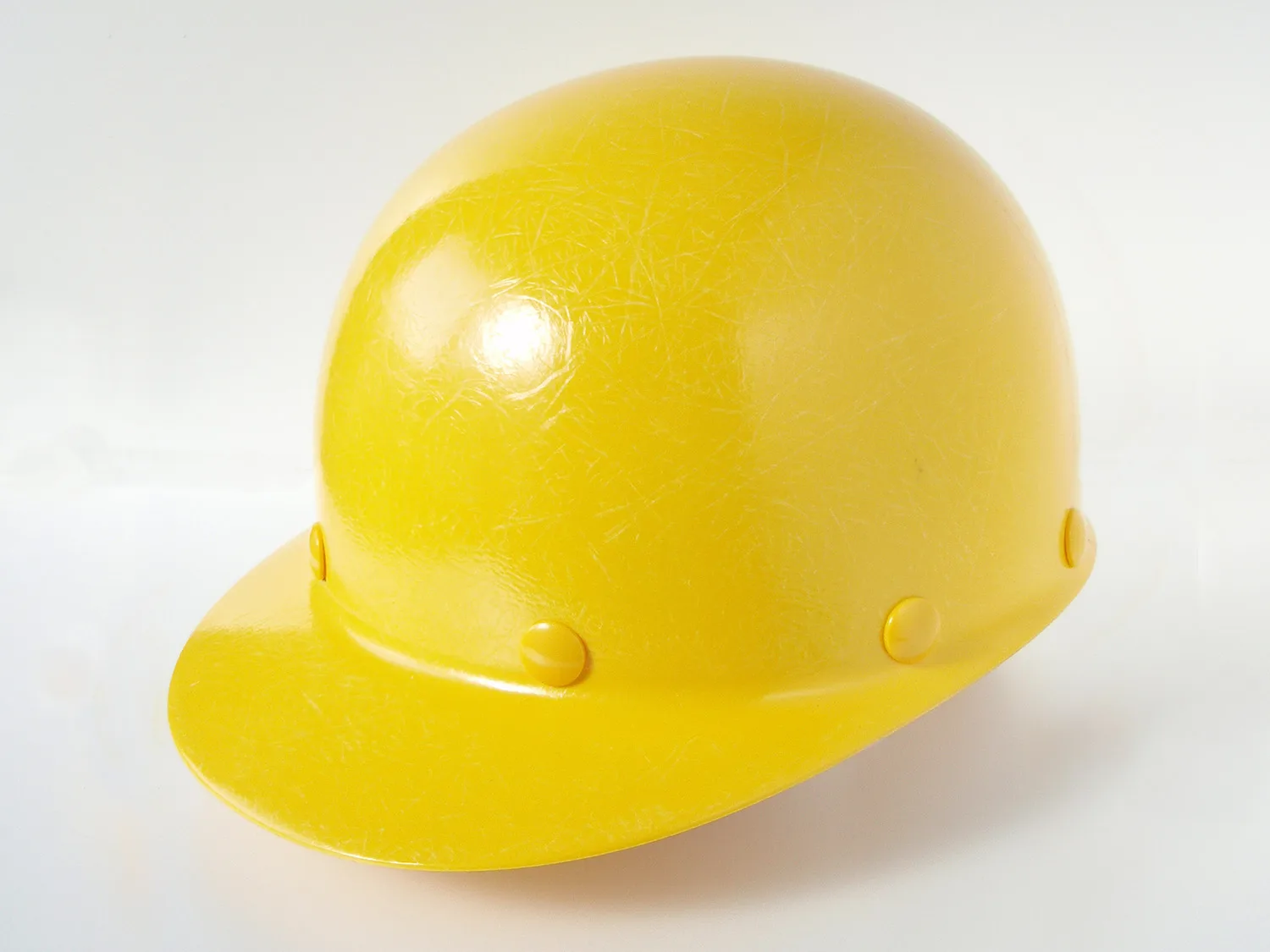
Use EN 397 helmets for general site work. Where lateral impacts or falls are possible, consider ANSI/ISEA Z89.1 Type II or a helmet that also meets EN 12492. Bump caps to EN 812 are only for low-clearance areas without falling-object risk.
For work on or near live low-voltage equipment, specify EN 50365 Class 0 non-vented helmets. The EN 397 440 V AC mark only covers brief accidental contact. Vented helmets do not give electrical protection.
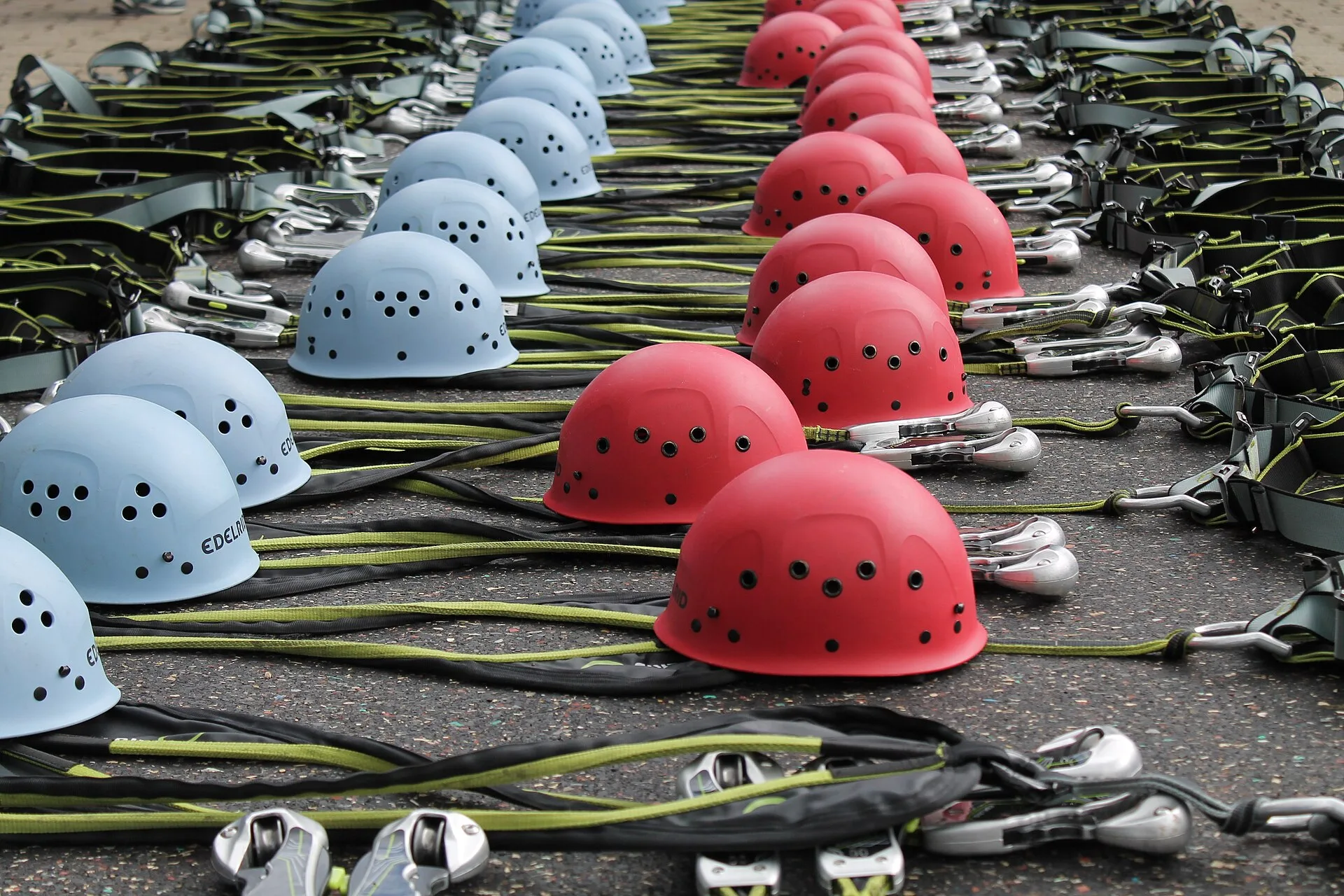
When working at height, the helmet must stay on during a fall. Specify a chin strap, ideally a 4-point strap on helmets meeting EN 12492 or similar, for scaffolders, riggers and rescue teams.
In hot climates, vented shells, textile suspensions with sweatbands and light colours (white reflects most heat) improve comfort. Full-brim helmets shade the face and neck. UV breaks down shell plastics, so store helmets out of direct sun, for example not on vehicle dashboards.
Head ProtectionPPE-HD-106
EN 397 · ANSI/ISEA Z89.1 Type
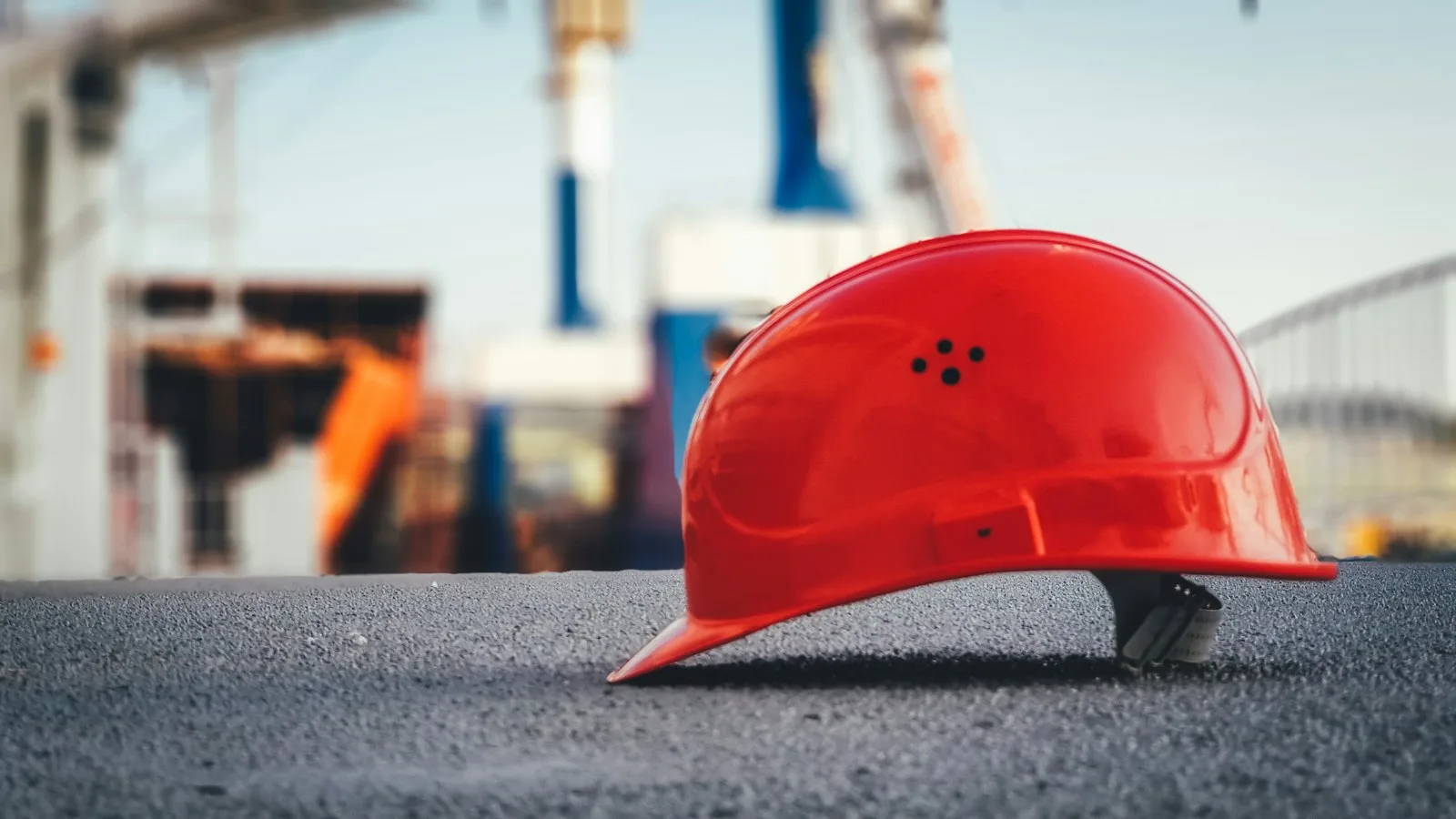
Head ProtectionPPE-HD-107
ANSI/ISEA Z89.1 Type · EN 397
Visors, earmuffs and lamps must be approved for the specific helmet model, usually through 30 mm accessory slots. Unapproved attachments can invalidate the certification.
Replace any helmet that has taken a significant impact, or shows cracks, chalking or brittleness. Follow the manufacturer's service life from the date of manufacture moulded inside the shell; harnesses usually need replacing more often than shells.