
 Featured
Catalog
Buying guide
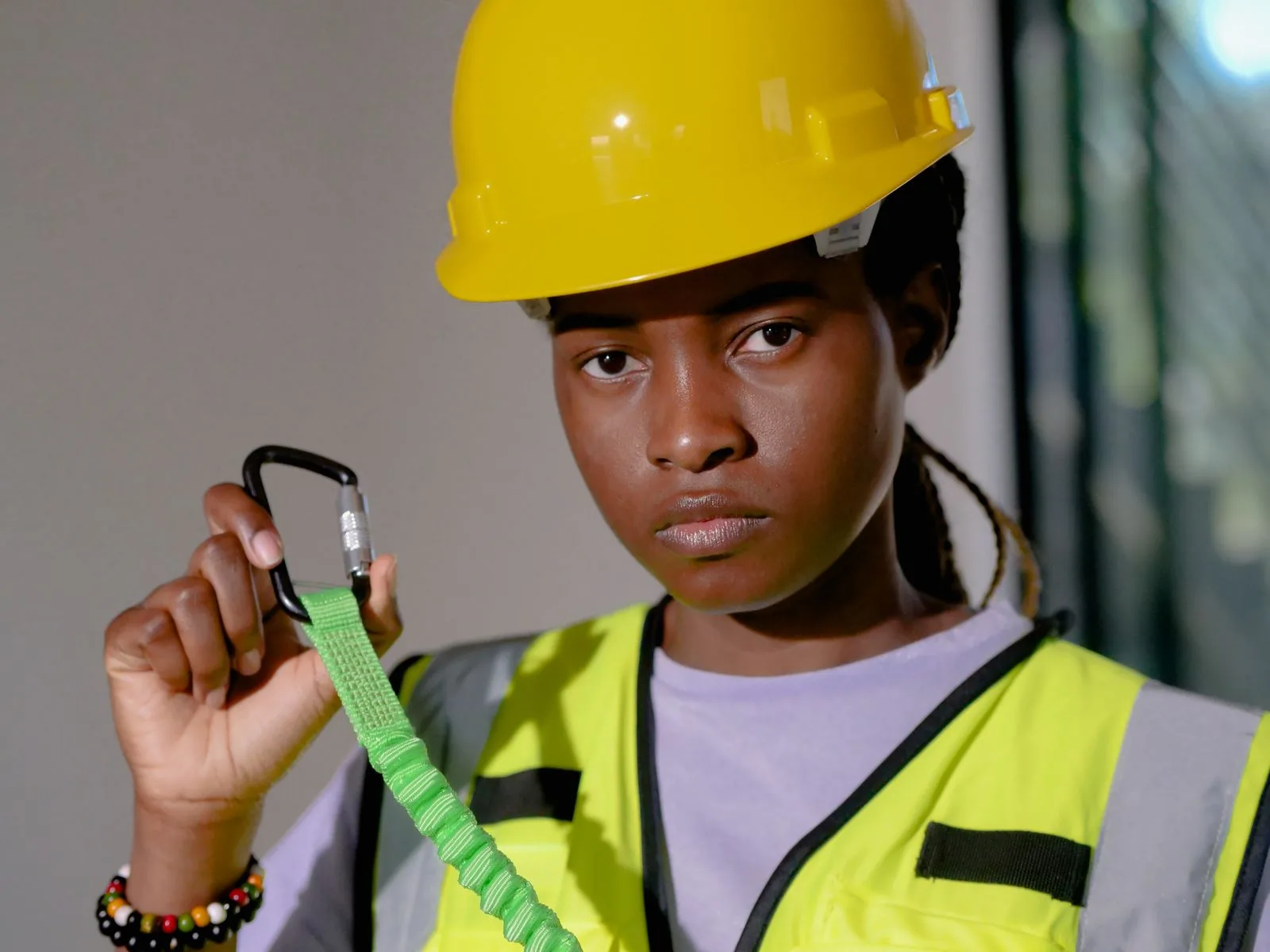
PPE is the last line of defence after elimination, substitution and engineering controls, so it must match the hazards identified in your risk assessment. Good specifications name the standard and performance class, not just the product type. On hot industrial sites, comfort and heat strain decide whether PPE is actually worn.
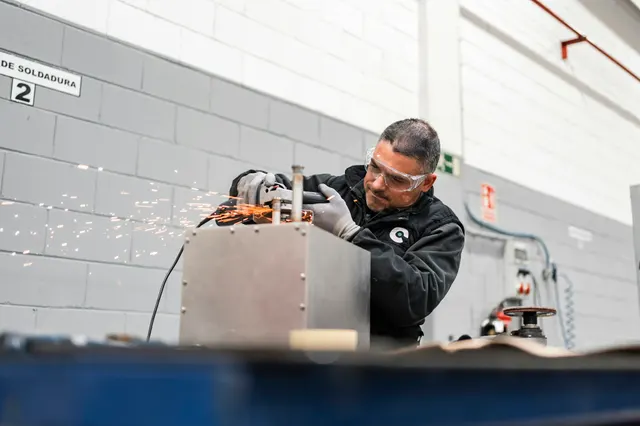
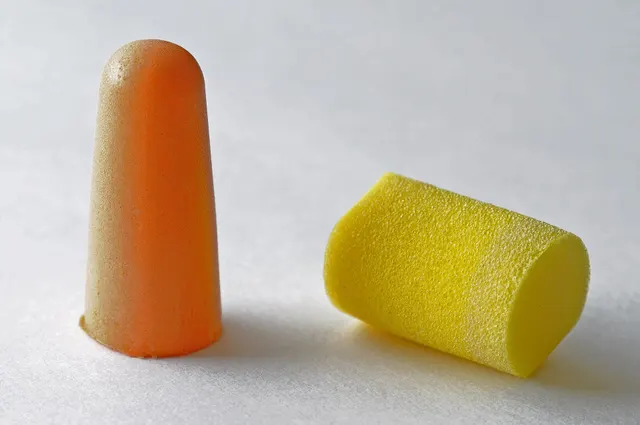
List the hazards for each task or work area (impact, cut, chemical, noise, dust, fall, heat, electrical) and select PPE that addresses each one. Avoid issuing one kit to everyone when tasks differ.
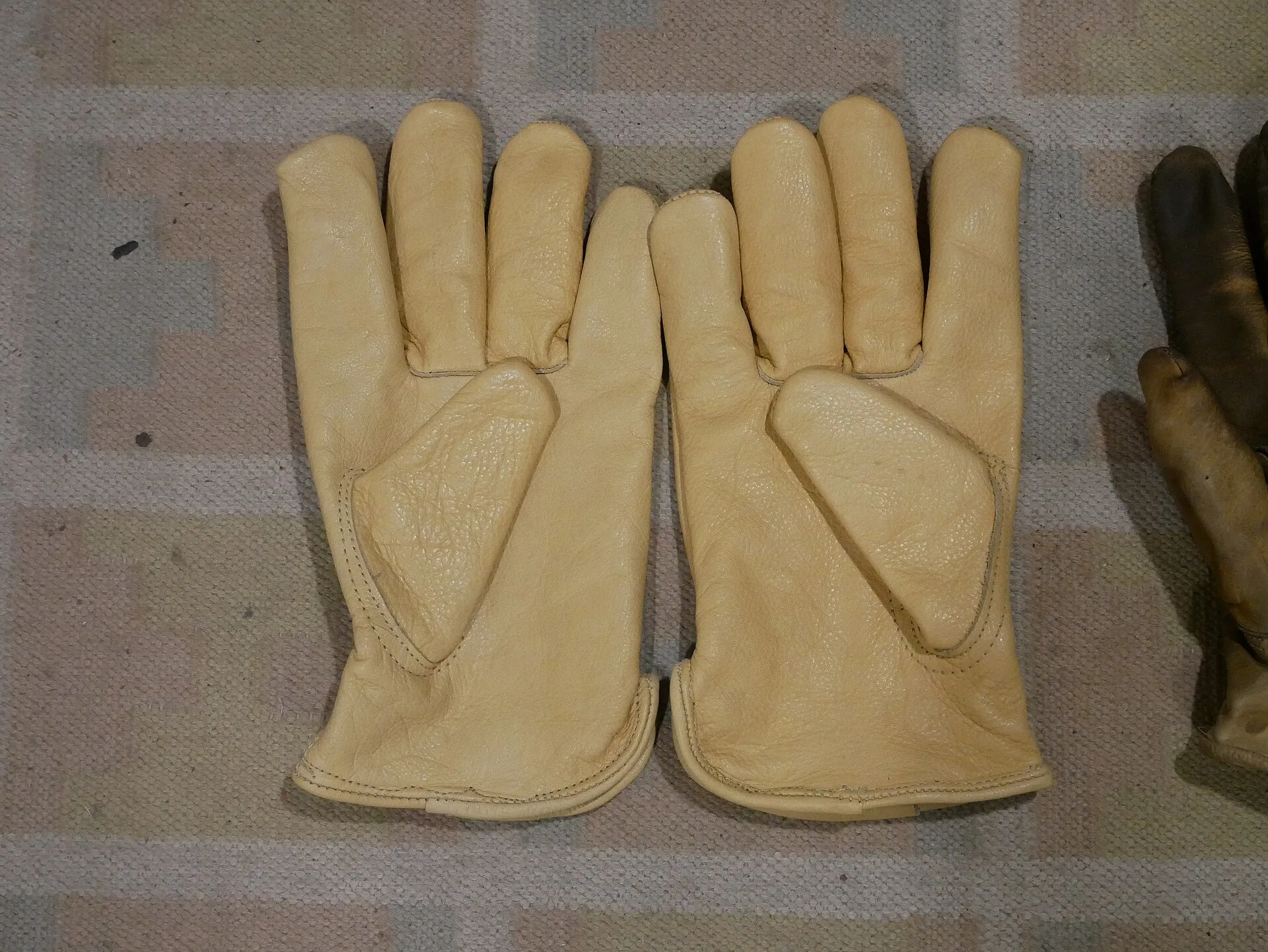
Quote the standard and the performance level you need, for example EN 388 cut level C, EN 149 FFP3 or EN ISO 20345 S3. Ask for the declaration of conformity and the notified body certificate for Category III items such as respirators, fall arrest and chemical gloves.
Items worn together must not reduce each other's protection: spectacles can break an earmuff seal, and helmet-mounted accessories must be approved for the specific helmet. Test combinations before bulk ordering.
In summer temperatures above 45 °C, choose ventilated, lightweight and breathable options where the risk allows, and consider UV exposure, which shortens the life of plastics and fabrics.
Showing 1–16 of 16 products
In stockFeatured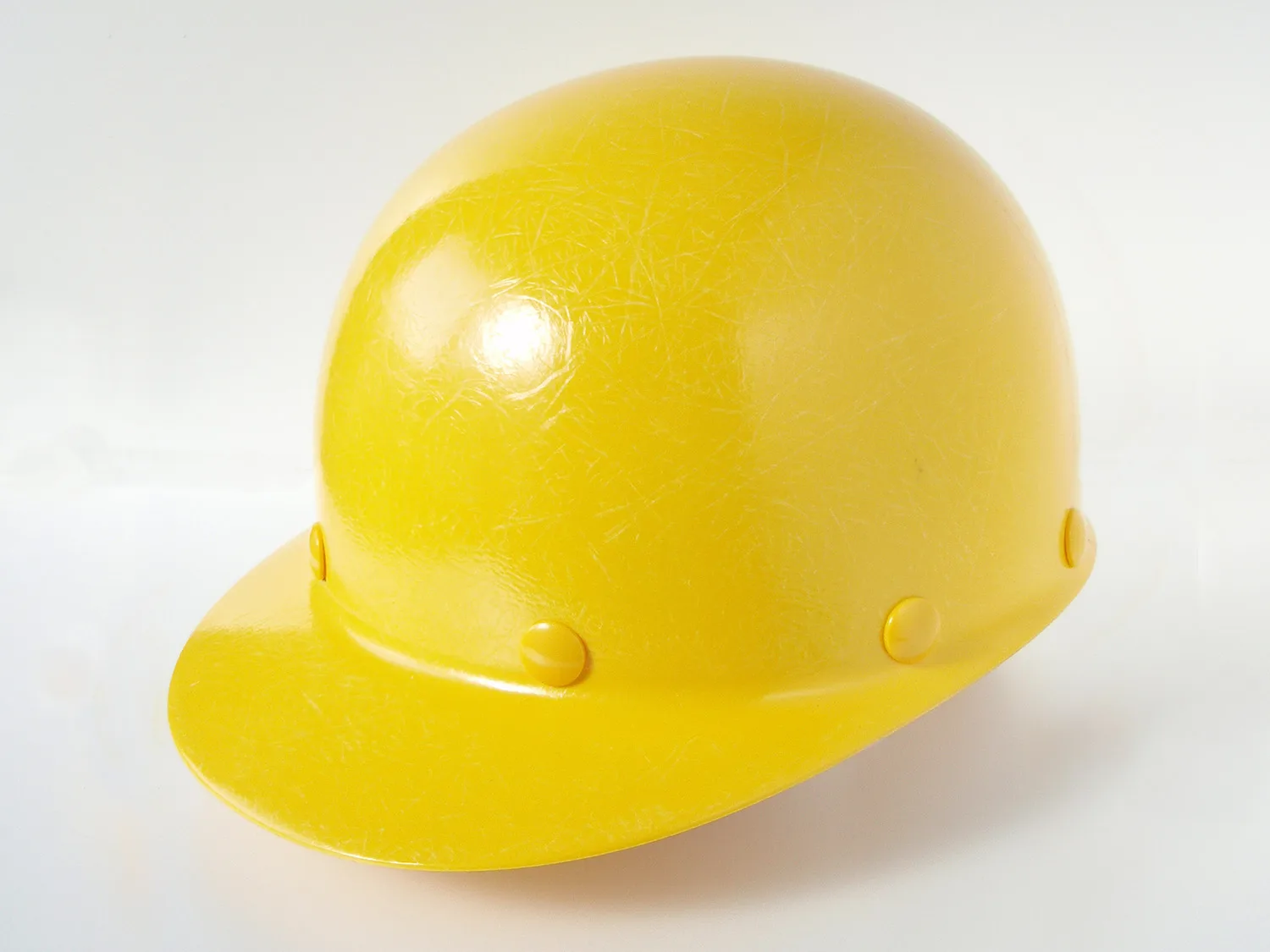

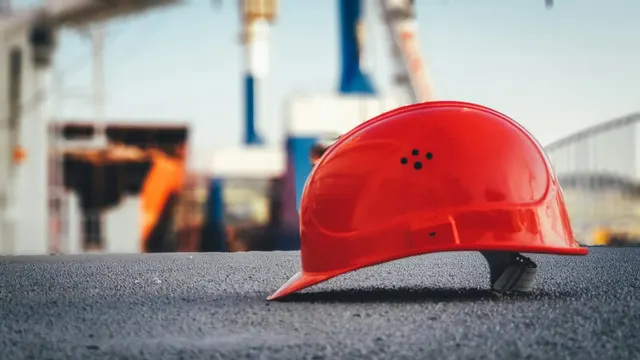
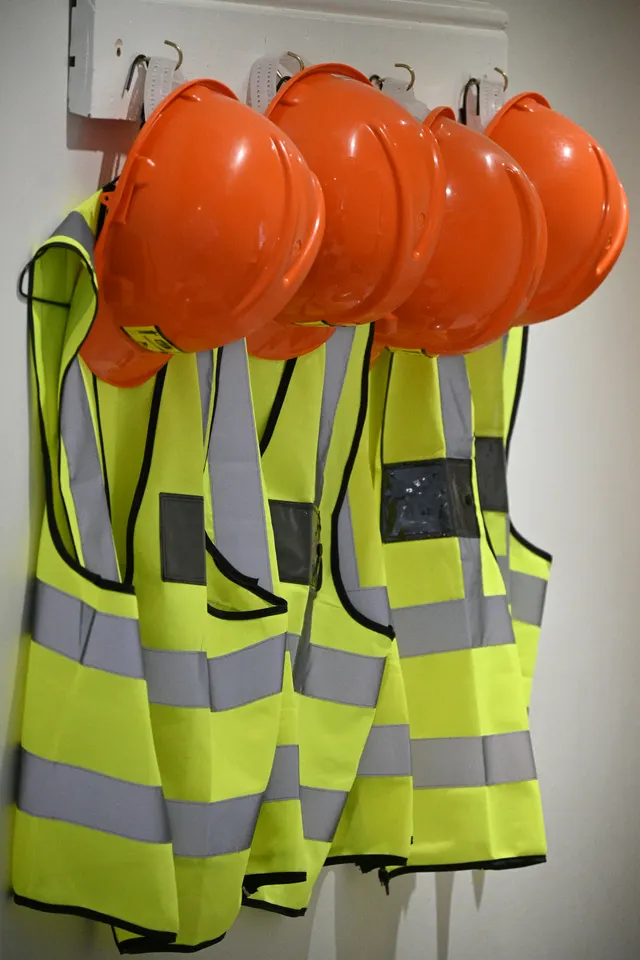
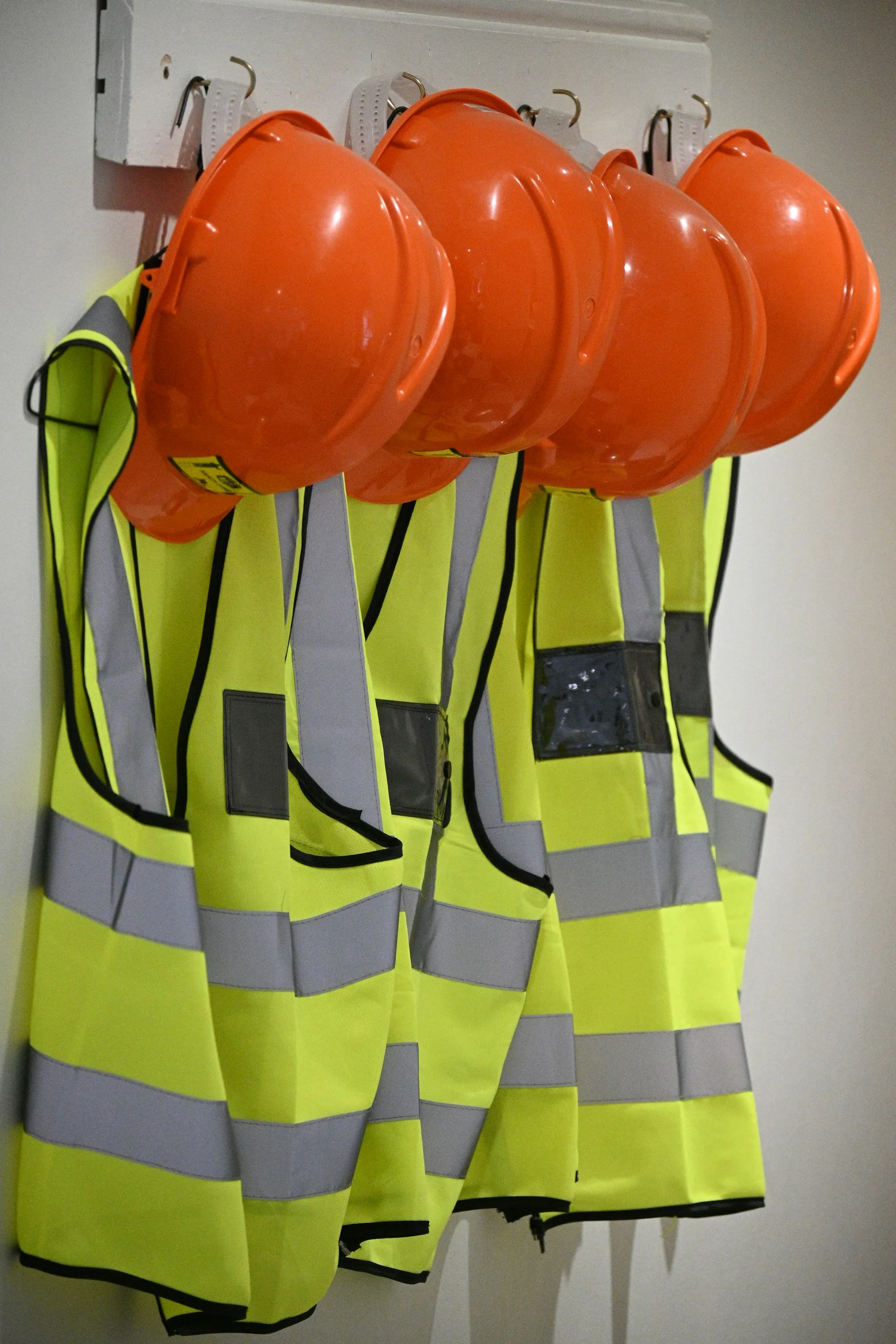
Head ProtectionPPE-HD-106
EN 397 · ANSI/ISEA Z89.1 Type

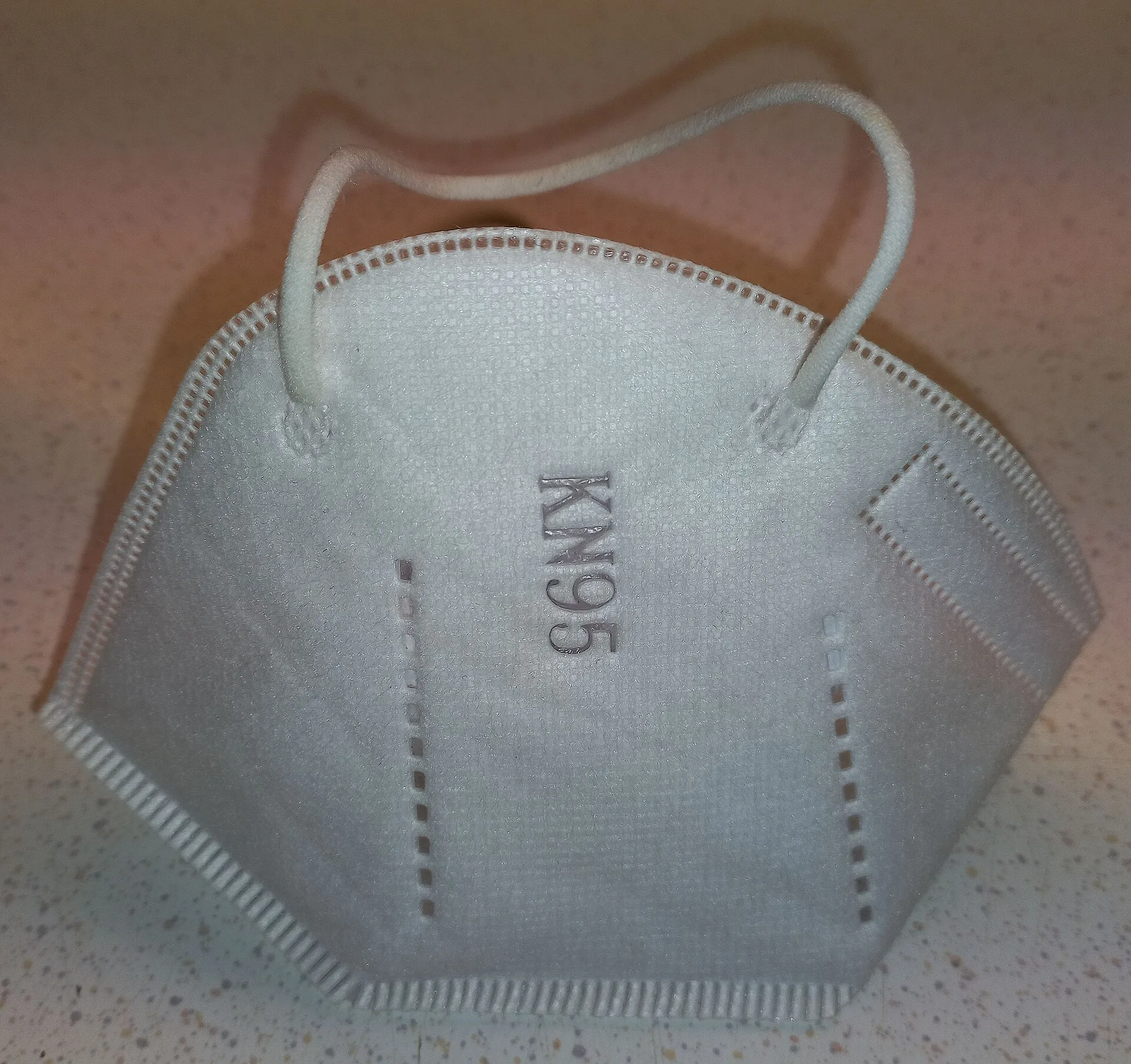
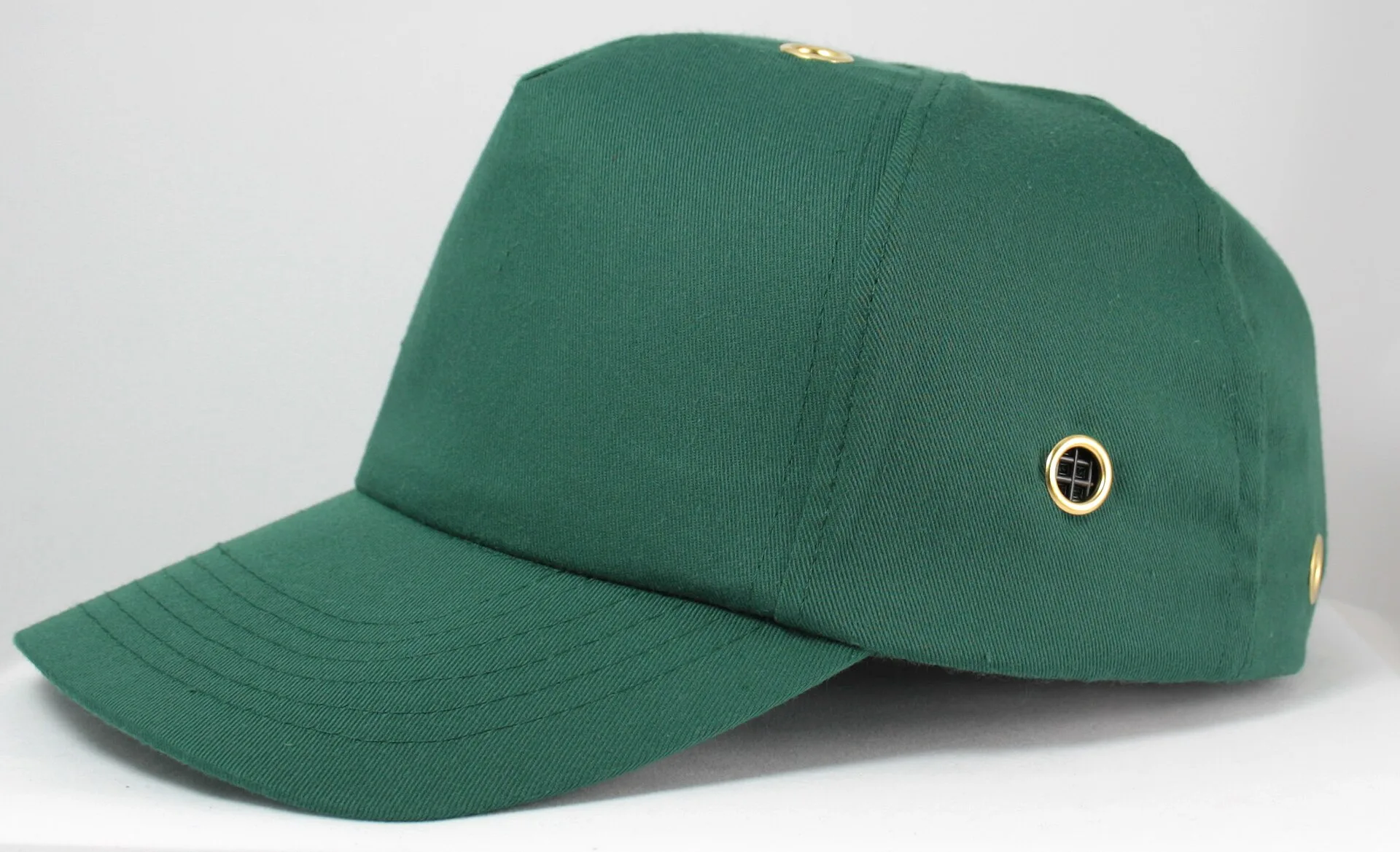
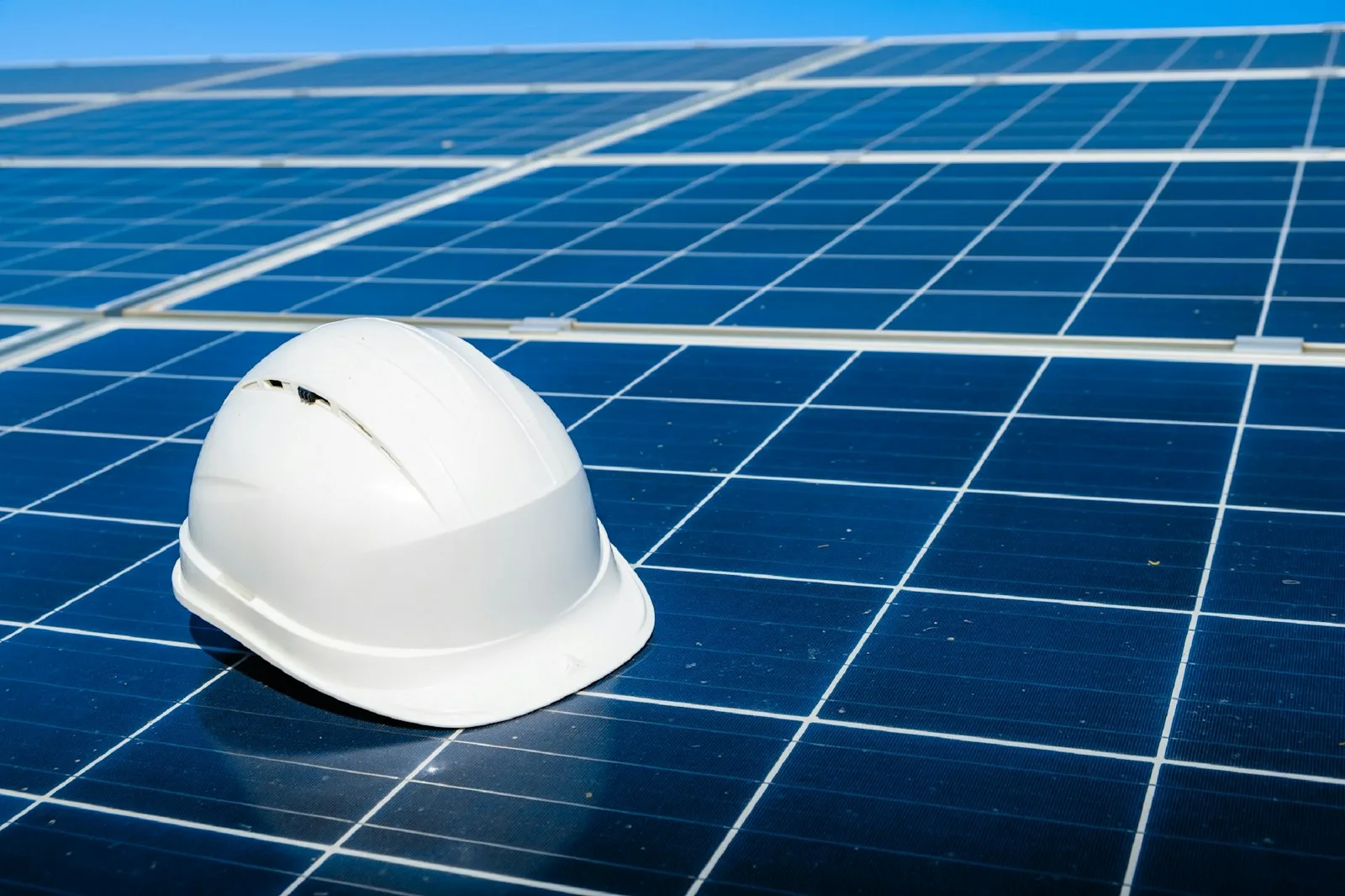
Head ProtectionPPE-HD-108
Replacement and comfort accessories for slotted safety helmets used in hot climates.
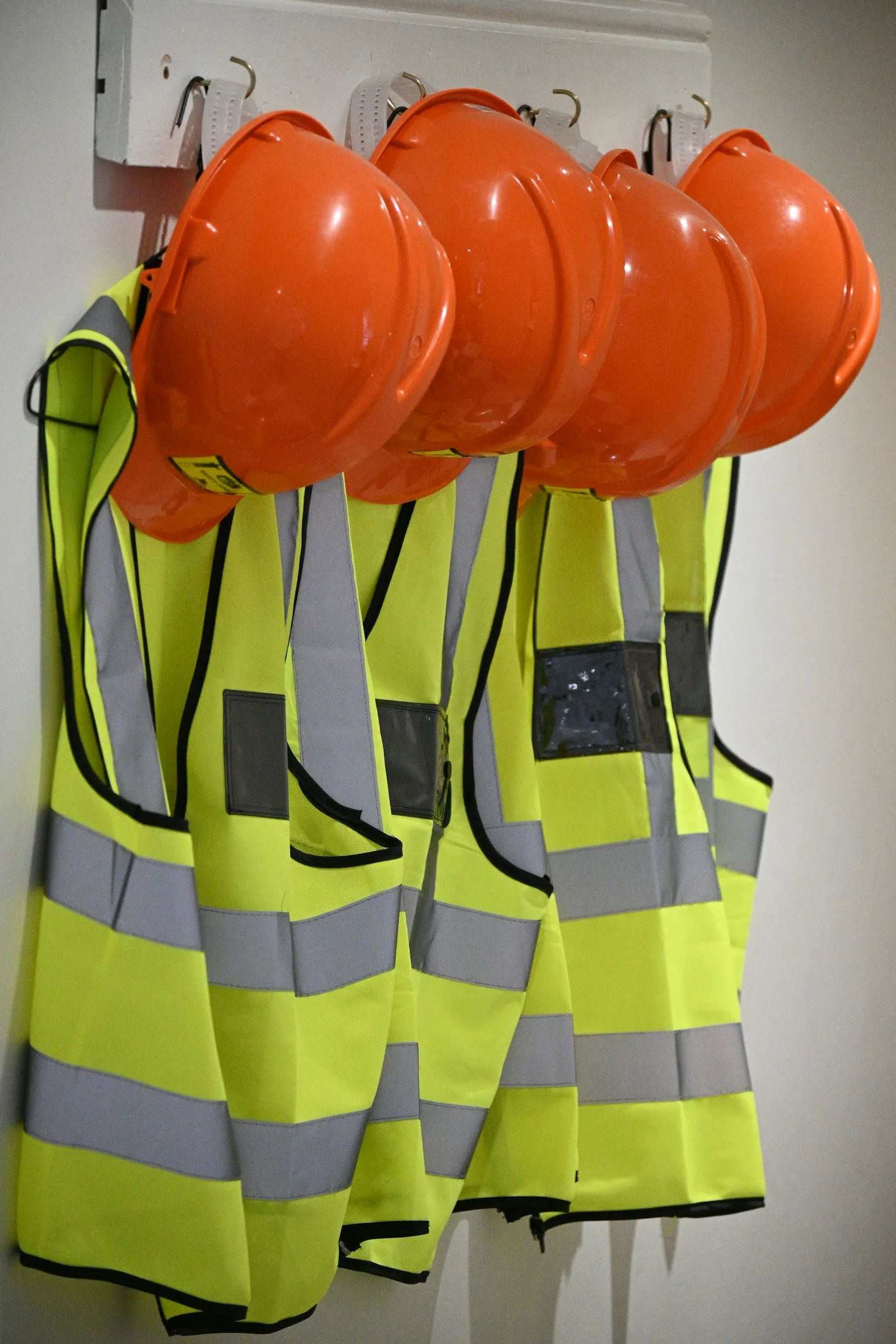
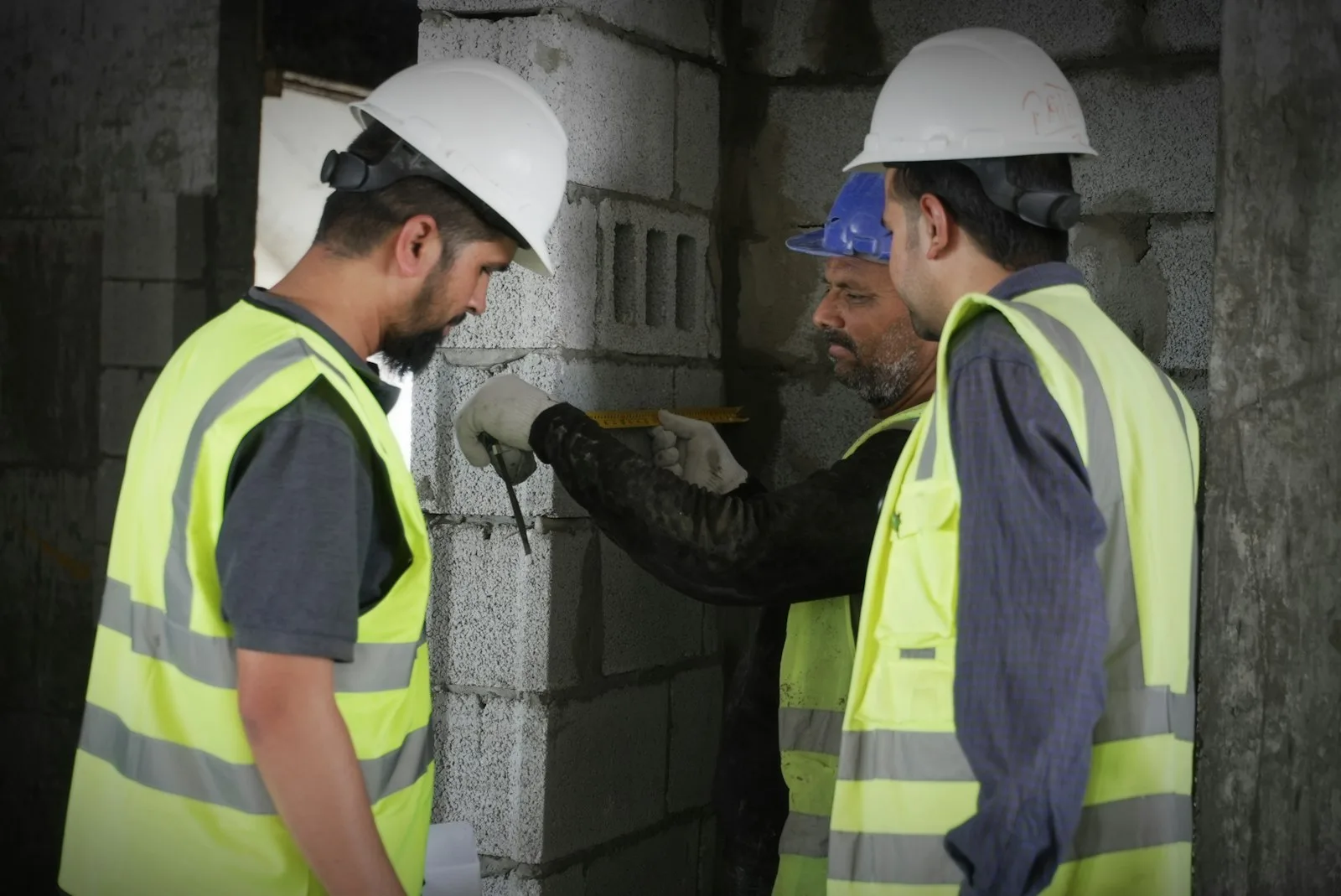
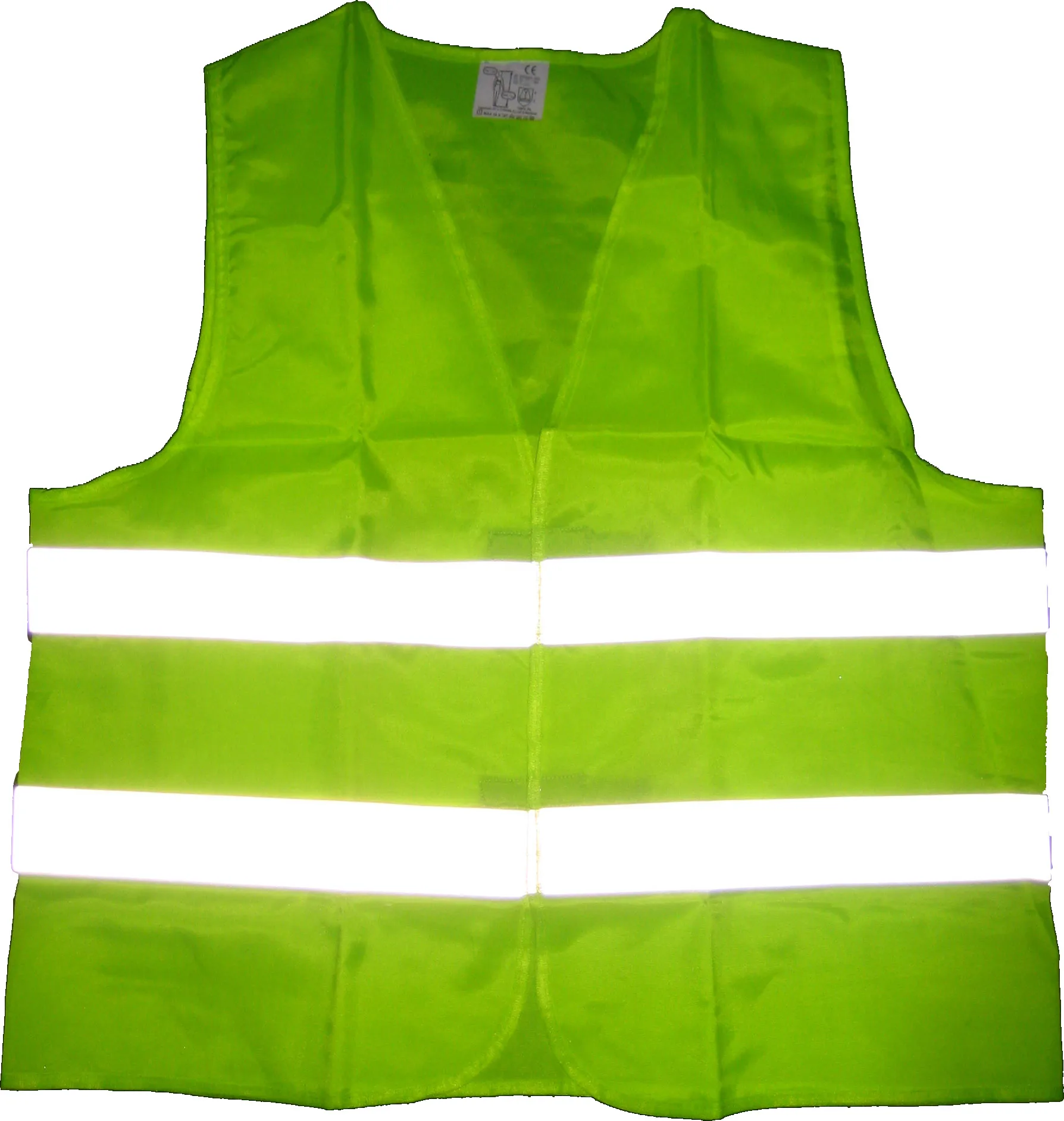
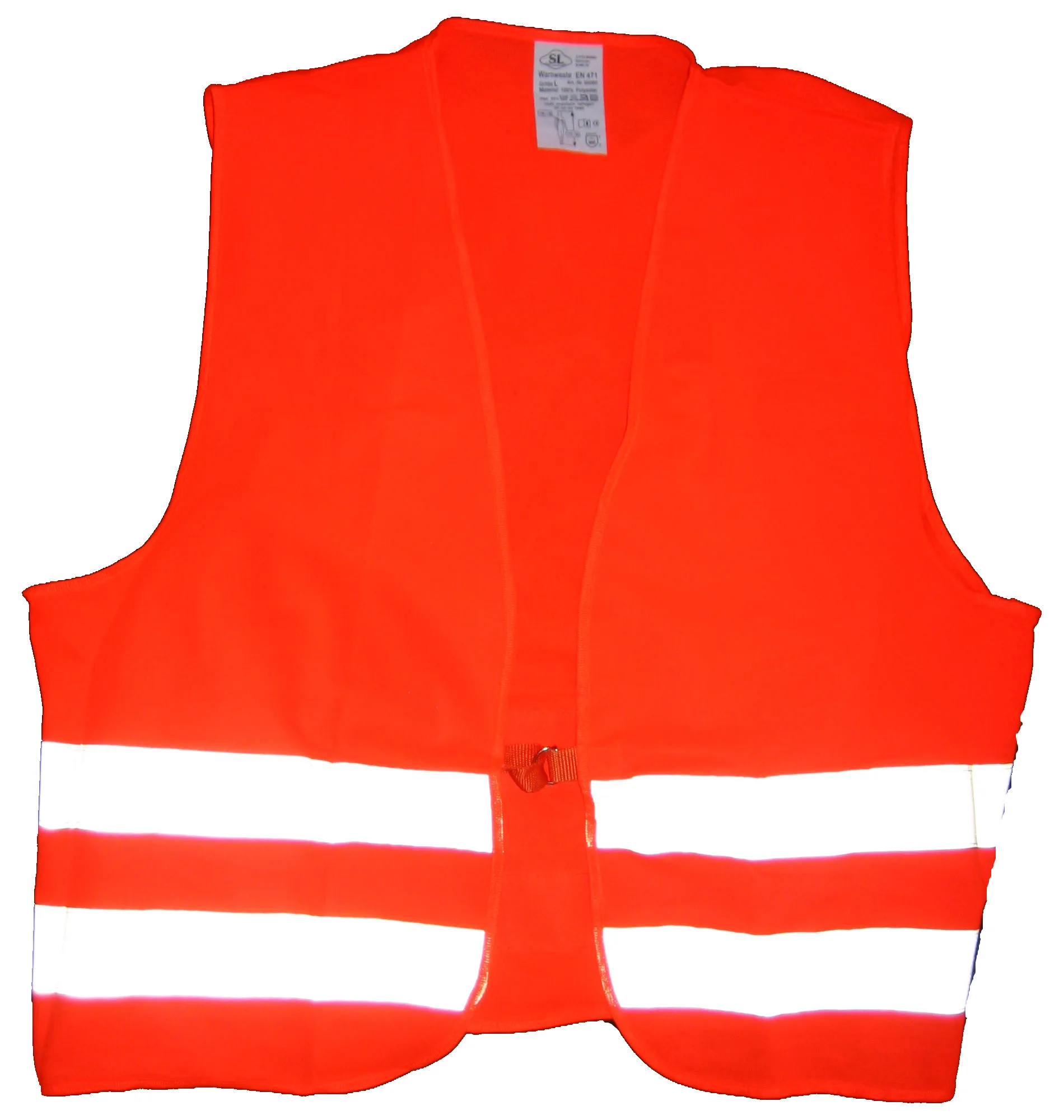
High-Visibility ClothingPPE-CL-706
EN ISO 20471 · ANSI/ISEA 107 Type

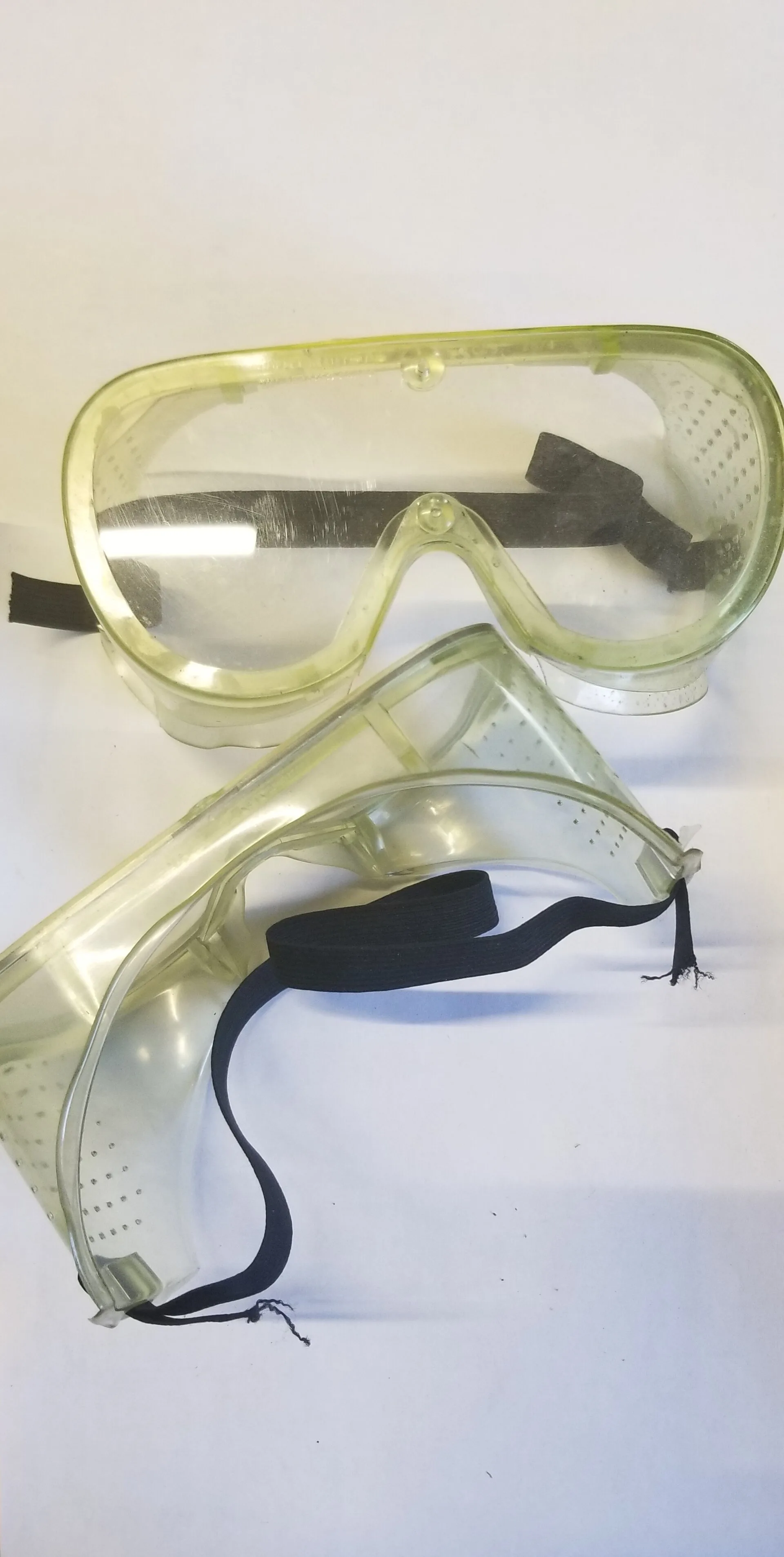
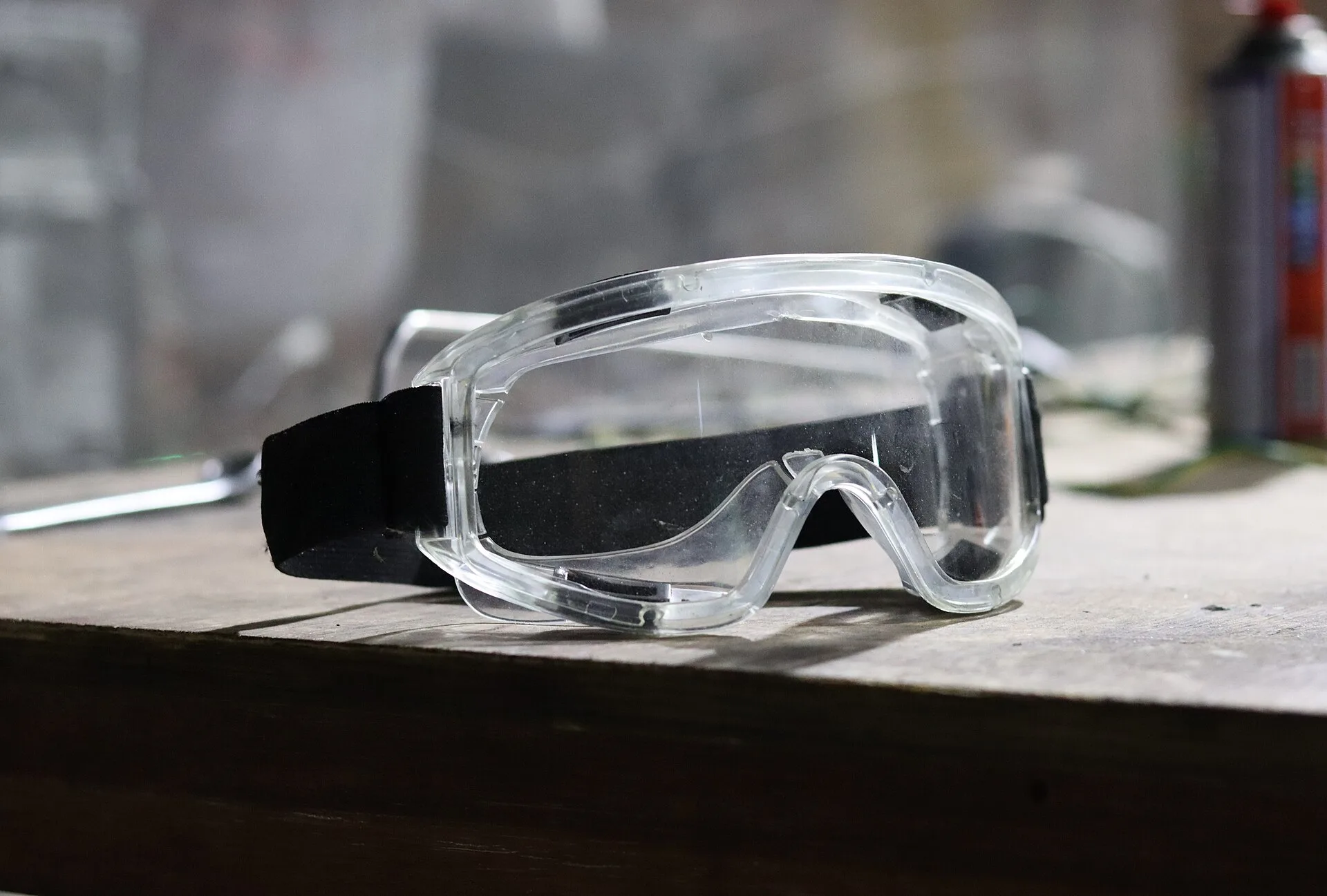
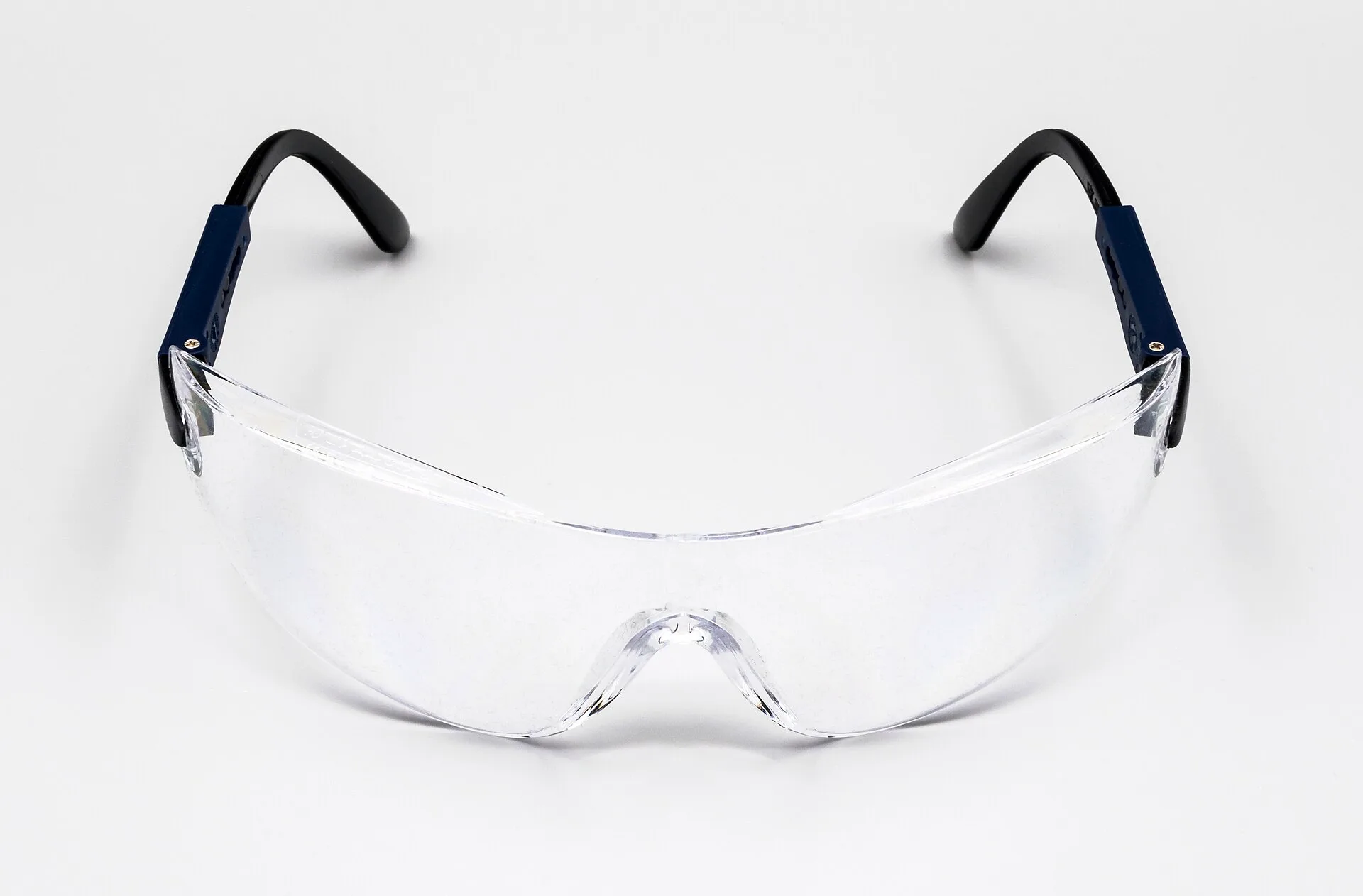
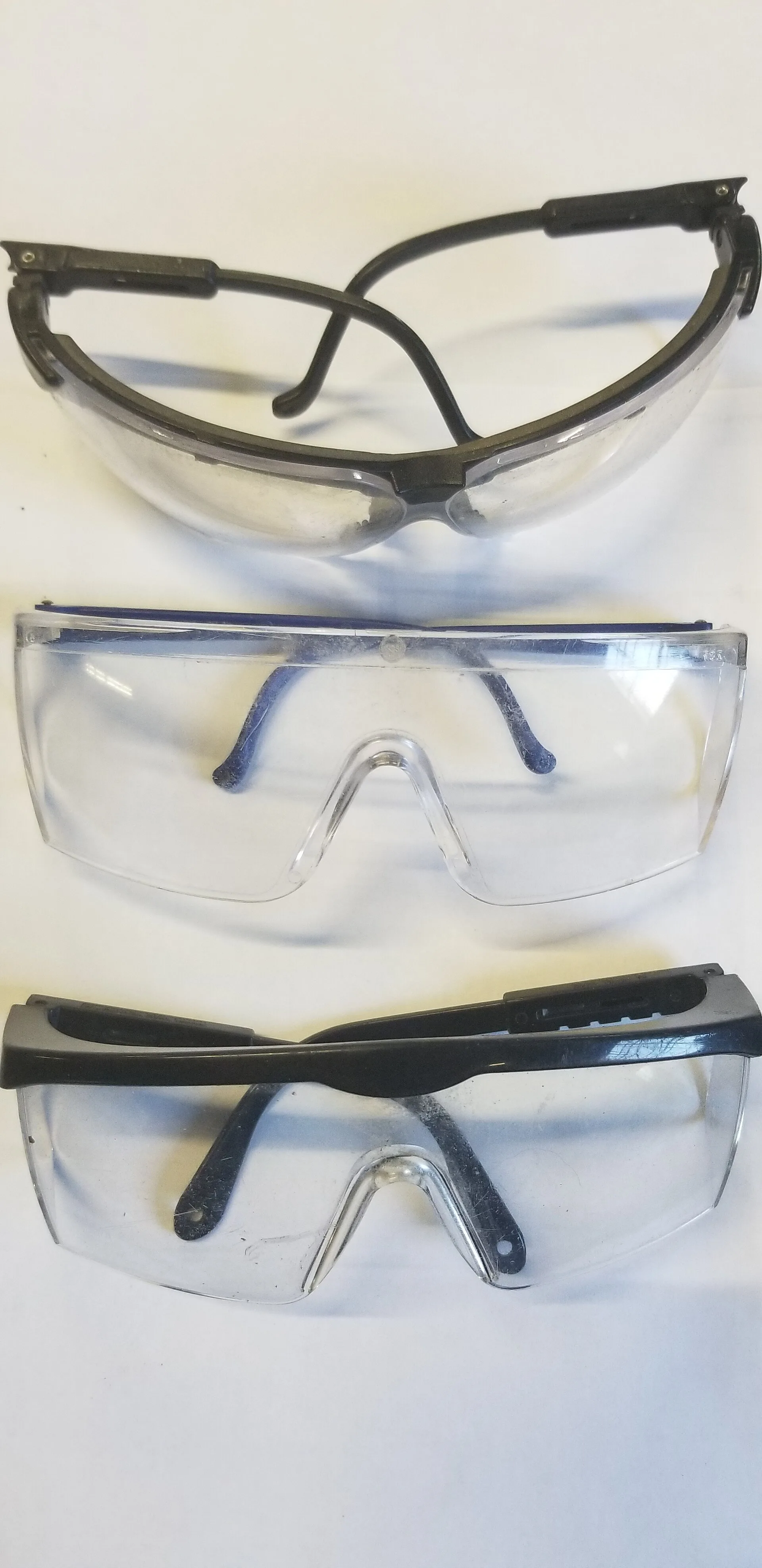
Eye & Face ProtectionPPE-EY-208
Dispenser station with anti-fog cleaning fluid and silicone-free tissues for site eyewear.
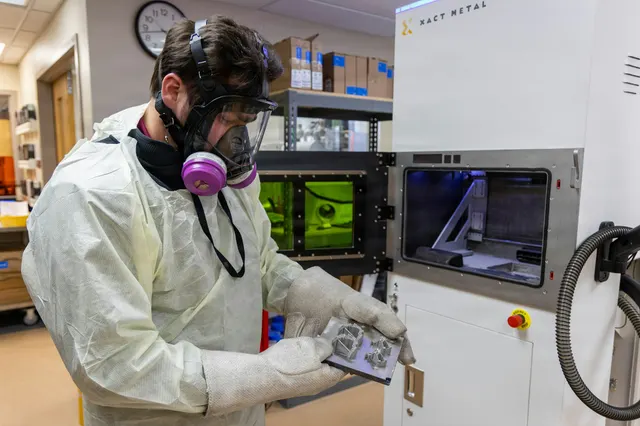
Provide a full size range, including smaller sizes, and train users on correct fitting, inspection and storage. Tight-fitting respirators need a fit test for each wearer.
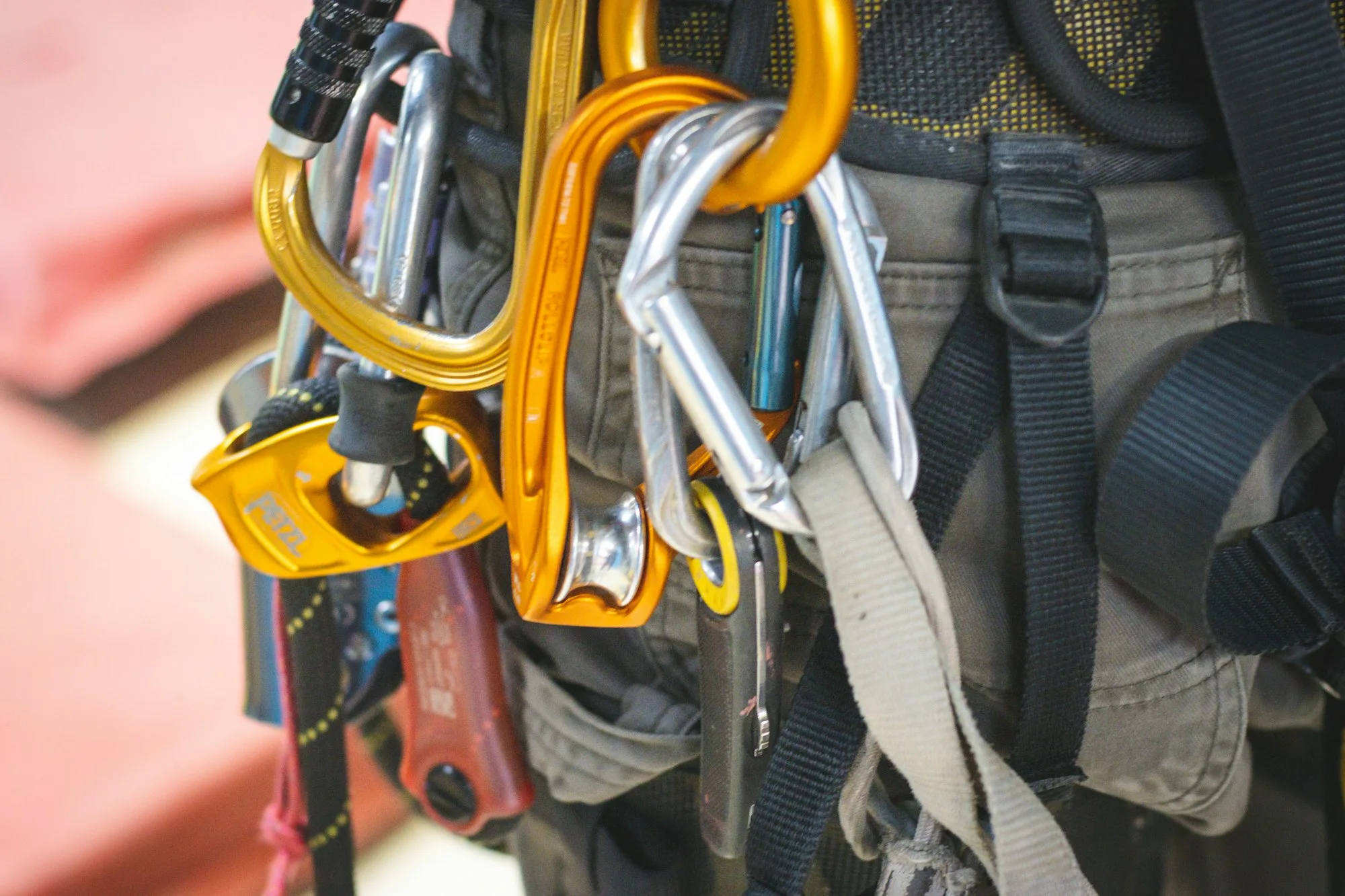
Set inspection and replacement intervals based on manufacturer instructions and conditions of use, and record them for items such as harnesses, SCBA and insulating gloves.